
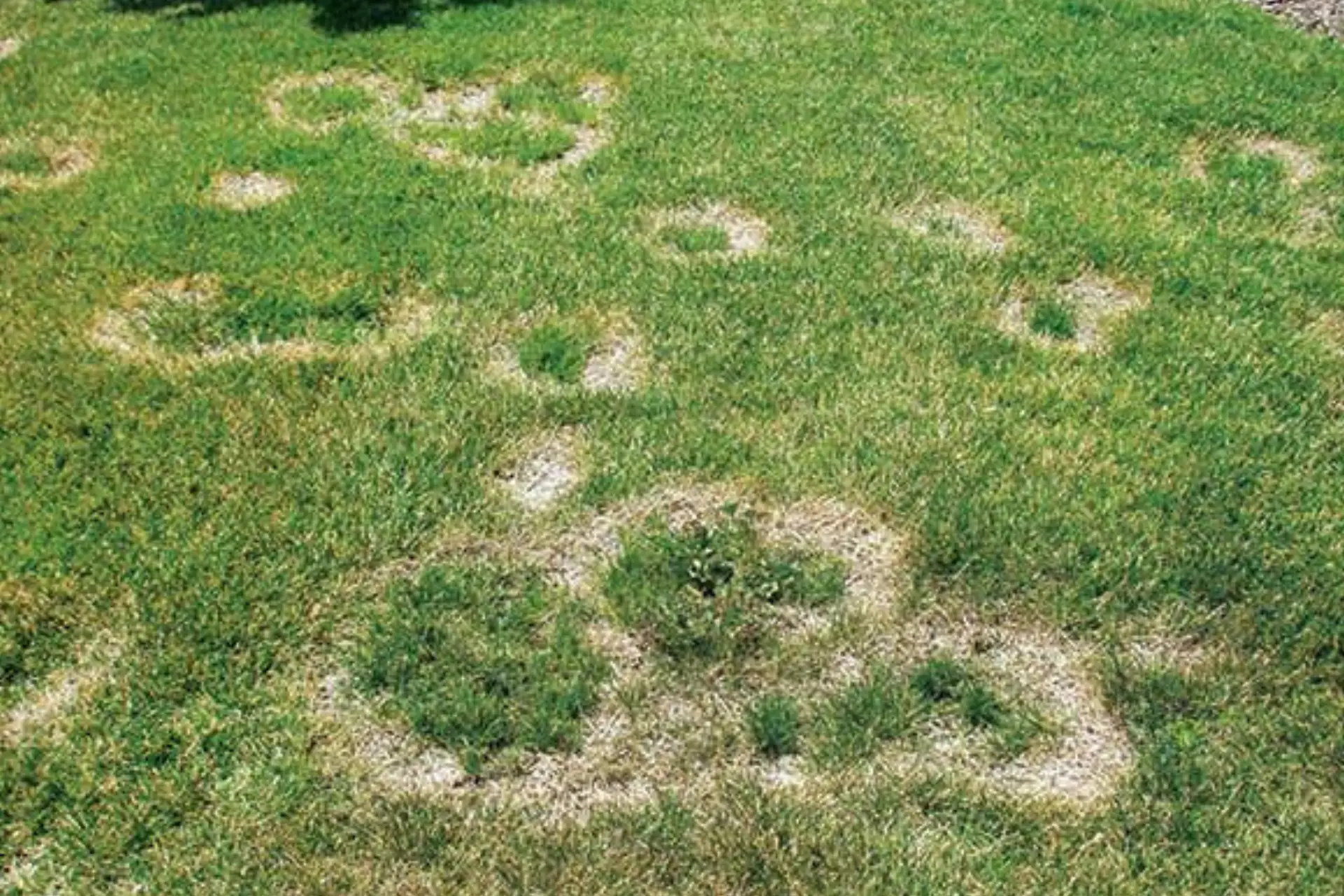
Short Answer: A browning Lincoln lawn in July is almost always one of three things, and the right response is completely different for each. Heat dormancy is the cool-season grass protecting itself by going to sleep. The crowns stay alive, the lawn feels firm underfoot, and the color is a uniform straw tan. Drought stress is the lawn actively dying because shallow roots cannot reach water. The grass feels crunchy and footprints stay visible. Disease is a localized pattern with circular shapes, defined edges, or dew-time mycelium. Diagnose first. Heat dormancy needs patience and minimal water. Drought needs a deep watering reset. Disease needs targeted treatment. Treating the wrong cause wastes money and often makes the lawn worse.
Every July we walk Lincoln area properties where the homeowner is convinced something is wrong with the lawn. The grass that looked great Memorial Day weekend has gone from green to tan over a stretch of hot dry weather. The instinct is to act fast. Pour on more water. Apply a fungicide. Reach for whatever the garden center clerk suggests.
Most of the time, the right answer is to slow down and look at the lawn first. After eighteen years working cool-season turf across Lincoln, Crete, Seward, Beatrice, and the rest of Lancaster County, we can tell you the cause of summer browning is almost always one of three things. Each one looks similar at a glance. Each one needs a different response. Treating the wrong cause is how a recoverable lawn becomes a renovation project.
This post is the diagnostic walk we do on a property in mid July. We are going to show you what we look at, what each clue means, and what the right response is for each cause. By the end of this article you should be able to tell which of the three is happening on your lawn.
Cause One: Heat Dormancy
Heat dormancy is the most common cause of July browning in Lincoln and the one homeowners most often mistake for a problem. Kentucky bluegrass, tall fescue, and perennial ryegrass evolved for cool wet climates. When soil temperatures climb above 80 degrees and air temperatures sit in the upper 90s for stretches, the grass shuts down photosynthesis to conserve resources. The crowns stay alive underground. The leaf blades go tan. The lawn looks dead and is not.
This is a survival mechanism, not a failure. A healthy cool-season lawn can stay dormant for four to six weeks and bounce back when temperatures and moisture return. Kentucky bluegrass is particularly good at this. Tall fescue resists dormancy longer because of its deeper root system but eventually does the same thing under enough heat.
How to recognize heat dormancy
The color is uniform across the lawn rather than patchy. Tan or straw colored across the unshaded portions. Shaded areas often stay greener because they did not hit the soil temperature threshold. The transition from green to tan happened over five to ten days, not overnight.
Pull on a handful of grass blades. Dormant grass holds firm in the soil. The crowns at the base of the blades are still cream colored and pliable, not brown and brittle. The soil under the lawn still has some moisture if you dig a small core.
The lawn feels firm underfoot. Walking across it does not feel crunchy. Footprints disappear when you step off the area.
The right response to heat dormancy
Patience. The lawn does not need a rescue. Apply about a quarter inch of water every two to three weeks just to keep the crowns hydrated. That is it. Heavy watering on a dormant lawn pushes it to break dormancy and then re-enter it, which is more stressful than staying dormant.
Avoid fertilizer. Avoid herbicides except for spot treatment of obvious aggressive weeds. Mow less often and only when the lawn actually grows. When the weather breaks and we get a stretch of cooler nights and rain, the lawn will green up within two weeks. Most years that happens in early to mid September.
The homeowner mistake here is panic watering. Dumping daily inches of water on a dormant lawn does not bring back the green any faster and can actually cause root rot in the crowns. Trust the biology. The grass knows what it is doing.
Cause Two: Drought Stress
Drought stress is the lawn actively losing the fight. The roots are too shallow to reach soil moisture. The crowns are starting to dry out. If left unaddressed, drought stress moves into crown death and you lose the affected areas.
Drought stress and heat dormancy look similar from a distance but feel very different up close. The lawn is browning because there is not enough water reaching the parts that matter, not because the grass chose to shut down. The difference is critical because the response is opposite.
How to recognize drought stress
Footprints stay visible for an hour or more after you walk across the lawn. This is the single best test. Healthy or dormant grass springs back. Drought-stressed grass has lost cell turgidity and stays compressed where you stepped.
The blades feel crunchy rather than firm. Run a hand across the surface. Drought-stressed blades break and crumble. Dormant blades bend and stay intact.
A blue-gray cast precedes the browning. Healthy cool-season grass turns blue-gray for a day or two before going tan when it is drought stressed. If you catch this stage, you can still reverse the damage.
The pattern is uneven. South and west facing slopes brown first. Areas near concrete, asphalt, or walls brown faster because of reflected heat. High points in the yard brown before low points. The browning is correlated with sun exposure and irrigation coverage, not uniform across the property.
The screwdriver test. A long flat-blade screwdriver should slide into the soil five to six inches with moderate pressure on a properly watered lawn. On a drought-stressed lawn it stops at one to two inches because the soil is dry and compacted.
The right response to drought stress
A deep watering reset. Run irrigation for one long cycle that delivers a full inch of water across the affected zones. Then switch to two cycles per week, half an inch each, applied between four and eight in the morning. The goal is to recharge the soil profile down to six inches and train roots to follow it.
The lawn will look slightly worse for seven to ten days as it rebuilds root mass. Then it should stabilize and start regaining color. If the lawn is past the point of recovery in certain spots, those areas will not come back and will need to be reseeded in early September. The rest of the lawn will be saved by the reset.
The homeowner mistake here is daily light watering. Fifteen minute cycles every morning train roots to stay at the surface where the water lives. Then when a 100-degree week hits, the surface dries faster than the system can replace it and the lawn collapses. Fix the schedule, not the volume.
Cause Three: Disease
Disease is less common than the first two causes in Lincoln, but it shows up every July and August on irrigated lawns where humidity has been high. The three diseases we see most often are brown patch, dollar spot, and summer patch. Each one has a recognizable pattern that helps you separate it from heat or drought.
How to recognize disease
The shape is the giveaway. Disease creates patterns with defined edges. Circles, rings, irregular blotches with sharp borders. Heat and drought create gradients and tied-to-geography patterns. Disease creates shapes the lawn would not naturally produce.
Brown patch shows as circular tan patches two to three feet across with a slightly darker outer ring. Often appears overnight after a humid night following an evening watering. Most common on tall fescue.
Dollar spot creates silver-dollar sized bleached spots scattered across the lawn. The spots can merge into larger irregular patches. Look closely at the affected blades. Dollar spot causes hourglass-shaped lesions on individual blades with tan centers and dark borders.
Summer patch shows as ring-shaped or frog-eye patterns. A brown ring with greenish or living grass in the center. Common on Kentucky bluegrass. Often appears in the same locations year after year because the pathogen lives in the soil.
The dew test. Walk the lawn at dawn before the dew burns off. Brown patch produces visible white mycelium on the dew-wet blades that looks like cobwebs. The mycelium is gone by 9 in the morning.
The right response to disease
Targeted fungicide and cultural correction. The fungicide stops the active infection. The cultural correction prevents the next round. Cultural corrections include watering in early morning rather than evening, raising the mowing height to improve air movement through the canopy, reducing nitrogen if the lawn was pushed in spring, and removing thatch buildup in fall.
For homeowners, fungicide is available at most garden centers but timing and identification matter. Spraying for the wrong disease wastes the product. We typically recommend a positive ID before treating. If the pattern is ambiguous, send a photo or call us for a walk through.
The homeowner mistake here is preemptive fungicide on lawns that do not have disease. Fungicides applied without a problem do not prevent future disease in any meaningful way and can disrupt the beneficial soil microbiology that resists pathogens naturally.
What If More Than One Cause Is Happening
This is common. A lawn can be partially dormant, partially drought stressed, and have a small brown patch outbreak in one corner. The diagnostic approach is to address them in priority order. Stabilize the drought areas first because those are losing crowns. Treat any active disease second because it spreads. Let the dormant portions stay dormant and recover naturally with the weather change.
When we walk a property with a mixed situation, we usually find that the watering schedule needs adjustment, one or two areas need a targeted fungicide, and the rest of the lawn just needs to be left alone. The lawn fixes itself once the underlying issues are addressed.
The Lincoln Climate Context That Drives All Three
Lincoln summers are not gentle on cool-season grass. Daytime highs in the upper 90s are routine. Five to ten day stretches above 100 happen most summers. Humidity climbs after summer thunderstorms and creates the conditions disease needs. The 24-hour temperature swing is small in July, which means soil temperatures stay elevated overnight rather than recovering. All three of these factors push the grass toward the failure modes described above.
Knowing the climate is the reason we built our service program around a June setup that prepares the lawn for July rather than around aggressive July intervention. The lawn that goes into July properly mowed, properly watered, and properly fertilized handles the heat better. The lawn that hits July with shallow roots and a soft canopy from heavy spring nitrogen has a much harder time.
Tools You Need for the Diagnostic Walk
A long flat-blade screwdriver. A small hand trowel for soil cores. A flashlight if you want to check the lawn at dawn for disease mycelium. A camera or phone to document patterns from above so you can see the shape clearly. That is it. Diagnosis does not require lab work for the patterns you will see on Lincoln area lawns.
Frequently Asked Questions
How long can my lawn stay dormant before I should worry?
A healthy Kentucky bluegrass or tall fescue lawn can stay dormant for four to six weeks without losing crowns if you keep the soil from drying out completely. Light watering of a quarter inch every two to three weeks is enough to maintain crown viability. Beyond six weeks of true drought conditions, crown survival starts to decline and you may see thin spots when the lawn greens up in fall.
Should I keep mowing a dormant lawn?
Mow only when the lawn grows. A dormant lawn is not adding height. Skipping the mow is appropriate. If you do mow, raise the deck to the upper end of the range and skip any low spots that are particularly stressed. A dull blade tears dormant grass worse than active grass, so sharpen before you cut.
Can I tell the difference between dormancy and dead grass?
Yes. Dig up a small plug from a brown area. Examine the crown at the base of the blades. A dormant crown is cream colored and slightly pliable when you squeeze it. A dead crown is dark brown, brittle, and dry. You can also do the pull test. Dormant blades hold firm in the soil. Dead blades pull out with a gentle tug.
Will fertilizer help a browned out lawn?
No. Fertilizer on a heat-dormant lawn forces it to break dormancy when it should be resting and stresses the crowns. Fertilizer on a drought-stressed lawn pushes growth that the limited water cannot support. The right move in July is to hold off on nitrogen and wait until early September when the weather breaks. That fall fertilization is much more valuable than any July application.
How fast can I expect recovery once I diagnose correctly?
Drought-stressed lawns that get the watering reset typically stabilize in seven to ten days and start regaining color in three to four weeks. Heat-dormant lawns green up within two weeks of the first cool wet stretch in late August or early September. Disease-affected areas take three to six weeks to fill in after treatment, and severely damaged spots may need fall overseeding.
The Cost of Treating the Wrong Cause
This is the reason we wrote this post. Homeowners who guess wrong on the cause spend money and make the lawn worse. The most common bad guesses we see. Treating heat dormancy with daily heavy watering, which causes crown rot and gets paired with disease. Treating drought stress with fungicide, which does nothing because there is no disease. Treating disease with more fertilizer, which feeds the pathogen and accelerates spread. Each one is a 50 to 300 dollar mistake that pushes the lawn further from recovery.
Five minutes of diagnostic walking saves all of that. Look at the pattern. Check the texture of the blades. Pull a plug. Run the screwdriver test. The lawn will tell you which of the three is happening if you ask the right questions.
When to Call Us
For most homeowners the three-cause framework above is enough to get to the right answer. There are situations where a professional walk is worth the time. When more than one cause is active and the response priority is unclear. When the pattern is ambiguous and could be early disease or could be irrigation coverage. When a previous treatment was applied and you cannot tell if it worked or made things worse. When the lawn has compounded issues from multiple years of incorrect summer management.
A diagnostic walk takes us 30 to 45 minutes and gets you a clear plan with no upsell pressure. We will tell you exactly what is happening on your property and what to do next, whether you hire us for the work or do it yourself.
What to Do Next
If your Lincoln area lawn is browning and you want help diagnosing which of the three causes is at play, call us at 402-588-4222 or visit yardbosslawns.com. We serve Lincoln, Crete, Seward, Beatrice, Wahoo, and the surrounding Lancaster County communities. We are an eighteen-plus year family business and we walk every property the same way the owner walks his own. Straight diagnosis, clear options, honest pricing.