
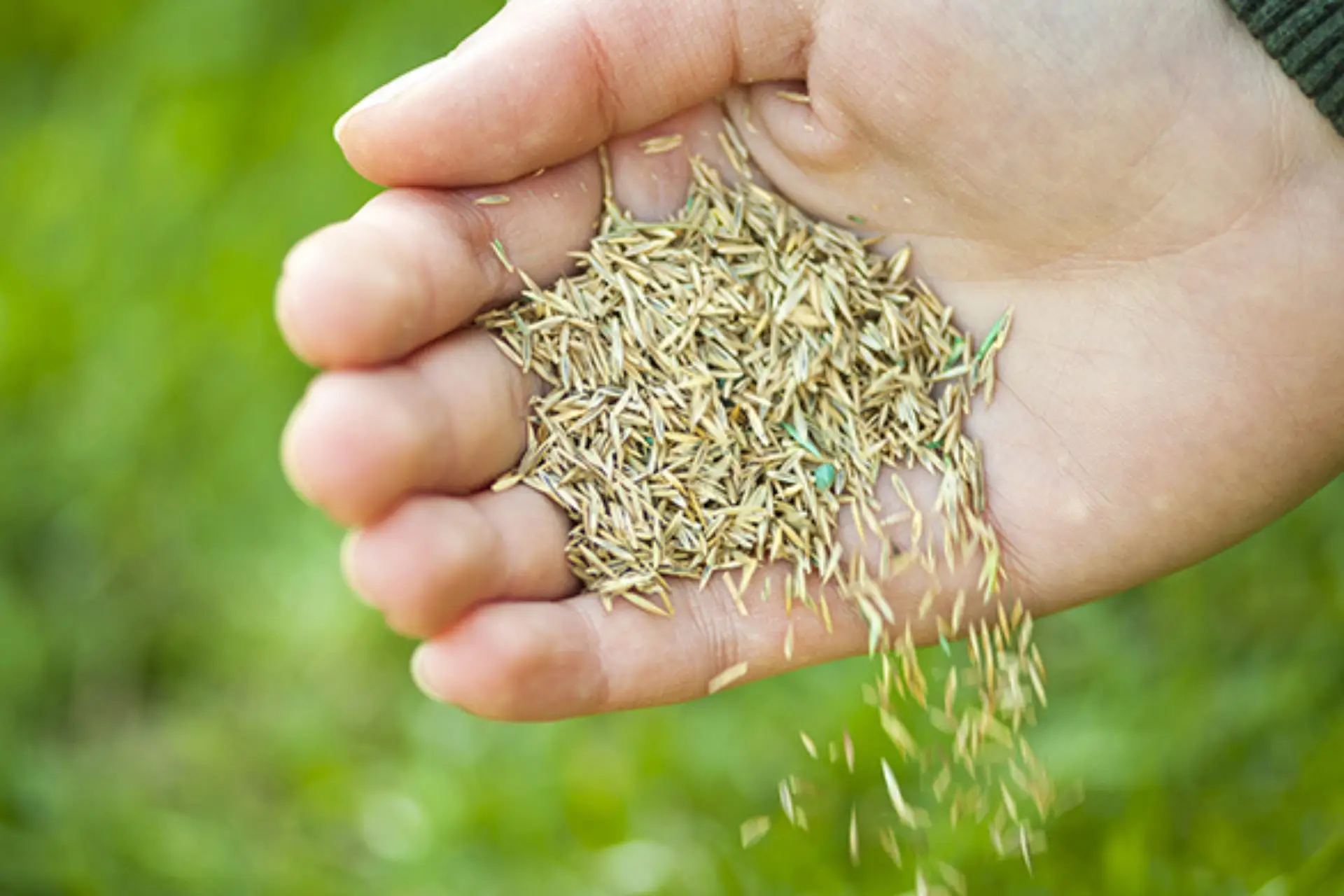
Short Answer: The lawn you have in July tells you everything you need to know about whether September aeration and overseeding will work. The audit takes 20 minutes and decides whether your lawn is a candidate for a basic core aeration, a full aeration plus overseed, or a slit-seed renovation. The booking decision also matters. Crews fill September calendars by early August in Lincoln. Homeowners who wait until Labor Day to call typically get pushed into mid October, which is past the ideal seed germination window for cool-season grass in Nebraska. July is the right month to walk the lawn, decide the scope, and lock in a date. Spend 20 minutes now and your September service produces real results instead of disappointing ones.
September is the most productive month of the year for cool-season lawn improvement in Lincoln. Soil temperatures drop into the ideal germination range. Cool nights and warm days favor root development. Weed pressure is lower than spring. The lawn is biologically primed to accept new seed and rebuild density that summer cost it.
The catch is that September outcomes are decided in July. The audit you do now determines what service makes sense, what you should expect for results, and whether the timing window is feasible at all. We have walked enough Lincoln area properties through the September window to know that the lawns that produce real fall improvement are almost always the ones whose owners started planning in mid summer.
This post walks through the audit we do on a July property visit to scope fall services, the booking realities that affect timing, and the realistic results to expect from each tier of service. By the end you should know what your lawn needs and when to call.
Why September Beats Every Other Month for Lincoln Renovation
Cool-season grass has two productive growth windows each year in Nebraska. Spring runs from late April through early June. Fall runs from early September through mid October. The fall window is meaningfully better than the spring window for several reasons.
Soil temperatures are dropping rather than rising. Seedlings established in fall have six to eight weeks of friendly weather to establish roots before winter dormancy. Spring seedings face the opposite. They emerge into rising temperatures and get hit by summer heat before they are established. Mortality rates on spring seedings are dramatically higher than on fall seedings.
Weed pressure is lower in fall. Crabgrass and most annual broadleaf weeds are finished germinating by September. Spring seedlings compete with peak weed germination. Fall seedlings get a clear runway.
Rainfall patterns help. September in Lincoln averages cooler nights and steadier rain than late summer. Soil moisture stays in the seedling root zone longer.
For all these reasons, our recommendation across nearly every cool-season property we walk is to do meaningful renovation work in fall, not spring. Spring lawn improvement is largely about feeding and weed control. Fall is when actual density gets rebuilt.
The July Audit: What We Look At
The audit is the same regardless of whether you do it yourself or have us walk the property. We are looking at five things, and the answers determine what service makes sense.
Density
Look down at the lawn from standing height. What percentage of the soil can you see between blades? A healthy mature stand shows almost no bare soil. An average stand shows 5 to 15 percent visibility through the canopy. A thin stand shows 25 to 50 percent. Bare ground over 50 percent is renovation territory.
The math matters. A lawn at 80 percent density can usually rebuild to 95 percent with a single fall aeration plus overseed. A lawn at 50 percent density needs slit seeding to produce real improvement. A lawn at 30 percent density is a full renovation candidate and probably needs two seasons of work.
Compaction
Use the screwdriver test. A long flat blade should slide into the soil five to six inches with moderate pressure. If it stops at three inches, the soil is compacted. If it stops at one to two inches, the soil is severely compacted and aeration alone may not be enough.
Lincoln soils are typically alkaline silty clay or clay loam. Both compact quickly under foot traffic, equipment, and pets. Most lawns we walk are at least mildly compacted. Many are heavily compacted in high-traffic zones like paths to and from the gate, around the patio, and where the dog runs.
Weed Pressure
Count the weed types and the percent coverage. A few clover and dandelions are normal. Crabgrass patches that show up consistently in the same spots every year tell you the soil is bare enough between blades for crabgrass seed to germinate. Foxtail and yellow nutsedge tell you the soil stays wet too long. Quackgrass tells you the lawn was previously disturbed.
High weed pressure means the post-seeding weed program in fall needs to be more aggressive. It also means the existing turf is thin enough that weeds got established. Both factors push the recommendation toward slit seeding rather than basic overseed.
Bare Areas and Damage
Walk the property and note specific bare or damaged areas. Sun-burned patches on south-facing slopes. Shade-thin areas under mature trees. Dog spots. Equipment damage. Disease damage from June. Each of these needs a specific approach in fall renovation.
Bare areas under five percent of the total lawn can be handled with spot seeding. Bare areas of 5 to 15 percent need overseed across the whole lawn so the new growth blends in. Bare areas over 15 percent often need slit seeding or even small sections of sod.
Thatch
Cut a small wedge of turf out of the lawn with a knife or trowel. Look at the layer between the green blades and the soil. That brown spongy mat is thatch. A quarter inch is normal. A half inch is the upper limit of healthy. Anything over three quarters of an inch interferes with water and nutrient penetration and needs to be addressed.
Heavy thatch usually means the lawn has been over-fertilized, mowed too short, or mowed without returning clippings. The fall service for heavy thatch is core aeration to break up the layer or, in severe cases, a dethatching pass before overseeding.
Three Tiers of Fall Service and What Each Costs
The audit results map to one of three service tiers. Each has different cost and different expected results.
Tier One: Core Aeration Only
For lawns at 85 percent or better density with mild to moderate compaction. The service pulls plugs of soil and lets the holes act as channels for water, air, and nutrients to reach the root zone. The plugs break down on the surface over two to three weeks and contribute to soil building.
Cost in the Lincoln market: 90 to 200 dollars depending on lot size. A typical 8,000 square foot lawn runs about 120 to 160 dollars.
Expected result: improved root depth, better water infiltration, and modest density gains over the following spring. No new seed means no new grass, so the improvement is about quality rather than coverage.
Tier Two: Core Aeration Plus Overseed
For lawns at 60 to 85 percent density with the right base of healthy existing turf to seed into. The service does the same core aeration and follows with a spread of high-quality seed. Most seed falls into the aeration holes which produces excellent germination conditions.
Cost in the Lincoln market: 250 to 600 dollars depending on lot size and seed selection. A typical 8,000 square foot lawn runs 350 to 500 dollars.
Expected result: meaningful density improvement visible by mid October. A lawn at 70 percent density typically rebuilds to 85 to 90 percent through fall and another 5 percent the following spring as new seedlings mature.
Tier Three: Slit Seeding or Full Renovation
For lawns under 60 percent density or with severe compaction, thatch, or weed contamination. Slit seeding uses a machine that cuts grooves into the soil and drops seed directly into them. Seed-to-soil contact is far better than overseeding can produce on a thin lawn.
Cost in the Lincoln market: 600 to 1,800 dollars depending on lot size, prep needed, and severity of starting condition. A typical 8,000 square foot lawn runs 800 to 1,200 dollars.
Expected result: dramatic improvement, but the lawn often needs a second pass the following fall to fully rebuild to a thick uniform stand. Year one focuses on establishing density. Year two refines uniformity.
The Booking Reality That Catches Most Homeowners
Crews fill September calendars by early August. This is the single most overlooked piece of the planning equation. Homeowners who decide in late August that they want fall aeration often get pushed into mid October or later. By that point, soil temperatures in Lincoln have dropped below the optimal germination range and overseed results suffer.
The ideal aeration and overseed window in Lincoln runs from the last week of August through the third week of September. Late September seedings still germinate but have less time to establish before winter. Early October seedings sometimes work in warm years but are a gamble.
The lesson is simple. Walk the lawn in July. Decide what service makes sense. Book the date in July or early August. Then the September service produces the result you expected.
Seed Selection Matters More Than Most Homeowners Realize
The seed you put down decides what the lawn looks like in five years. Cheap big box seed mixes often contain annual ryegrass that germinates fast and dies after the first year. The lawn looks good in October and then has bare spots again the next spring.
Quality cool-season seed for Lincoln is a mix of improved Kentucky bluegrass cultivars, turf-type tall fescue, and a small percentage of perennial ryegrass for fast establishment. Look for blends certified by the National Turfgrass Evaluation Program with cultivars rated for the transition zone or upper Midwest. Cost difference at retail is typically 30 to 60 dollars per bag, but the difference in five-year results is substantial.
Tall fescue blends are increasingly popular in Lincoln because of their deeper rooting and better summer heat tolerance. Kentucky bluegrass remains the gold standard for visual quality and the ability to fill in damage through rhizomes. Many of the lawns we maintain are mixed stands of both, which balances the strengths.
Post-Seeding Care That Decides Whether It Takes
Aeration and overseed alone do not produce results. The two weeks after seeding are critical for establishment.
Watering is the biggest variable. New seed needs the top half inch of soil to stay consistently moist. That means light watering two to three times per day for the first 10 to 14 days, then transitioning back to the standard deep infrequent schedule once seedlings are established. Skipping this step kills most of the new seed.
Mowing changes. Wait until the new grass reaches three and a half inches before mowing. Then mow at the top of the height range for the first three cuts to avoid stressing seedlings.
Fertilizer helps. A starter fertilizer with higher phosphorus at seeding boosts root development. A follow-up fall feeding in mid October pushes another round of growth before dormancy.
Avoid herbicides. Most pre-emergents and broadleaf weed killers damage new seedlings. The post-seeding weed program waits until the new grass has been mowed two to three times.
What This Compound Effort Produces Over Three Years
For homeowners who commit to fall renovation as an annual or biennial program, the multi-year arc is dramatic. Year one rebuilds density in the most damaged areas. Year two refines uniformity and starts producing the thick mat that resists weeds and disease. Year three is when most Lincoln lawns we maintain reach the condition that gets neighbors asking what changed.
The compounding works because each year’s improvement reduces the pressure on the next year’s program. Dense lawns resist weeds, retain moisture, and recover from summer stress faster. The annual cost actually decreases after the initial renovation because the lawn requires less rescue work.
Frequently Asked Questions
Can I aerate and overseed myself?
Yes, with caveats. Rental aerators from home centers cost 70 to 110 dollars per day and work fine for lots under 10,000 square feet. The work is physical. Plan on three to four hours for a typical residential lawn. Quality seed and a hand spreader add another 80 to 150 dollars. For homeowners willing to do the work, the DIY route is reasonable. For larger lots or homeowners short on time, professional service is usually a better value once equipment rental and time are accounted for.
How long after aeration should I wait to mow?
If you did not overseed, mow as needed within two days. The cores will be visible on the surface for two to three weeks but the lawn underneath is fine to cut. If you overseeded, wait until the new seedlings reach three and a half inches before mowing.
Does aeration help with weed control?
Indirectly. Aeration itself does not kill weeds. But thicker turf that follows aeration plus overseed shades out weed seeds and prevents future germination. The long-term weed reduction from a good fall renovation program is substantial.
What if I cannot afford the full renovation right now?
A basic core aeration is much better than nothing and is the most affordable tier. Even at 120 to 160 dollars, the soil improvement pays back. For homeowners on a tight budget, alternate years of basic aeration with a year of aeration plus overseed produces strong results over a three to five year window.
Can I overseed without aerating?
You can broadcast seed onto a healthy lawn and get some germination, but seed-to-soil contact is poor and most of the seed never establishes. Aeration or slit seeding produces dramatically better results because the seed actually reaches the soil. Broadcast-only seeding is usually a waste of seed cost.
Booking Now Versus Later
For homeowners who want fall service this year, the practical sequence. Walk the lawn this week using the audit framework above. Decide which of the three tiers makes sense. Get on a crew’s schedule by early August. Order quality seed if doing it yourself or confirm seed selection with your provider. Plan to have your watering system functional through mid October.
Homeowners who follow that sequence get the result they expected. Homeowners who push it to Labor Day get the result that fits the calendar window left, which is rarely what they hoped for.
What to Do Next
If you want help auditing your Lincoln area lawn for fall renovation, call us at 402-588-4222 or visit yardbosslawns.com. We serve Lincoln, Crete, Seward, Beatrice, Wahoo, and the surrounding Lancaster County communities. We will walk the property, give you a straight read on which tier of service makes sense, and book a date that hits the right window. Eighteen-plus years working cool-season lawns in this market and we know exactly what September can and cannot produce.