
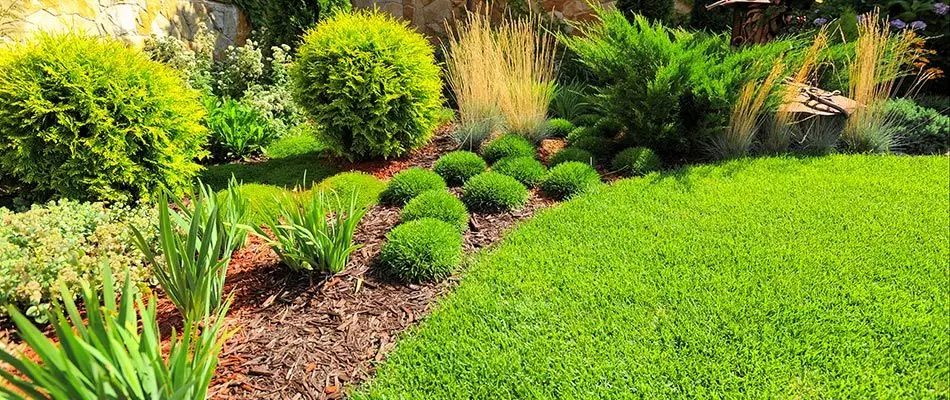
Short Answer: Lincoln area homeowners have two legitimate July watering strategies and the right one depends on the homeowner, not the lawn. Push through means watering enough to keep the lawn actively growing through the heat. Cost is 50 to 150 dollars per month in water bills plus disease risk. Outcome is a lawn that stays green and recovers cleanly in fall. Let it sleep means watering just enough to keep the crowns alive while the lawn goes dormant. Cost is 10 to 30 dollars per month in water and a tan looking lawn for six to eight weeks. Outcome is a lawn that greens up in September with similar density to a push-through lawn. Both work. Pick the one that fits your priorities and stick with it. The mistake is flipping back and forth, which produces worse results than either pure strategy.
Every July we get the same question from Lincoln area homeowners. Should I keep watering hard to hold the green, or should I let the lawn brown out and rest? The right answer depends on what the homeowner cares about, what the water bill tolerates, and how the property will be used through August.
The frustrating part of most advice you read online is that it picks a side without acknowledging the tradeoffs. Push-through guides ignore the water bills and disease pressure. Let-it-sleep guides ignore the social and resale value of a green lawn through summer. We are going to walk through both honestly, including the math on cost and the realistic outcomes you can expect from each. Then we will tell you how to choose and how to execute whichever one you pick.
Eighteen plus years of working cool-season lawns in Lincoln, Crete, Seward, Beatrice, Wahoo, and the rest of Lancaster County has taught us that both strategies produce healthy fall lawns when executed correctly. The failure mode is mixing them, which is what most homeowners do without realizing it.
Strategy One: Push Through
Push through means watering at a level that keeps the lawn actively photosynthesizing and growing through July and August. The grass stays green. The blades stay turgid. Mowing continues at a regular cadence. This is the strategy that produces the visual outcome most homeowners hope for through summer.
What push through requires
Two cycles per week minimum, three during the hottest stretches. Each cycle delivers about half an inch of water. Total weekly application of one to one and a half inches including any rainfall. The total volume sounds modest but the run times add up.
For rotary heads delivering about a third of an inch per hour, plan on 90 minutes per zone twice a week, increasing to three times a week when temperatures stay above 95 for multiple days. For spray heads delivering about three quarters of an inch per hour, plan on 40 minutes per zone twice or three times a week. For drip systems on bed perimeters, ignore this strategy. We are talking about turf irrigation only.
Timing matters enormously. Cycles should start between 4 and 6 in the morning and finish by 8. This window lets the soil absorb water before sun exposure and lets the canopy dry by mid morning. Evening watering on a push-through lawn invites brown patch and dollar spot, especially during humid stretches after thunderstorms.
The push-through lawn needs other inputs at proper levels too. A moderate slow-release fertilizer with potassium in early to mid July. Continued mowing at 3.5 to 4 inches with a sharp blade. Spot treatment of any disease as soon as it appears. The lawn is more demanding when it is actively growing.
What push through costs
Water bills are the biggest variable. A typical Lincoln area lawn of 8,000 square feet pushing through summer uses about 5,000 to 6,000 gallons of supplemental water per week during the hottest stretches. At Lincoln water rates that runs roughly 30 to 50 dollars per week or 120 to 200 dollars per month in July and August.
Larger lots scale up. A 15,000 square foot push-through lawn can run 200 to 400 dollars per month in water bills through midsummer. Smaller lots scale down. A 5,000 square foot lawn runs 75 to 130 dollars per month.
Other costs. The fertilizer round runs 40 to 80 dollars in product if doing it yourself. Disease treatments if needed run 50 to 120 dollars per occurrence. Equipment maintenance is higher because mowing continues year round on push-through lawns.
What push through produces
A green lawn through summer. Modest disease risk that you must monitor for. A lawn that goes into fall already healthy and only needs a basic fertilization round to set up winter. Slightly thinner spots in zones where irrigation coverage is marginal. Higher overall water bills.
Most Lincoln area lawns that look great in July and August are following some version of push through. The visual outcome is what attracts homeowners to this strategy.
Strategy Two: Let It Sleep
Let it sleep means allowing the cool-season grass to enter heat dormancy and watering only enough to keep the crowns alive. The blades turn tan. The lawn stops growing. Mowing pauses or happens rarely. The lawn looks dead and is not.
This strategy works because Kentucky bluegrass and tall fescue evolved with the ability to go dormant under heat stress. The crowns at the base of each plant stay alive underground. When cooler wetter weather returns, the lawn regenerates from those crowns and rebuilds within two to three weeks.
What let it sleep requires
One light watering of about a quarter inch every two to three weeks. Just enough to keep the soil at the crown level from drying out completely. That is it. No fertilizer. No heavy intervention. No fungicide because the dormant lawn does not support the diseases that hit active grass.
Light watering means about 15 to 20 minutes per zone every two to three weeks. The point is not to break dormancy. Heavy watering on a dormant lawn forces it to attempt growth, which exhausts crown reserves and makes the next dormancy cycle worse.
Mow only when the lawn actually grows, which is rare during true dormancy. Skip the regular mowing schedule until the lawn breaks dormancy in fall. When you do mow during dormancy, raise the deck and use a sharp blade because dormant tissue tears easily.
The discipline this strategy requires is mental. The lawn looks tan and stressed. Neighbors who push through have green lawns. The instinct to start watering harder is constant. Resisting that instinct is the hardest part of executing this strategy correctly.
What let it sleep costs
Water bills drop dramatically. A typical Lincoln area lawn on the let-it-sleep program uses 500 to 1,000 gallons of supplemental water per month during heat dormancy. At Lincoln water rates that runs 10 to 30 dollars per month in July and August. The savings versus push through are substantial across the season.
Lower fertilizer cost because no summer feeding. Lower maintenance cost because little to no mowing. The lawn requires minimal attention through the dormant window.
The hidden cost is the visual. The lawn looks tan for six to eight weeks. Some HOAs and some neighbors react. Property listing photos during dormancy show poorly. If the lawn faces heavy social or transactional pressure, this strategy may not fit the situation.
What let it sleep produces
A tan lawn from mid July through early September. A rapid green-up in September when temperatures drop and rain returns. Density that matches a push-through lawn after recovery is complete. Lower water and maintenance costs across the summer. Lower disease risk because dormant tissue does not support most pathogens.
Most lawns that go through one true dormancy cycle per summer rebuild fully by mid October. The visual quality through fall and into the following spring is essentially identical to a push-through lawn. The difference is purely in the July and August appearance.
Why Flipping Between Strategies Is the Worst Outcome
The most common mistake we see is mixing the two strategies. Homeowner waters hard for a week, gets the water bill, panics, stops watering for two weeks, sees the lawn browning, starts watering hard again. This pattern produces worse results than either pure strategy.
The biology behind why. The lawn responds to consistent conditions. Push-through watering trains roots toward the surface where water is reliably present. Dormancy lets crowns conserve reserves and rest. Flipping back and forth gives the lawn neither benefit. Roots shallow up during the wet phase, then the dry phase exposes those shallow roots to crown death. The lawn tries to break dormancy during each watering pulse, burning crown reserves without ever establishing active growth.
The result is a thin patchy lawn going into fall, often with bare spots where dormancy went too deep and recovery never completed. The water bill is still significant even though the visual outcome is poor. This is the worst of both worlds.
If you start the season pushing through, commit to it through August. If you let the lawn sleep, commit to that. The decision matters less than the consistency.
How to Choose Between the Two
The right strategy depends on your priorities. The questions worth asking yourself.
How important is the green look through summer? If the lawn is the center of summer entertaining, push through. If you mostly use the yard for kids and dogs and do not care about the visual, let it sleep.
How does the water bill affect your budget? At 120 to 200 dollars per month for an average lot, push through is a meaningful summer expense. If that number is fine, push through is realistic. If it is a strain, let it sleep saves real money.
Is the property on the market or going on the market? Push through if listing photos or showings are happening in summer. The visual difference between a green and a tan lawn is significant for buyer perception.
What is the HOA situation? Some Lincoln area HOAs are flexible. Others have rules requiring visible green. Check before committing to the let-it-sleep strategy.
How disciplined are you about resisting the urge to water? If you know you will start watering once the lawn turns tan, push through from the start. The mixed strategy is worse than either pure approach.
The Hybrid That Actually Works
There is one hybrid we recommend and it works for many homeowners. Push through during typical summer weather. Let the lawn enter dormancy only when a true extreme heat stretch hits and water restrictions or cost pressure make push through impractical for that specific window. When the extreme stretch ends, return to normal push-through watering and let the lawn recover.
The distinction from the bad hybrid is that this version commits to one strategy at a time for periods of at least three to four weeks. The lawn has time to adjust. The crown reserves do not get exhausted by constant flipping.
Most years in Lincoln we get one or two stretches where this hybrid is the right choice. A 10 to 14 day window of 100+ degree highs with no rain in the forecast is a reasonable time to back off and let the lawn coast.
Equipment That Helps Either Strategy
Smart controllers are worth the investment regardless of which strategy you pick. They adjust run times based on weather data and prevent overwatering after rain. Cost runs 200 to 400 dollars for hardware. Payback in saved water is typically two to four seasons.
Rain sensors prevent watering during and after rainfall. Most modern irrigation systems can accept one. Cost runs 30 to 80 dollars. Payback is fast.
Soil moisture sensors for high-value lawns. These read actual soil moisture and only run the irrigation when needed. Cost runs 150 to 400 dollars. Best for push-through lawns where precision watering offsets the higher base water use.
Catch cans for measuring actual sprinkler output. Tuna cans work. Setting six to eight around a zone, running the zone for 15 minutes, and measuring the depth tells you exactly how long the zone needs to deliver a half inch. Cost is essentially free and every irrigated lawn should have this data.
What Happens in September Either Way
Both strategies converge on a similar fall outcome if executed correctly. The push-through lawn enters September already green and only needs the fall fertilization round to set up winter. The let-it-sleep lawn breaks dormancy with the first cool wet stretch and rebuilds visible color within two weeks. By mid October both lawns look similar.
The let-it-sleep lawn often benefits from a more aggressive September renovation because dormant areas can be slit-seeded with less competition from active turf. The push-through lawn typically just needs aeration and modest overseed. Both routes produce healthy fall lawns going into winter.
This is the part that surprises homeowners who have always assumed the let-it-sleep approach damages the lawn. It does not, when done correctly. The biological design of cool-season grass includes the dormancy mechanism specifically because some summers are too hot to push through productively.
Frequently Asked Questions
Will my lawn die if I let it go dormant?
No, as long as you keep the crowns hydrated with light watering every two to three weeks. Kentucky bluegrass and tall fescue tolerate four to six weeks of true dormancy without crown death. Beyond that window, light watering still maintains crown viability for additional weeks. The lawn returns when conditions allow.
How do I know if my lawn is dormant or dead?
Pull on a handful of blades. Dormant grass stays anchored. Dig up a small core. The crown at the base should be cream colored and slightly pliable. Dead crowns are brown, dry, and brittle. Most lawns that look dead in July are dormant. True crown death takes prolonged drought without any supplemental water.
Can I switch strategies mid season?
You can, but commit to the new strategy for at least three to four weeks before evaluating. The lawn needs adjustment time. Flipping back within a week or two produces the worst outcome described above. If pushing through becomes financially untenable, switch to let it sleep cleanly and stay there through August.
Does push through always lead to disease?
No. The disease risk is real but manageable with proper watering timing. Watering between 4 and 8 in the morning keeps the canopy dry overnight when most disease infects. Evening watering on a push-through lawn is the actual disease driver, not push through itself.
What about my flower beds and trees?
Bed plantings and trees have different watering needs than turf. Most trees in Lincoln benefit from deep slow watering once every two to three weeks during summer regardless of turf strategy. Beds with annuals need consistent watering through both strategies. Drip systems on beds run independently from turf zones in most setups.
What to Do Next
If you want help building a July watering plan that fits your specific Lincoln area lawn, call us at 402-588-4222 or visit yardbosslawns.com. We serve Lincoln, Crete, Seward, Beatrice, Wahoo, and the surrounding Lancaster County communities. We will look at your irrigation system, your soil type, your sun exposure, and your priorities, and recommend the strategy that fits. Eighteen plus years of running this exact decision with hundreds of homeowners and we know what works in this market.