
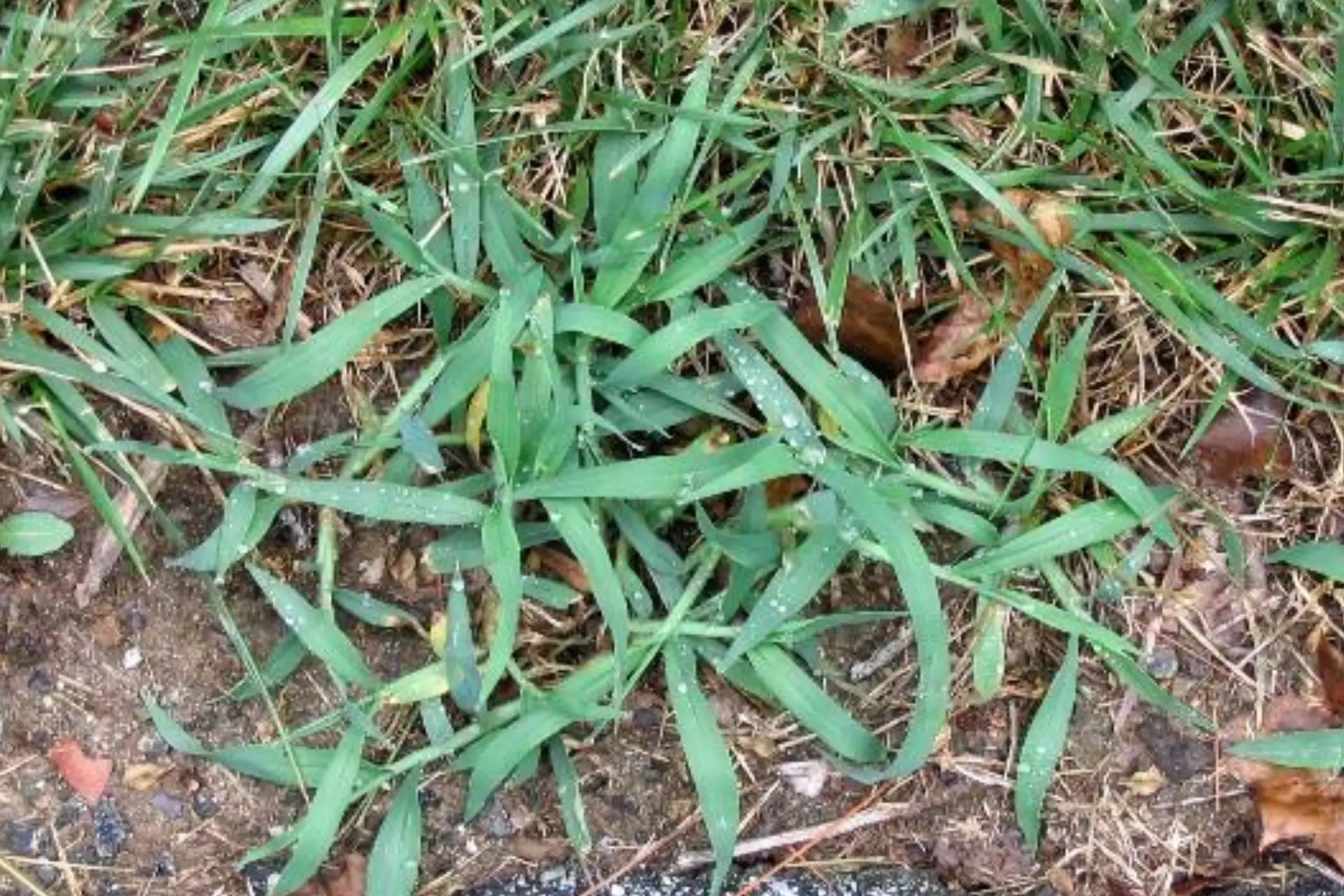
Short Answer: Post-emergent herbicides target weeds that are already growing in your lawn. In Lincoln, May is prime time to treat dandelions, clover, henbit, and ground ivy because they are actively growing and pulling product into their roots. The trick is matching the right product to the right weed, applying when daytime temperatures sit between 60 and 80 degrees, and following up because the toughest weeds rarely die from a single application.
If you walked outside last week and your lawn was speckled with yellow flowers, white clover puffs, or a creeping mat of purple-flowered weeds, you have plenty of company in Lincoln. May is when the weeds we missed in spring make themselves known, and it is also the best window we get all year to actually do something about them.
This is a question we get constantly from homeowners around Lancaster County. “Why do my weeds keep coming back?” or “I sprayed them last year and they are still here.” Most of the time, the answer comes down to timing, product choice, or both. Let us walk you through what we have learned from treating thousands of Nebraska lawns.
Pre-Emergent vs. Post-Emergent: The Quick Refresher
Pre-emergent stops weeds before they sprout. Post-emergent kills weeds that are already up and growing. They are different tools for different jobs, and a complete weed control program uses both.
If you missed the pre-emergent window earlier this spring, your lawn is now fighting weeds that took root before any barrier was in place. That is where post-emergent comes in. The good news is that the weeds you are seeing right now are in their growing phase, which means they are actively pulling water, nutrients, and (if applied correctly) herbicide down into their root systems.
The Four Worst Offenders in Lincoln Lawns
Not all weeds respond to the same products. Here is what we see most often around Lincoln and what actually works.
Dandelions. Easy to identify, but harder to kill than most people realize. The yellow flower turns into the puffball seed head, and each puff can release hundreds of seeds that scatter into neighboring lawns. The taproot can run six to ten inches deep, and if any of it survives, the plant grows back. A selective broadleaf herbicide containing 2,4-D, dicamba, and MCPP (commonly called a “three-way”) is the standard for residential lawns. One thorough spray in May usually kills the leaves and at least weakens the root, but a follow-up two to three weeks later catches what survived.
Clover. White clover spreads by surface runners called stolons, so even if you pull a patch, the runners that escaped will keep producing new plants. Clover also fixes its own nitrogen, which means it thrives in lawns that are underfertilized. Triclopyr is the most effective active ingredient we have used on clover. Standard 2,4-D mixes will burn it back, but triclopyr-based products knock it down for good in most cases.
Henbit. This is the small, fuzzy weed with stacked round leaves and tiny purple flowers that takes over bare areas in early spring. Henbit is a winter annual, meaning it germinated last fall and is finishing its life cycle right now. The honest truth is that by the time you are reading this, most henbit is already on its way out. A May post-emergent will speed things along, but the bigger move is getting fall pre-emergent down in September to stop next year’s generation before it starts.
Ground ivy. Also called creeping Charlie, this is one of the most stubborn weeds we treat in Nebraska. It is in the mint family, with scalloped round leaves and a creeping growth habit that lets it spread under and around grass blades. Standard broadleaf sprays barely touch it. Triclopyr is again the answer, and even then, ground ivy almost always needs at least two applications spaced three to four weeks apart. Patience is part of the program with this one.
Timing: Why May Matters
Post-emergent herbicides work best when weeds are actively growing and air temperatures sit between 60 and 80 degrees. Below 50, the plant slows down and barely absorbs the product. Above 85, you risk damaging your turf because herbicides can volatilize and drift, and some products are simply labeled for cooler conditions.
Lincoln in May usually lands right in the sweet spot. We watch the forecast for a few-day stretch of mild, dry weather with light wind. Rain within 24 hours of application can wash the product off the leaves before it absorbs, and high wind invites drift onto flowers, gardens, or your neighbor’s prized hostas.
What About Liquid vs. Granular?
For spot-treating a yard with scattered weeds, liquid spray is far more effective. The herbicide coats the leaf, which is where it gets absorbed. Granular “weed and feed” products require the granules to physically stick to wet leaves, which is hit-or-miss at best. We use granular fertilizer for nutrient delivery and liquid herbicide for weed control. Mixing the two functions into one product usually compromises both.
The Mistakes We See Most Often
The biggest mistake homeowners make with post-emergent is mowing right before or right after spraying. If you mow the day before, you have removed most of the leaf surface area the herbicide needs to land on. If you mow the day after, you have cut off the parts of the plant that were absorbing the product before it could move down to the roots. The rule we follow is no mowing 48 hours before or 48 hours after application.
The second mistake is expecting a one-time fix. Weeds with deep taproots or running stolons rarely die from a single spray. If you treat once and never come back, you will see regrowth in three to four weeks. Most of our broadleaf cleanup happens over two to three rounds, spaced about three weeks apart.
The third mistake is spraying when the lawn is stressed. If your grass is wilting from drought, just got hit with a hard frost, or is recovering from heavy traffic, hold off. Stressed turf has a harder time tolerating herbicide and can yellow or thin in spots that get hit.
What About Pet and Kid Safety?
This is a fair question and one we hear often. Modern selective herbicides used at labeled rates are considered safe for pets and children once the product has dried, typically within one to two hours of application. We always recommend keeping kids and pets off the treated area until it is fully dry, and watering it in lightly the following day if your label allows. If you have specific concerns about a sensitive family member or pet, ask your applicator before the visit so they can adjust products or timing accordingly.
Should You DIY or Call a Pro?
Honestly, broadleaf spot treatment is one of the more DIY-friendly lawn tasks if you are comfortable with a pump sprayer and reading a label carefully. A bottle of three-way herbicide concentrate runs around $25 and treats a typical yard several times over.
Where it gets harder is identifying weeds correctly, matching products to species, and knowing when to switch to triclopyr or another mode of action. If you are spending money on herbicide year after year and still seeing the same weeds, that is usually a sign the product is not the right match for what you have. A licensed professional can identify the problem on sight and bring a wider product range than what is available on the store shelf.
What to Do Next
If you are dealing with a yard full of dandelions, a clover patch that keeps coming back, or creeping Charlie taking over your shade areas, give us a call at 402-588-4222 or email [email protected]. We will identify what you are dealing with, recommend the right approach, and if you want us to handle it, we can fit a targeted weed application into your spring schedule.
Yard Boss has served Lincoln, Crete, and the surrounding Nebraska communities for years, and every applicator on our team is licensed through the Nebraska Department of Agriculture. We back our work with a satisfaction guarantee, and we treat your lawn the way we would treat our own.
Weeds are beatable. They just need the right product, the right timing, and a little patience.