
Short Answer: For most Lincoln area properties, professional barrier sprays every 21 to 28 days from May through September deliver 80 to 90 percent mosquito and tick reduction for $80 to $130 per visit. Naturally-based options cost 15 to 25 percent more and are gentler on pollinators. Installed misting systems cost 2 to 3 times more than barrier sprays over five years. Standing water elimination on your property is the highest-leverage free intervention. For most quarter to half acre lots, barrier sprays offer the best value.
If you have been frustrated by mosquitoes and ticks in your Lincoln area yard and want straight answers about what actually works, this post walks through the options. We service hundreds of properties across Lancaster County and want to give you the honest comparison.
Why Nebraska Mosquito Pressure Is Real
The combination of warm temperatures, summer storms, abundant standing water sources, and humid conditions creates meaningful mosquito populations across Lincoln and surrounding areas. Adult mosquitoes range up to a mile from breeding sites, so even maintained properties face pressure from surroundings.
Tick activity has expanded in the area over recent years. American dog ticks and deer ticks are both present. Properties near woods, walking trails, or with deer activity face elevated tick risk.
Professional Barrier Sprays
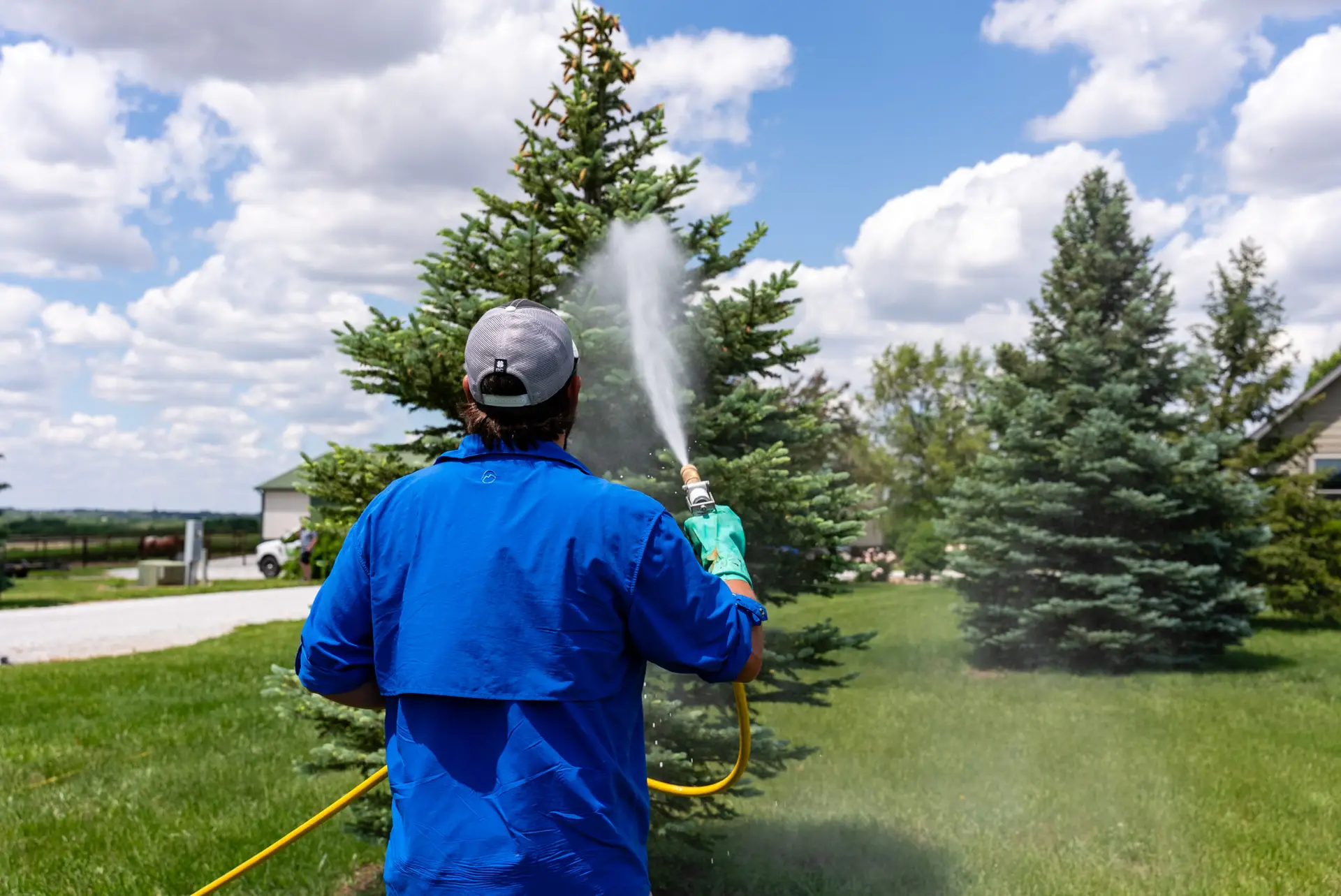
A barrier spray is a targeted application of residual insecticide to harborage zones where adult mosquitoes and ticks rest during the day. Underside of leaves on shrubs. Lower three feet of tree canopy. Tall grass at property edges. Shaded humid areas.
Treatment kills resting pests within hours and continues killing incoming pests for 21 to 28 days. Service every 3 to 4 weeks from May through September.
Effectiveness: 80 to 90 percent reduction in mosquito activity in family-use yard zones, plus meaningful tick suppression at edges.
Lincoln Area Pricing
Professional barrier treatments for a typical residential lot in Lincoln, Crete, and surrounding areas: $80 to $130 per visit. Annual cost for 7 to 9 visits: $560 to $1,170.
Naturally-based programs: 15 to 25 percent more per visit. Annual cost: $700 to $1,400.
Single event treatments: $120 to $200.
Installed misting systems: $2,500 to $5,000 installation plus $600 to $1,200 annual operating.
Conventional vs Naturally-Based
Conventional pyrethroid sprays. Highly effective, residual, lower cost. Some concern about pollinator impact if applied carelessly.
Naturally-based programs. Essential oils and botanically-derived active ingredients. Break down faster (slightly more frequent applications). Gentler on pollinators and beneficial insects. Premium cost.
For families with pollinator gardens, beehives nearby, kids and pets with sensitivities, or strong environmental preferences, naturally-based is usually the right fit. For families without those specific concerns, conventional works comparably.
What Does Not Work Well
Bug zappers. Largely ineffective for mosquitoes.
Citronella candles. Work in 6 to 8 foot radius in still air. Not a yard-wide solution.
DIY hose-end foggers. Inconsistent application, often heavier per dollar on pollinators than professional service.
Single one-time treatments. Population rebounds within 4 to 6 weeks. Not effective for ongoing protection.
Outdoor “mosquito plants” advertised in garden centers. Marketing claims rarely match results.
What Always Works (Free)
Standing water elimination. The single most effective DIY practice. Walk your property every 2 weeks during mosquito season. Dump or refresh containers holding water: plant saucers, bird baths, kiddie pools, tarps, clogged gutters, low spots.
20 minutes every other week reduces on-property mosquito production by 60 to 80 percent.
Tick Reduction Practices
Keep grass cut to 3.5 inches at woods edges.
Clear leaf litter within 10 feet of lawn boundary.
Move woodpiles 20 feet from house and off the ground.
Avoid walking through tall grass during peak season.
Permethrin clothing treatment for outdoor activity.
Daily tick checks after time outdoors.
When Misting Systems Make Sense
Large properties (1 acre or more) with persistent severe pressure.
Properties adjacent to ponds, creeks, or wetlands with constant breeding.
Homeowners who entertain outdoors very frequently.
Families with bite sensitivities requiring maximum protection.
For typical residential lots, the math favors barrier sprays.
Realistic Expectations
Professional treatment produces dramatic reduction, not zero pressure. You should expect to enjoy the patio at dusk, host gatherings without misery, and let kids and pets play without coming inside covered in bites. You should not expect zero exposure walking through tall grass or near woods edges.
Tick Specifics for Lincoln Properties
Tick activity in Nebraska has grown over the past 15 years. The two main species locally. American dog ticks (large, brown with white markings, more common on dogs and humans during outdoor activity). Deer ticks (smaller, can carry Lyme disease, more common near wooded areas). Both species are present in Lincoln and surrounding county. Properties near woods, walking trails, or with regular deer activity face highest exposure. Standard barrier sprays reduce tick activity in treated zones but cultural practices (lawn edges trimmed, leaf litter cleared) matter as much for tick reduction as professional treatment.
What Adding Tick Tubes Does
For properties with severe tick pressure, tick tubes (cardboard tubes filled with permethrin-treated cotton) provide population-control benefit beyond standard barrier sprays. Mice take the cotton to their nests as bedding material. Ticks that feed on the mice die before maturity. The reproductive cycle gets broken. Tick tubes work over multiple seasons. They cost $50 to $150 per property and supplement (do not replace) barrier sprays. For Lincoln properties with confirmed Lyme concerns or severe tick pressure, the combination produces better results than either alone.
What a First Property Visit Looks Like
For Lincoln area homeowners considering professional mosquito and tick service, the initial property visit typically takes 25 to 35 minutes. We walk the perimeter and family-use areas, identifying specific harborage zones. We point out any standing water sources you can address yourself. We discuss your specific concerns (pollinators, pets, kids, allergies). We provide a written quote with transparent pricing. Most properties are in routine service within a week of the initial visit.
Frequently Asked Questions
How long after treatment can my kids and pets go outside?
Once dry, typically 1 to 2 hours after application.
What about pollinator concerns?
Choose naturally-based programs if pollinators are a priority. Ensure the provider avoids blooming plants regardless of which chemistry is used.
Do I need a long-term contract?
Most providers offer month-to-month. Prepaid seasonal packages offer modest discounts.
How quickly can I start service?
Typically within 5 to 10 days of initial contact.
What to Tell Pet Owners and Beekeepers
For Lincoln area homeowners with pets or beekeepers in the neighborhood, important communications. Pet owners: treatments are safe once dry, typically 1 to 2 hours after application. Confirm timing with your technician. Beekeepers: notify them in advance of treatment so they can close hives or take other protective measures. Most professional services coordinate with nearby beekeepers as a routine practice. If your provider does not ask about beekeepers, mention any you know of.
Standing Water You Might Miss
Common standing water sources homeowners overlook. Birdbaths that have not been refreshed. Plant saucers under outdoor pots. Children’s toys left outside that hold water. Tarps covering equipment, woodpiles, or boats. Buckets, bins, and recycling containers. Corrugated downspout extensions with water trapped in the ridges. Clogged gutters. Pool covers. Decorative water features without circulation. Walking the property every 2 weeks during mosquito season and addressing all of these reduces on-property mosquito production dramatically.
What Long-Term Customers Tell Us
For Yard Boss mosquito and tick customers who have been on consistent service across multiple years, the feedback pattern is consistent. Year 1: noticeable reduction in pressure, occasional breakthrough activity. Year 2: lower baseline pressure because last year’s reproduction was suppressed. Year 3 and beyond: dramatically more pleasant outdoor environment year over year as the local population stays suppressed. Customers who maintain consistency report the best long-term outcomes.
What Lincoln’s Local Ecology Adds
Lincoln area mosquito and tick management benefits from understanding the local ecology. Salt Creek and surrounding waterways provide mosquito habitat that affects nearby properties. Wilderness Park and similar natural areas harbor tick populations. Newer subdivisions sometimes face elevated pressure during the establishment period as wildlife adjusts. Mature established neighborhoods often have lower pressure because predator populations have balanced over time. Knowing your specific property’s local context helps set realistic expectations.
Coordinating With Other Outdoor Services
For Lincoln area homeowners with lawn care, mosquito and tick, tree care, and other outdoor services, coordination produces better outcomes. Different treatments can interact in ways that affect outcomes. Application timing matters across services. Communication between providers prevents conflicts. We coordinate with other providers when relevant for our customers. Brief conversations among service providers at the start of the season set expectations and prevent friction.
What to Do Next
If you want a professional read on what your Lincoln area property needs, call us at 402-588-4222 or visit yardbosslawns.com. We serve Lincoln, Crete, Seward, Beatrice, and Lancaster County.