
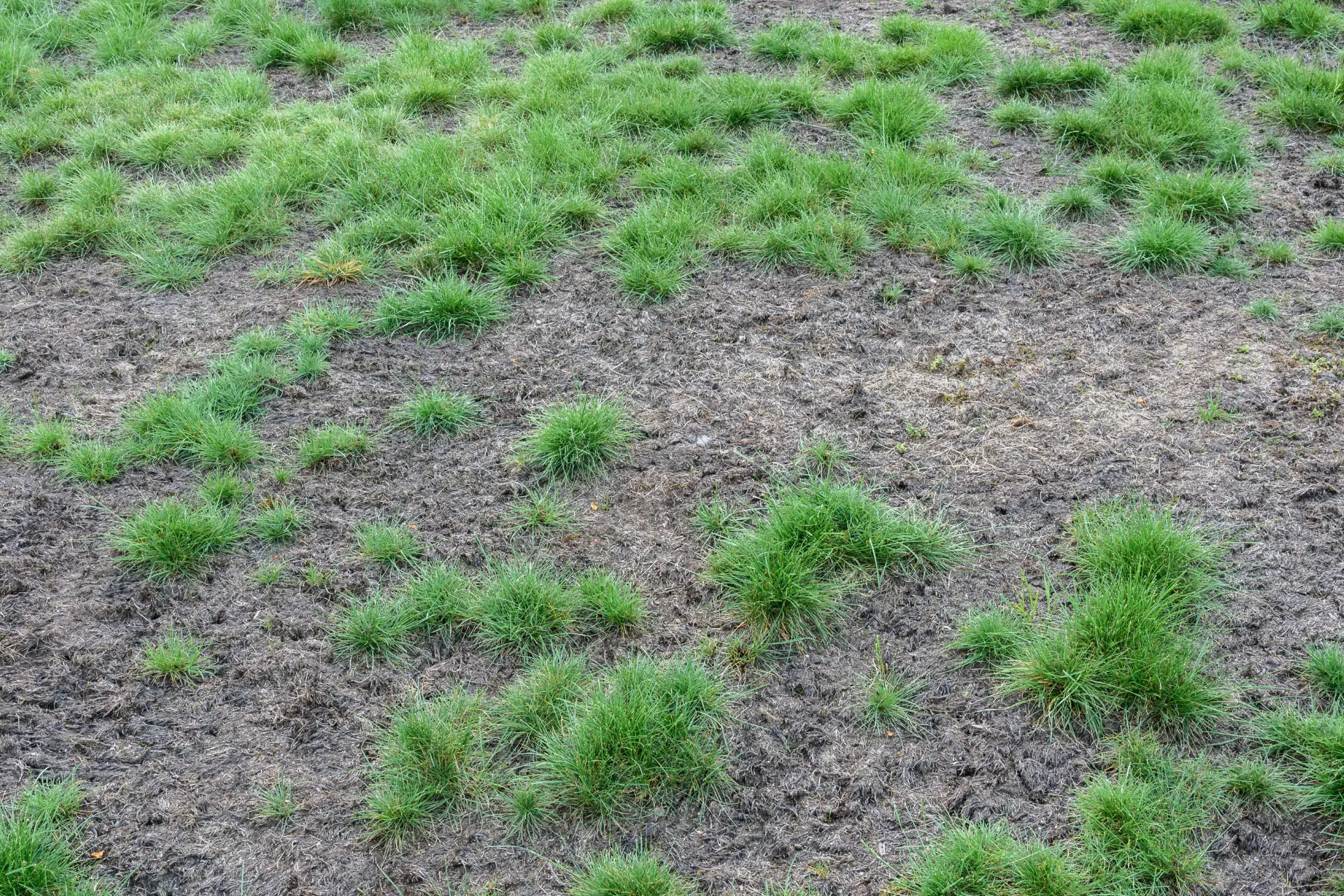
Short Answer: Cool-season lawns in Lincoln start thinning in late June for one of three main reasons: heat stress from inadequate cultural practices (mowing too short, shallow watering), fungal disease activity (brown patch, summer patch, dollar spot), or accumulating effects of soil compaction and depleted fertility. Each cause has different symptoms and different fixes. Adding more fertilizer or watering more often is usually the wrong move and frequently makes things worse. Diagnose first. The right intervention typically produces visible improvement within 4 to 6 weeks.
If your Lincoln area cool-season lawn looked great in May and is suddenly thinning in late June, this post is for you. The pattern is one of the most common issues we see every year. The good news is that the causes are usually identifiable and most situations are recoverable with the right diagnosis.
Cause 1: Heat Stress From Cultural Practices
The most common cause of late June thinning on Lincoln area lawns. Specific cultural practices that compound under heat stress.
Mowing too short. Cool-season grass cut at 2 to 2.5 inches stresses badly when temperatures climb. The shorter cut exposes soil to direct sun, reduces photosynthetic capacity, and forces shallow root systems.
Daily shallow watering. Trains roots into the top inch of soil. When the surface dries during heat, the roots have nowhere to go for moisture.
Evening watering. Keeps canopy wet overnight, dramatically increases disease pressure.
Heavy spring nitrogen. Produces soft growth that summer heat damages.
Diagnostic clues. Even thinning across exposed areas. Footprints stay visible after walking. Blue-gray cast to blades. Recovery within 24 to 48 hours of deep watering.
Fix. Raise mowing height to 3.5 to 4 inches. Switch to twice-weekly deep watering in early morning. Stop heavy nitrogen.
Cause 2: Fungal Disease Activity
Late June is when several fungal diseases become active on Lincoln cool-season lawns. Brown patch, summer patch, dollar spot, and others can all produce visible damage that homeowners often mistake for heat stress.
Diagnostic clues. Patches with defined shapes (circles, rings). Visible mycelium on dewy mornings. Damage that does not respond to watering. Specific lesion patterns on individual blades.
Fix. Fungicide labeled for the specific disease. Cultural changes (morning watering only, raised mowing height) to reduce pressure. Recovery visible in 4 to 6 weeks typically.
Cause 3: Soil and Fertility Issues
Lawns with depleted soil, compacted profiles, or fertility imbalances accumulate stress over multiple seasons. Late June heat exposes the underlying issues.
Diagnostic clues. Repeating thin areas in the same spots year after year. Screwdriver test shows compaction (resistance at 2 to 3 inches). Lawn looks tired despite normal care. Water runs off rather than soaking in.
Fix. Core aeration in fall. Compost topdressing to build organic matter. Soil test to identify chemistry issues. Long-term commitment to soil health.
How to Tell Which Cause Applies
The recovery test. Apply deep water (about an inch over 60 to 90 minutes) to a thin patch. Wait 24 to 48 hours. If the area improves: heat stress was primary. If not: disease or soil issues.
The dawn check. Walk the lawn at sunrise during a dewy morning. Visible mycelium on grass blades confirms fungal disease.
The pattern check. Even thinning across exposed areas: heat stress. Defined shapes with rings: disease. Same areas year after year: soil issues.
Multiple causes often happen at once. The diagnostic walk identifies the primary cause and any secondary contributors.
What Not to Do
Heavy nitrogen fertilization. Pushes growth the lawn cannot support. Often makes things worse.
Daily watering. Worsens disease and trains shallow roots.
Aeration in peak heat. Stresses an already stressed lawn.
Random fungicide without diagnosis. Wasted money if the cause is not fungal.
Replacing the sod without addressing underlying issues. The new sod will struggle for the same reasons.
The Recovery Timeline
With correct diagnosis and intervention. Watering changes show improvement in 2 to 3 weeks. Mowing height changes show in 3 to 4 weeks. Disease treatments show in 4 to 6 weeks. Soil changes show across multiple months and seasons.
Most lawns can recover from late June thinning by September if the cause gets identified and addressed promptly.
The Long-Game Strategy
For lawns that thin every late June year after year, the long-term solution is changing the underlying conditions. Fall aeration and overseeding rebuild density. Annual soil amendments improve structure. Consistent cultural practices reduce annual stress. Multi-year programs that target the root causes produce dramatic improvement over time.
What to Expect From Recovery
For Lincoln area lawns that get diagnosed and treated correctly in late June, the recovery follows a predictable pattern. Week 1 to 2: visible decline stops. The lawn stabilizes. Week 3 to 5: color returns to the unaffected portions of the lawn. Week 5 to 8: density rebuilds in thin areas through new growth. By Labor Day: most lawns look meaningfully better than the late June state. Recovery is reliable when the right cause gets addressed promptly.
Why Multi-Cause Diagnosis Matters
The most common pattern in Lincoln area lawns is multiple compounding causes. A lawn with both heat stress and disease activity recovers slower than lawns with single causes. A lawn with cultural practice problems and soil compaction faces worse outcomes than either alone. The diagnostic walk should identify the primary cause plus any secondary contributors. Addressing all of them in coordination produces better results than tackling them sequentially.
The Cost of Waiting
For comparison, here is what waiting on late June thinning typically costs. June diagnosis and intervention: $150 to $400 total for testing, treatments, and cultural adjustments. August rescue work for compounded damage: $500 to $1,500 typically. Fall renovation for severe damage: $800 to $2,500 for aeration, overseed, and recovery support. The math heavily favors early diagnosis and intervention.
The Honest Assessment of What Is Recoverable
For Lincoln area lawns with severe late June thinning, the honest assessment matters. Lawns with healthy soil and intact root systems usually recover fully with proper intervention. Lawns with depleted soil, compacted profiles, or multiple compounding issues may need fall renovation regardless of summer intervention. Lawns with active disease that has progressed widely may need staged management across multiple seasons. Setting realistic expectations upfront prevents disappointment. Most lawns recover better than homeowners initially expect.
Frequently Asked Questions
Will the lawn fully recover?
For light to moderate thinning, yes with correct intervention. Severe damage may need fall overseeding to fully rebuild.
Can I overseed in June?
Cool-season overseeding works best in late August through September. Summer overseeding faces too much heat stress for new seedlings.
How quickly should I act?
Within 1 to 2 weeks of noticing thinning. Earlier intervention is more effective and less expensive than late intervention.
Should I just call a professional?
For uncertain diagnoses or significant thinning, professional assessment usually saves money compared to continued DIY guessing. The diagnostic visit cost is small relative to the cost of treating the wrong cause.
What Specific Cool-Season Grasses Need
Different cool-season grass species have slightly different June requirements. Kentucky bluegrass thrives in cool conditions but suffers in heat; needs higher mowing height (3.5 to 4 inches) and adequate moisture. Tall fescue handles heat better than bluegrass but still benefits from morning watering and proper mowing. Perennial ryegrass has decent heat tolerance but limited drought tolerance. Fine fescue (often in shaded portions of lawns) needs less water and shorter mowing height (2.5 to 3 inches). Most Lincoln area lawns are mixed; the general practices apply across all the species typically present.
The Honest Conversation About When to Sod vs Recover
For Lincoln area lawns with severe late June thinning, the question becomes whether recovery is realistic or if sodding the worst areas makes more sense. Lawns with 20 to 40 percent thin areas can usually recover with proper intervention by Labor Day. Lawns with 40 to 60 percent thin areas may need fall overseeding plus some sodding of the worst spots. Lawns with more than 60 percent affected often face better outcomes from staged sodding combined with overseed than from waiting for natural recovery. The honest discussion about expectations and outcomes saves homeowners from continued investment in lawns that need restoration.
Setting Up the Lawn for Fall Recovery
For Lincoln area lawns that struggle through June and July, fall renovation can rebuild what summer damaged. The standard package includes core aeration in early to mid September, overseeding with disease-resistant varieties, starter fertilizer, and consistent watering through establishment. Properties that follow the fall renovation timeline typically enter spring in dramatically better shape than the previous year. The investment compounds across multiple seasons.
What to Do Next
If your Lincoln area lawn is thinning and you want help identifying the cause, call us at 402-588-4222 or visit yardbosslawns.com. We serve Lincoln, Crete, Seward, Beatrice, and Lancaster County.