
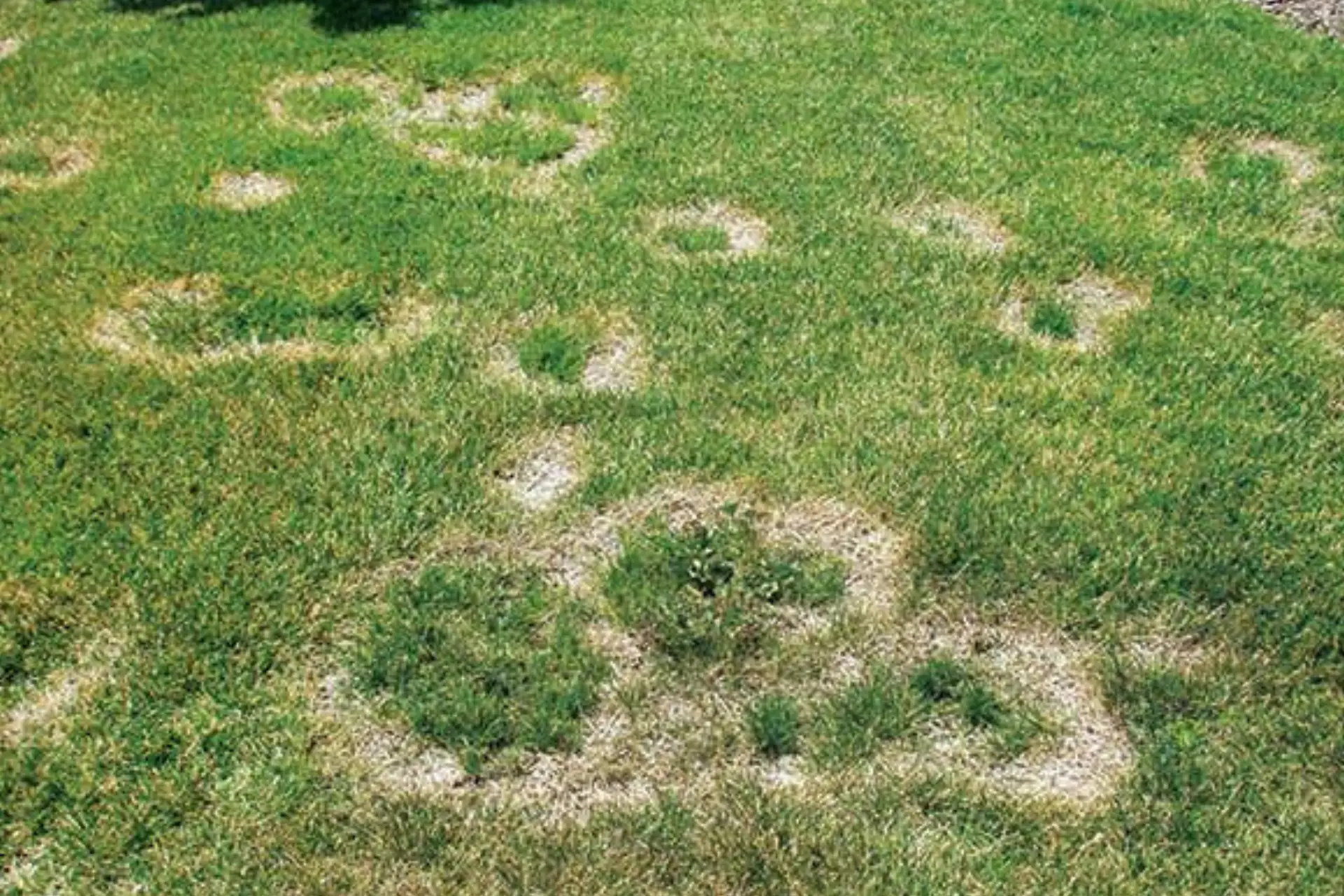
Short Answer: For most bare spots and thin areas in Lincoln, fall (mid-August through late September) is dramatically better for seeding than spring. Spring seed competes with crabgrass, runs out of time before summer heat hits, and rarely matures roots deep enough to survive July. There are a few cases where spring seeding makes sense, like small repair patches in shaded areas or sod replacement, but for full overseeding, waiting four months will get you a much better result. We will walk through how to tell the difference and what to do in the meantime.
Almost every Lincoln lawn comes out of winter with a few rough areas. Sometimes it is matted grass that will fluff back up in a few weeks. Sometimes it is genuine bare soil where last summer’s grubs, dog traffic, snow piles, or drought left their mark. Most homeowners look at those spots and reach for a bag of grass seed at the hardware store.
We understand the instinct. But spring seeding is one of the most common ways we see homeowners waste money on their lawns in Nebraska. Let us walk through why that is, when it actually makes sense, and what to do in the meantime if you are looking at a yard that needs help.
Why Spring Seeding Usually Disappoints
Cool-season grasses (tall fescue, Kentucky bluegrass, perennial ryegrass) have a clear preference: they germinate best when soil temperatures sit between 50 and 65 degrees, with warm days and cool nights. That window exists in spring, but only for a short time, and the timing comes with three major problems.
Problem one: crabgrass. Pre-emergent herbicide forms a barrier in the soil that blocks weed seed germination. It also blocks grass seed germination. So if you applied pre-emergent in April (which you should have), you cannot seed in May without canceling out your weed control. If you skipped pre-emergent to seed instead, you are now fighting crabgrass in every bare patch you wanted to fill.
Problem two: summer heat. Grass seeded in April or May has roughly 8 to 12 weeks to establish a root system before Nebraska summer hits. That is not enough time. Mature cool-season turf can put roots down 6 to 10 inches, which lets it pull moisture from deep soil during a heat wave. New spring seed will have roots maybe 2 to 3 inches deep when July arrives, which means it dries out faster than you can water it.
Problem three: weather. Lincoln spring weather is unpredictable. Late freezes, heavy rain that washes seed away, sudden hot stretches, and high winds all interfere with germination. Fall has a much more reliable pattern: warm soil, cooling air, and steady moisture.
Why Fall Wins
Fall seeding (mid-August through late September in Lincoln) takes advantage of soil that is still warm from summer, air that is cooling off, and a long fall growing season followed by winter dormancy where the grass is not under stress.
Seed put down in early September has 8 to 10 weeks of active root growth before the first hard freeze, then comes back in spring with an established crown and root system. By the following summer, those plants are mature enough to handle heat without supplemental water beyond the normal program.
We have done both spring and fall seeding side-by-side on dozens of properties over the years. The fall results win, consistently, by a wide margin. Most years it is not even close.
The Few Cases Where Spring Seeding Makes Sense
That said, there are scenarios where spring seeding is the right call. Here is when we would consider it.
Small repair patches in shaded areas. If a dog spot, snow pile damage, or a small bare area is in part shade and is small enough to keep watered consistently, you can seed it in April or early May. Shade reduces summer heat stress, and you can baby a small area more easily than a whole lawn.
Sod replacement. Laying sod in spring is fine, even ideal. Sod comes with an existing root system that knits into the soil within a few weeks. You skip the germination phase entirely. Cost is higher than seed, but the timing penalty does not apply.
Slit seeding or aeration with seed in very early spring. If you have a heavily damaged lawn that you cannot wait on, slit seeding in late March or very early April (before pre-emergent) can work. You will likely need to overseed again in fall to fill in, but you might get a partial recovery in the meantime.
New construction or major renovation. If you are starting from bare dirt, spring seeding is sometimes the only option. In that case, plan for heavy watering, no pre-emergent, and a follow-up fall overseed to thicken things up.
What to Do With Bare Spots Right Now
If you are looking at bare or thin spots in May and you are willing to wait for fall, here is the plan we would suggest.
Identify the cause first. A bare spot is a symptom. Was it grubs? Dog urine? Drought stress? Compaction? Salt damage near a sidewalk? If you reseed without fixing the underlying cause, you will be reseeding the same spot every year. We can usually identify the cause from a quick site visit.
Mark the spots. Take photos, drop pin flags, or note the locations on a sketch. By August, you will have forgotten where the worst areas were once the surrounding grass has grown in. Marking them now makes fall planning easier.
Address compaction or soil issues. If the spot is in a high-traffic area or has compacted soil, plan to aerate that area in late summer before seeding. Soil that water cannot penetrate will never grow grass well, no matter how much seed you put down.
Improve the surrounding lawn. Healthy, dense turf around a bare spot will naturally spread into the open space over time. Spreading rhizomatous grasses like Kentucky bluegrass can fill in small bare patches without any seed at all, given a few months and good growing conditions.
How to Bridge the Gap Visually
If the bare spots are bothering you and you want them less visible while you wait for fall, here are a few honest options.
Topdressing with a thin layer of compost or topsoil can level uneven areas and improve soil quality without seeding. This is a small project most homeowners can handle on their own.
Strategic mowing height can help. Cutting at the higher end of the recommended range (4 inches for fescue) makes the lawn look fuller and visually masks small thin areas.
If a single bare spot is truly an eyesore, a small piece of cut sod can fill it. One roll of sod from a local supplier costs around $5 to $10 and can patch a couple square feet of bare ground.
The Honest Conversation
This is one of those topics where we try to be straight with homeowners rather than sell them what they want to hear. We could absolutely sell spring overseeding services. Some companies do. But our experience tells us that fall is when seeding actually pays off, and we would rather have a homeowner wait four months and get a great result than spend money in May for something that fails by July.
That is the kind of advice we would give a neighbor or family member, and it is the same advice we give our customers.
What to Do Next
If you want a professional assessment of your bare spots, an opinion on whether they need seed or some other fix, or a spot on our fall aeration and overseeding schedule, give us a call at 402-588-4222 or email greenergrass@yardbosslawns.com. We service Lincoln, Crete, and surrounding Nebraska communities, and we are happy to take a look at your specific lawn before recommending anything.
Patience is a real lawn care strategy. Sometimes the best move in May is the move you make in September.