
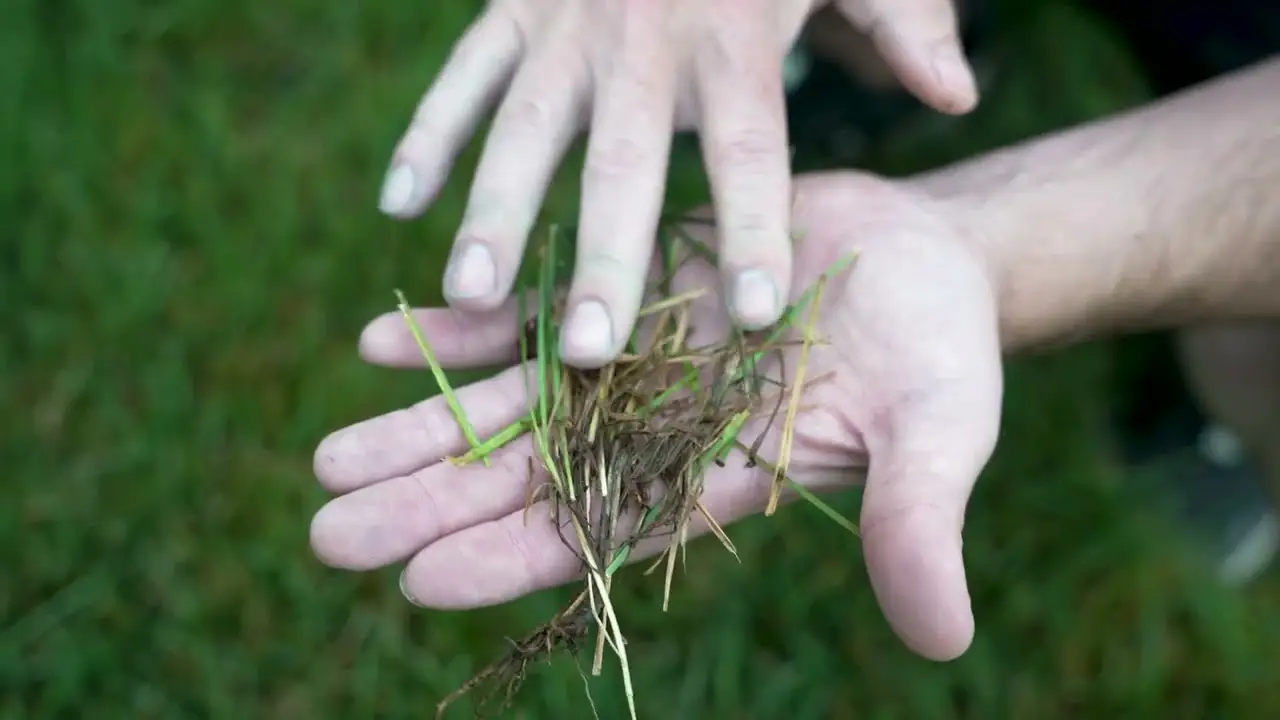
Short Answer: Late spring in Lincoln brings the perfect conditions for three turf diseases: dollar spot (small silver-dollar-sized straw-colored patches), red thread (pinkish red threads emerging from grass tips), and rust (orange or yellow powder on grass blades). All three are encouraged by mild temperatures, prolonged leaf wetness, and underfertilized turf. Most cases improve with a balanced nitrogen application and better watering practices, but heavy outbreaks may need a fungicide. We will walk through how to tell them apart and what to do about each one.
Most homeowners never think about lawn disease until they walk into the backyard one morning and see patches that were not there yesterday. By May, three specific diseases start showing up regularly on Nebraska lawns, and we get a steady flow of photos and questions from customers about which is which.
The good news is that all three are manageable, and none of them will kill your lawn outright. The trick is identifying what you have so you can treat it correctly.
Why Late Spring Triggers Disease
Turf disease is essentially fungus, and fungus needs three things to thrive: a host plant, the right temperature, and moisture. Late spring in Lincoln delivers all three.
Temperatures sit in the 60 to 80 degree range, which is the ideal window for several common turf fungi. Spring rains keep humidity high. Morning dew lasts longer because air is still cool, which keeps grass blades wet for many hours. And if your lawn is hungry for nitrogen because your April fertilizer is wearing off, the grass is weaker and more susceptible to infection.
This is why the same lawn can look perfectly healthy in April and develop disease patches by mid-May. The plant is not changing dramatically. The environment is.
Dollar Spot: The Silver Dollar Patches
Dollar spot is named for its size: small, round patches roughly the size of a silver dollar (a few inches across). They look like little circles of straw-colored or tan grass scattered across the lawn. In the early morning, you might see white cottony growth on the affected patches, which is the actual fungal mycelium.
Dollar spot loves moderate temperatures (60 to 85 degrees), heavy dew, and low nitrogen. Lawns that are underfed are particularly vulnerable. It is most common on Kentucky bluegrass and creeping bentgrass, but it shows up on tall fescue too.
The first move with dollar spot is usually a balanced nitrogen application. Increasing fertility makes the grass grow faster than the disease can spread, and existing patches tend to fill in within a few weeks. Reducing leaf wetness also helps: water deeply and infrequently in the morning rather than nightly, and avoid evening watering entirely.
For severe cases that are not responding to fertility changes, a fungicide containing propiconazole, azoxystrobin, or thiophanate-methyl is effective. These products are available at professional supply houses and through licensed applicators. Most residential dollar spot outbreaks do not need fungicide if fertility and watering are corrected.
Red Thread: The Pink Cotton Candy
Red thread is one of the easier diseases to identify because it produces unmistakable pinkish-red threads (called sclerotia) that emerge from the tips of infected grass blades. From a distance, affected areas look pinkish or tan in irregular patches a few inches to a few feet across. Up close, you can see the actual red filaments.
Like dollar spot, red thread is encouraged by mild, wet weather and low nitrogen. It is especially common on perennial ryegrass and fescue, which are heavily represented in Lincoln lawns.
The reassuring thing about red thread is that it usually only affects the leaf tissue, not the crown or roots. So while it looks alarming, it rarely kills the plant. Most lawns recover fully with a fertilizer application and improved watering practices.
Treatment looks a lot like dollar spot management: feed the lawn, water deeply in the morning, and avoid prolonged leaf wetness. Fungicides are rarely necessary for residential red thread cases. If you have it badly enough that fertility alone is not working, the same products effective on dollar spot will handle red thread.
Rust: The Orange Powder
Rust shows up later in the season than dollar spot or red thread, typically in late May through summer. The diagnostic sign is orange, yellow, or reddish powder that comes off on your shoes, mower, or hands when you walk through the lawn. Up close, the powder is actually millions of fungal spores.
Rust tends to attack stressed, slow-growing lawns. The conditions that favor it are warm days, cool nights, heavy dew, and low fertility, especially nitrogen-starved Kentucky bluegrass. It is rarely a problem on healthy, well-fed lawns.
Treatment is the same theme: fertilize, water properly, and mow more frequently to remove infected leaf tissue (and dispose of clippings rather than mulching while rust is active). Most rust cases clear up on their own within two to three weeks once growing conditions and fertility improve.
If you have a particularly heavy infection that is staining everything orange, a fungicide can knock it back faster, but again, most residential cases do not require chemical intervention.
The Common Thread (No Pun Intended)
You might have noticed that the treatment for all three diseases looks very similar. That is not a coincidence. The same conditions that favor one fungus often favor others, and the same management practices that prevent or reduce one tend to help with all of them.
The four pillars of disease management on residential lawns are:
Adequate but not excessive fertility. A hungry lawn is a vulnerable lawn. A balanced May fertilizer application is often the single most effective disease prevention tool you have.
Smart watering practices. Water in the morning, water deeply and infrequently, and minimize the hours that grass blades stay wet. We covered this in detail in a separate post on watering this month.
Proper mowing height. Cutting at the right height (3.5 to 4 inches for cool-season grasses) keeps the canopy open enough for airflow but tall enough to support deep roots. Scalped lawns are more prone to disease.
Soil and thatch management. Heavy thatch holds moisture against the soil surface and creates ideal disease conditions. Compacted soil prevents drainage. Aeration in the fall addresses both.
When to Call a Professional
You should call us (or another licensed applicator) when you see widespread patches covering more than 15 to 20 percent of the lawn, when fertility changes have not improved things after three to four weeks, when you cannot confidently identify what disease you have, or when patches are continuing to spread despite your changes.
Misidentifying a disease and treating with the wrong product wastes money and can make problems worse. A trained eye can usually identify the issue in seconds and recommend the most effective response.
What About Lawn Fungicides at the Hardware Store?
The fungicides available at retail stores can work for residential applications, but they tend to be lower concentration and shorter duration than professional products. They are also typically broad-spectrum, which means they hit multiple disease types but at a less optimal rate for any one of them.
For minor cases caught early, retail products are reasonable. For larger or more aggressive outbreaks, professional-grade fungicides will get you a better result for the money.
Prevention Pays Off
The cheapest disease treatment is prevention. A consistent fertilization program, smart watering, proper mowing, and fall aeration combine to make your lawn dramatically less vulnerable to fungal pressure. We rarely see severe disease on properties enrolled in a complete program. We see it regularly on lawns that have been underfed, overwatered, or scalped.
That is not a sales pitch, just a pattern we have noticed across thousands of lawns over the years.
What to Do Next
If you have spotted unusual patches in your lawn this month and you are not sure what you are looking at, take a photo and send it our way. We can usually identify the issue from a clear close-up. Call us at 402-588-4222 or email [email protected] and we will get back to you with a recommendation.
For full-season disease prevention through fertility, weed control, and seasonal monitoring, our 6-step program covers Lincoln-area lawns from spring green-up through fall winterization. Yard Boss has been serving Lincoln, Crete, and surrounding communities with licensed Nebraska Department of Agriculture applicators and a satisfaction guarantee.
Disease patches in May can be alarming, but they are rarely catastrophic. Address them quickly, support the lawn with the right inputs, and most cases resolve within a few weeks.