
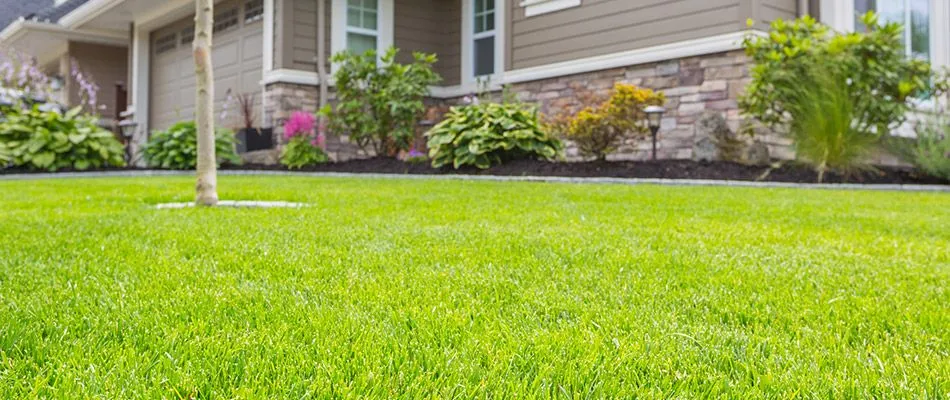
Short Answer: The most important summer mowing move for a Lincoln cool-season lawn is to raise the deck and mow tall, 3.5 to 4 inches for fescue and bluegrass. Taller grass shades its own soil, holds moisture, and grows deeper roots, all of which help it endure the heat. Combine that with mowing less often (the grass is barely growing in July anyway), never removing more than a third of the blade at once, keeping the blade sharp, mowing in the cool of the evening on dry grass, and leaving the clippings to feed the lawn. These habits cost nothing and protect the lawn far better than scalping it short ever could.
We talk a lot about watering and fertilizing, but mowing is the thing you do to your lawn more than anything else, which makes it quietly the most influential habit of all. In a Lincoln summer, the difference between a lawn mowed well and a lawn mowed wrong can be the difference between turf that coasts through July and turf that fries.
And here is the catch: the natural summer instinct is exactly backwards. When it is hot and you would rather not be out there every weekend, the temptation is to cut it short so you can skip a mow or two. For cool-season grass in our climate, that short cut is one of the fastest routes to a stressed, struggling lawn. Let us walk through what actually works.
Mow Tall: The Habit That Matters Most
Grass height and root depth go hand in hand. A taller blade collects more sunlight, which fuels a deeper, stronger root system, and deeper roots reach water that a shallow-rooted lawn simply cannot. Just as important, a taller canopy shades the soil surface. On a 95-degree July afternoon, that shade keeps the soil cooler and slows evaporation dramatically, which means the moisture you do apply lasts longer.
For the tall fescue and Kentucky bluegrass that make up nearly every Lincoln lawn, the summer target is 3.5 to 4 inches. If you are used to a shorter, manicured look, that height can feel long, but cool-season grass genuinely needs it to handle our transition-zone heat. Scalping a cool-season lawn down to 2 inches in July strips away the shade, exposes the soil, cooks the crowns, and invites weeds into the thin, bare spots. Raising the deck is the single highest-return change most homeowners can make, and it is completely free.
Mow Less Often in the Heat
Here is some good news that fits the season. Cool-season grass slows way down in summer heat, so it simply does not need mowing as often. The lawn that demanded mowing twice a week in May might only need it every 10 to 14 days in the heart of July. Let the grass tell you when to mow rather than mowing on a fixed weekly calendar.
Forcing a mow on a lawn that has barely grown just stresses it for no benefit. If the grass has not put on enough height to need cutting, leave it be. Mowing less in summer is not laziness, it is good agronomy. The lawn is conserving energy, and every unnecessary cut works against that.
Follow the One-Third Rule
Never remove more than a third of the grass blade in a single mowing. Cutting more than that shocks the plant, exposes the soil, and forces the grass to pour energy into regrowing leaf tissue instead of maintaining its roots, which is the last thing a heat-stressed plant should be doing.
In practice, if your target is 4 inches, mow when the grass reaches about 6 inches and bring it back to 4. If the lawn ever gets away from you and grows long, do not chop it back to target in one pass. Step it down over two or three mowings a few days apart. It takes more patience than most of us want, but it spares the lawn a real setback during the season it can least afford one.
Keep the Blade Sharp
A sharp mower blade slices grass cleanly. A dull one tears and shreds the tips, leaving a frayed cut that turns the lawn a whitish-tan a day after mowing. Those torn tips lose moisture faster and create open wounds that fungal diseases exploit, and summer in Nebraska already brings enough disease pressure without handing it an opening.
Sharpening the blade once or twice a season is a sensible baseline, more often for larger lawns or if you hit rocks and debris. An easy self-check: look closely at the grass tips a day after mowing. Clean, even cuts mean your blade is fine. Brown, ragged, torn tips mean it is time to sharpen.
Mow Cool and Dry
Time the mow for the cooler part of the day, late afternoon or early evening, so the freshly cut lawn is not trying to recover under peak midday sun. The grass handles the stress of a cut much better when it is not also baking.
And mow when the grass is dry. Wet grass clumps and clogs the mower, cuts unevenly, and can spread disease spores around the lawn as the deck and wheels track through it. Evening on a dry lawn is ideal. Early morning works too, but wait until the dew has dried off first.
Leave the Clippings
Bagging clippings feels tidy, but it throws away free fertilizer. Grass clippings are mostly water and full of nutrients, and left on the lawn they break down fast and return nitrogen and moisture to the soil. Over a season, mulching clippings back in can supply a real share of the lawn’s nitrogen at no cost, which is especially handy in summer when you should be going light on fertilizer anyway.
The worry that clippings cause thatch is a myth in normal conditions. Thatch comes from tougher root and stem material, not leaf clippings, which decompose too quickly to pile up. As long as you are following the one-third rule and not dropping heavy clumps, leaving the clippings is a clear win. If the lawn did get long and you are removing a lot at once, spread the clippings out or make a quick second pass so they do not smother the grass.
One Caution for Dormant Lawns
If you have let your lawn go dormant for the summer and it has browned out, ease off the mowing. There is little to cut, and rolling a mower across crispy, dormant turf just stresses crowns that are working to survive. Stay off it as much as you reasonably can during the worst of the heat, and resume normal mowing when cooler weather and moisture bring the grass back.
What to Do Next
Good mowing is the cheapest lawn upgrade there is, and in a Lincoln summer it is also one of the most effective. If you want help confirming the right height for your grass, or you would rather hand the mowing to a team that follows these practices every time, we are glad to help. Call us at 402-588-4222 or email greenergrass@yardbosslawns.com.
We have spent years caring for Lancaster County lawns through hot transition-zone summers, and the pattern holds every year: the homeowners who mow tall, mow sharp, and mow only when the grass needs it come through July in far better shape. Raise the deck, slow down, and let the lawn keep its strength for the season that tests it most.