
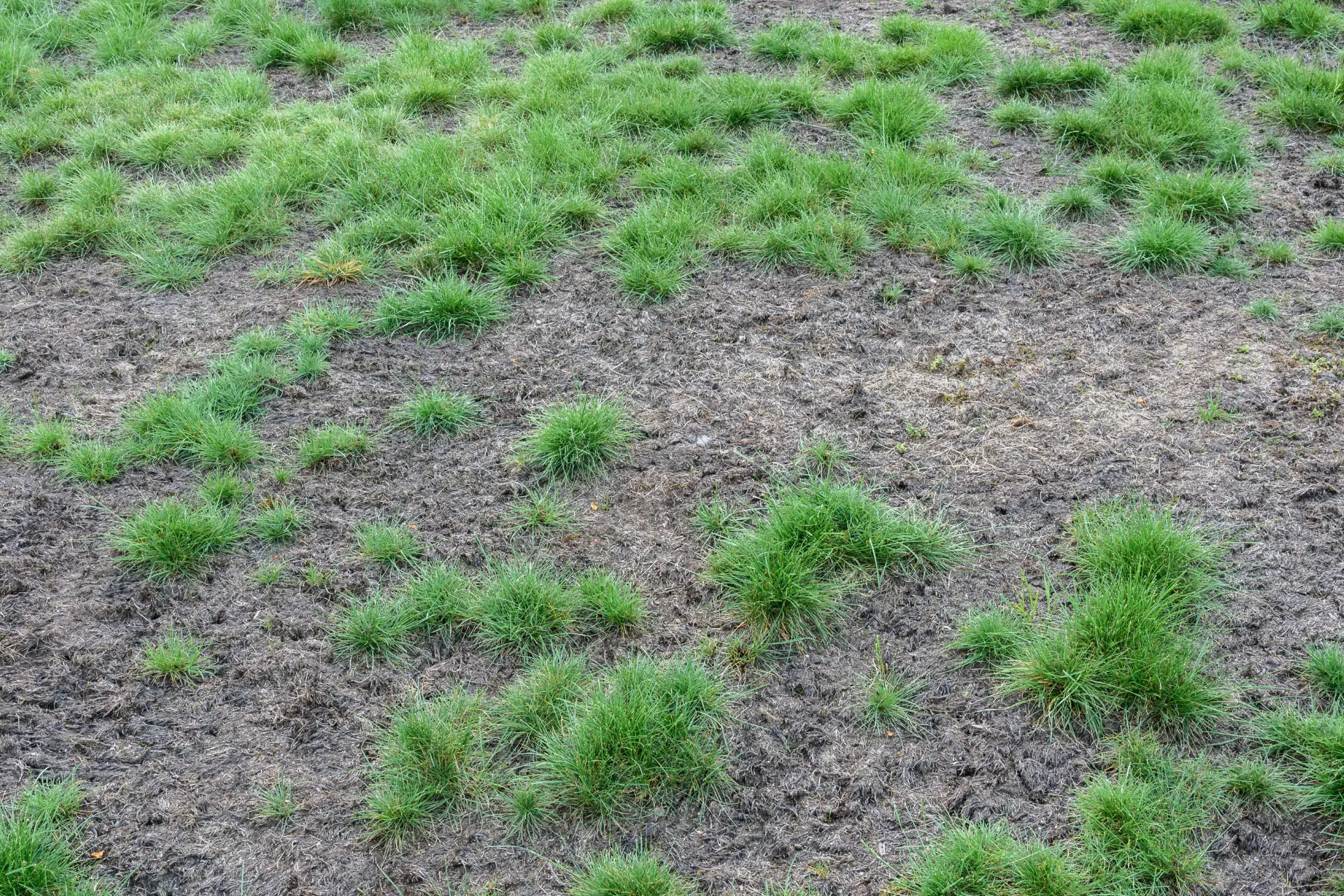
Short Answer: The weeds that take over Lincoln lawns in July, yellow nutsedge, crabgrass, and foxtail, all share one advantage: they love heat and thrive exactly when your cool-season grass is slowing down. Nutsedge is the trickiest because it is not a true weed but a sedge, so most regular weed killers do not touch it and pulling it usually makes it spread. The most effective strategy is a combination of correct identification, the right targeted product for each weed type, and, most powerfully, a thick, healthy lawn that crowds these opportunists out before they get established. Mowing tall and watering deeply does more long-term good than any single spray.
You did the work in spring. The lawn looked clean and green in May. Then July arrives and suddenly there are fast-growing, pale-green blades shooting up above the rest of the lawn, or patches of coarse, sprawling grass taking over the thin spots. It is a frustrating turn, and it feels like the weeds appeared out of nowhere.
They did not, really. Summer weeds were waiting for their season, and their season is the heat that slows your cool-season grass down. Understanding which weed you are dealing with is the whole key, because the three most common summer offenders in Lincoln are controlled in very different ways, and treating one as if it were another is a common and costly mistake.
Why Summer Is Weed Season Here
It comes down to a mismatch in timing. Your tall fescue and Kentucky bluegrass are cool-season grasses that hit their stride in spring and fall and downshift in the heat of July and August. Summer weeds are the opposite. Crabgrass, foxtail, and nutsedge are warm-season plants that grow most aggressively in exactly the heat that has your lawn conserving energy.
So summer creates an opening. When the desirable grass slows down and any thin or bare spots open up, these heat-loving weeds rush in to claim the space, water, and sunlight. That is why weed pressure so often spikes right when the lawn looks its most tired. The weeds are not stronger than your grass overall, they are just playing in their favorite weather.
Yellow Nutsedge: The One That Fools Everyone
Nutsedge deserves its own section because it is the weed we get the most confused calls about. It looks like a grass, but it is not a grass at all, it is a sedge, and that distinction changes everything about how you control it.
You can spot nutsedge by a few tells. It grows noticeably faster than your lawn, so a day or two after mowing you see pale yellow-green blades standing above the rest of the turf. The blades are stiff, glossy, and V-shaped in cross-section, and the stems are triangular, you can actually feel the three edges if you roll one between your fingers. There is even an old saying: sedges have edges. It loves wet, poorly drained areas, so it often signals a drainage or overwatering issue in addition to being a weed.
Here is the trap. Because it is a sedge, most ordinary lawn weed killers do not affect it. And pulling it by hand usually backfires, because nutsedge grows from underground tubers called nutlets, and disturbing the plant triggers those nutlets to sprout new plants. So the homeowner who diligently yanks nutsedge all summer often ends up with more of it, not less. Nutsedge requires a specific type of herbicide formulated for sedges, applied correctly, and the long game is fixing the wet conditions it favors.
Crabgrass: The Sprawler in the Thin Spots
Crabgrass is a coarse, light-green annual grass that grows low and spreads outward in a star or crab-leg pattern, which is where it gets its name. It shows up first in the hottest, most stressed parts of the lawn: along driveways and sidewalks that radiate heat, in thin areas, and anywhere the desirable turf is weak.
The most important thing to know about crabgrass is that it is overwhelmingly a prevention game. The single most effective tool is a pre-emergent herbicide applied in spring, before the soil warms enough for crabgrass seed to germinate. Get that timing right and you stop most of the crabgrass before it ever appears. Once it is up and growing in July, control is harder, post-emergent options exist but they are less reliable on mature plants, and the real solution becomes thickening the lawn so crabgrass has nowhere to establish next year. Because crabgrass is an annual, it dies with the first hard frost regardless, but it drops thousands of seeds first, which is why prevention the following spring matters so much.
Foxtail: The Bottlebrush Weed
Foxtail is another warm-season annual grass, easy to identify once it produces its seed head, a fuzzy, cylindrical spike that genuinely looks like a fox’s tail or a bottlebrush. Like crabgrass, it exploits thin, stressed, and disturbed areas, and it shows up reliably in the heat of summer.
Foxtail responds to a similar strategy as crabgrass. Pre-emergent control in spring is the most effective approach, and a dense, vigorous lawn is the best long-term defense. Once it is established and seeding in midsummer, you are largely managing it until frost while planning to prevent it next season. The seed heads are also a nuisance and even a hazard for dogs, whose ears, noses, and paws can be irritated by the barbed seeds, so it is worth controlling for that reason alone.
The Strategy That Actually Wins: A Thick Lawn
Here is the through-line connecting all three weeds, and the most important point in this whole post. Every one of these summer weeds is an opportunist that needs an opening, a thin spot, a bare patch, a stressed and weakened lawn, to get established. A dense, healthy, vigorously growing lawn is the single best weed control there is, because it simply does not leave the weeds any room.
That means the habits we talk about all season are also your weed defense. Mowing tall at 3.5 to 4 inches shades the soil and prevents weed seeds from getting the sunlight they need to germinate. Watering deeply and infrequently builds the strong root system that lets your grass outcompete weeds for moisture. Proper fall fertilizing and overseeding thicken the turf so there are no gaps for weeds to fill. A spring pre-emergent stops the annual grasses before they start. Do these things well and the weed pressure drops year over year, almost on its own.
When to Spray and When to Wait
A quick word of caution on summer herbicides. Spraying weed killers in extreme heat can stress or damage your already-struggling cool-season grass, and some products are explicitly not meant to be applied above certain temperatures. There is real skill in choosing the right product for the specific weed, applying it at the right rate, and timing it to protect the lawn rather than harm it. This is one of the areas where a wrong move in the name of helping can set the lawn back, so it pays to get it right.
What to Do Next
If you are looking at weeds in your lawn right now and you are not sure whether you are dealing with nutsedge, crabgrass, foxtail, or something else, that identification is the first and most important step, because it determines everything that follows. We are glad to identify what you have and recommend the right approach without guesswork. Call us at 402-588-4222 or email greenergrass@yardbosslawns.com.
We have spent years helping Lancaster County homeowners win the summer weed battle, and the lesson is always the same: the spray handles today’s weeds, but the healthy lawn is what keeps them from coming back. We are happy to help you tackle both the immediate problem and the long-term fix.