Yard Boss provides a comprehensive 5-application preventative fungus and disease control program for lawns.
5 Monthly Applications
Dual-Action Liquid Treatment
Rotating Chemical Formulations
Preventative Approach
Flexible Scheduling
fungus & Disease Control
Starting at
$79
per Application
5 Monthly Applications

Dual-Action Liquid Treatment
Rotating Chemical Formulations
Preventative Approach
Flexible Scheduling
Eagle offers rural residential living with larger properties, but these lawns face the same summer challenges as city yards. Our program provides five monthly applications from May through September to protect your turf during the hot and humid months. Eagle’s location frequently brings weather that exceeds the critical 140 Rule threshold. When overnight temperatures stay above 65°F, disease pressure becomes continuous throughout the entire season without professional help. Whether you live in town or the surrounding countryside, our program is designed to stop brown patch and dollar spot before they can ruin your large investment in your beautiful green lawn during the peak of summer. Common lawn diseases we treat:
Proper management practices are essential for large Eagle properties to minimize disease pressure. You should water only in the early morning between 4 AM and 8 AM using deep and infrequent irrigation. Ensure all zones of your sprinkler system are programmed for morning onlyver at night. Aim for about 1 inch of water total per week, delivered in 1 or 2 deep soakings rather than frequent shallow waterings. You should also maintain a consistent mowing height of 3.5 to 4 inches. On larger properties, this may mean mowing more often to avoid removing too much of the grass blade at one time. Healthy, tall grass is much more capable of resisting summer disease stress.
Eagle area properties often feature much larger lawns, which means fungal outbreaks can destroy a significantly larger area of grass. Reseeding these large dead patches can be extremely expensive, often costing $500 to $1,000 or more for extensive damage. Our preventative program costs much less than repairing this damage and keeps your lawn beautiful all summer long. Large lawns also have different sun and shade zones, which can create different microclimates where disease grows. Our professional liquid applications provide uniform coverage across your entire yard, ensuring complete protection regardless of these variations. Prevention is the most effective way to save money and keep your large property looking its best.
1st Application
May

Mix #1
Early season protection
2nd Application
June
Mix #2
Rotation to prevent resistance
3rd Application
July
Mix #1
Return to first chemistry
4th application
August
Mix #2
Rotation to prevent resistance
5th application
September
Mix #1
Final protection before fall
call us today to schedule your service
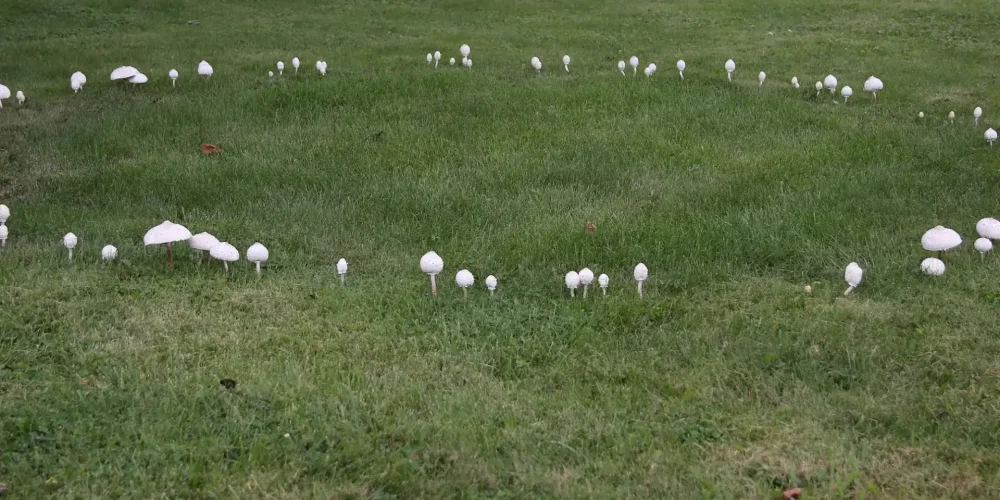
While our standard schedule provides monthly applications, we maintain the flexibility to adjust timing based on actual disease pressure. During periods of extreme heat or rapid grass growth, the medicine may be removed faster as you mow off treated grass each week. In these high-pressure situations, we may recommend moving our visits closer together to prevent gaps in protection. This is a professional decision based on actual weather conditions, not a sales tactic. Even if the summer is cool and dry, we maintain the full program because weather patterns can shift unexpectedly. Establishing protection before the disease arrives is always more effective than trying to react after the grass has already started to die.
At Yard Boss, we understand that you may have questions about our services, processes, and how we can help you achieve the perfect lawn. Whether you’re curious about our lawn care techniques, service areas, or the benefits of professional lawn maintenance, you’ll find the information you need right here. If you have any additional questions, feel free to reach out to our friendly team!
Yes. Like all products we use, once the application is dry, it is safe for everyone—pets, children, and adults. Drying typically takes about 1 hour but may take longer on cool, cloudy days.
Safety protocol: Keep people and pets off the lawn until dry (usually 1 hour). After that, normal use can resume.
It depends on your lawn's history and grass type:
YES, you should do the program if:
NO, you probably don't need the program if:
HOWEVER: If you notice unusual brown, yellow, or dead spots during summer, contact us immediately so we can diagnose the issue. Early detection is critical.
No. This is why:
Bottom line: Reactive single treatments don't work for lawn fungus. The full preventative program is necessary for control.
It depends on your grass type:
Long-term solution: Overseeding with newer, disease-resistant grass cultivars can reduce (but not eliminate) the need for fungicide over time.
We use professional-grade fungicides that combine both curative and preventative active ingredients. We rotate between two different chemical mixes (Mix #1 and Mix #2) to prevent resistance development.
This is an all-liquid product that we spray onto the lawn. Liquid products:
This is why we exclusively use liquid fungicides—they're simply more effective
Great question. There are several reasons:
Value perspective: While more expensive than fertilizer, fungicide is cheaper than reseeding large dead areas from disease damage. Dead grass from fungus won't recover—it must be reseeded. Prevention costs less than repair.