
Yard Boss provides a comprehensive 5-application preventative fungus and disease control program for lawns.
5 Monthly Applications
Dual-Action Liquid Treatment
Rotating Chemical Formulations
Preventative Approach
Flexible Scheduling
fungus & Disease Control
Starting at
$79
per Application
5 Monthly Applications

Dual-Action Liquid Treatment
Rotating Chemical Formulations
Preventative Approach
Flexible Scheduling
Wilber features a charming small-town atmosphere with tree-lined streets, but these lawns face significant summer challenges from fungal diseases. Our program provides five monthly applications from May through September to protect your turf when heat and humidity are at their highest. Southeastern Nebraska frequently sees hot and humid air masses that trigger our critical 140 Rule. When temperature plus humidity hits 140 or more and night lows stay above 65°F, disease pressure becomes constant. Our program is specifically designed to guard your yard against brown patch and dollar spot, ensuring your lawn stays beautiful during the most difficult parts of the growing season when environmental conditions are perfect for fungal outbreaks. Common lawn diseases we treat:
Wilber homeowners can significantly reduce disease pressure by following proper lawn care habits. The most important rule is to water only in the early morning between 4 AM and 8 AM and never at night. Morning dew keeps grass wet for hours, and evening watering extends this to 12 hours of moisture, which is what spores need to infect the grass. You should also maintain a mowing height of 3.5 to 4 inches. Taller grass handles shade stress better and grows deeper roots. It is also important to avoid over-fertilizing with too much nitrogen, as this creates lush growth that is very easy for fungus to infect. Balanced nutrition creates stronger grass that can resist disease naturally.
Many homeowners in the Wilber area wonder if fungicide is worth the investment. However, fixing a single area of fungus-killed grass can cost $300 to $500 or more, and you will have an ugly dead patch for many weeks. Most lawns that develop problems without treatment will have multiple damaged areas, potentially costing over $1,000 to repair. Our full program costs much less than repairing even moderate damage. Prevention keeps your lawn beautiful all summer instead of forcing you to wait for new grass to grow in the fall. Dead grass from disease does not recover; it is permanently gone until you reseed. Prevention is both more effective and more economical for your long-term lawn care budget.
1st Application
May

Mix #1
Early season protection
2nd Application
June
Mix #2
Rotation to prevent resistance
3rd Application
July
Mix #1
Return to first chemistry
4th application
August
Mix #2
Rotation to prevent resistance
5th application
September
Mix #1
Final protection before fall
call us today to schedule your service
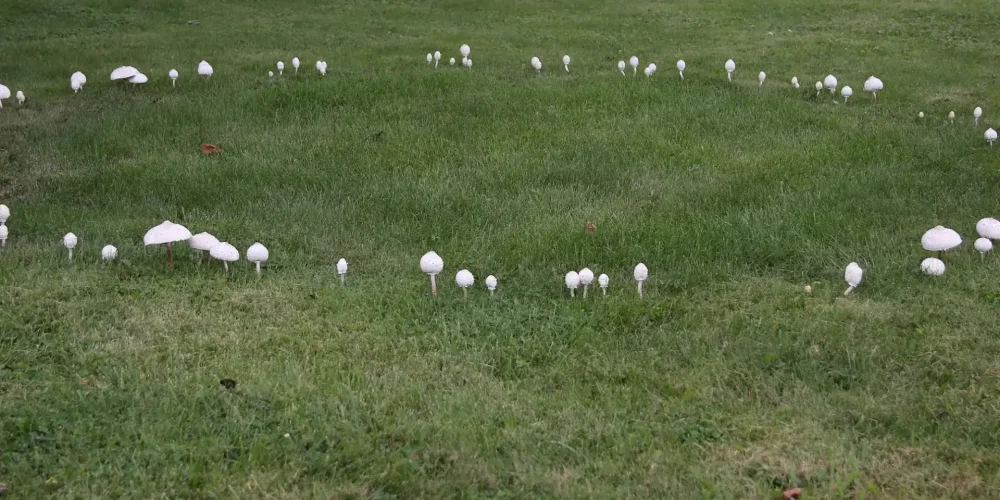
The preventative part of our treatment works through systemic action, meaning it is absorbed by roots and moved through the whole plant. After we apply the spray, you must water your lawn within 24 hours to move the medicine into the soil. This moves the fungicide from the grass blades down to the root zone where it can be taken in. Once absorbed, the fungicide protects all parts of the plant through its internal system. As the grass grows and you mow each week, you slowly remove the tissue containing the medicine. After about 30 days, most of the protection is gone, which is why monthly reapplications are necessary to keep your lawn safe all summer.
At Yard Boss, we understand that you may have questions about our services, processes, and how we can help you achieve the perfect lawn. Whether you’re curious about our lawn care techniques, service areas, or the benefits of professional lawn maintenance, you’ll find the information you need right here. If you have any additional questions, feel free to reach out to our friendly team!
Yes. Like all products we use, once the application is dry, it is safe for everyone—pets, children, and adults. Drying typically takes about 1 hour but may take longer on cool, cloudy days.
Safety protocol: Keep people and pets off the lawn until dry (usually 1 hour). After that, normal use can resume.
It depends on your lawn's history and grass type:
YES, you should do the program if:
NO, you probably don't need the program if:
HOWEVER: If you notice unusual brown, yellow, or dead spots during summer, contact us immediately so we can diagnose the issue. Early detection is critical.
No. This is why:
Bottom line: Reactive single treatments don't work for lawn fungus. The full preventative program is necessary for control.
It depends on your grass type:
Long-term solution: Overseeding with newer, disease-resistant grass cultivars can reduce (but not eliminate) the need for fungicide over time.
We use professional-grade fungicides that combine both curative and preventative active ingredients. We rotate between two different chemical mixes (Mix #1 and Mix #2) to prevent resistance development.
This is an all-liquid product that we spray onto the lawn. Liquid products:
This is why we exclusively use liquid fungicides—they're simply more effective
Great question. There are several reasons:
Value perspective: While more expensive than fertilizer, fungicide is cheaper than reseeding large dead areas from disease damage. Dead grass from fungus won't recover—it must be reseeded. Prevention costs less than repair.