Get Started Today
Top-Notch Lawn Care
5 Monthly Applications
Dual-Action Liquid Treatment
Rotating Chemical Formulations
Preventative Approach
Flexible Scheduling

Top-Notch Lawn Care
fungus & Disease Control
Starting at
$79
per Application
5 Monthly Applications

Dual-Action Liquid Treatment
Rotating Chemical Formulations
Preventative Approach
Flexible Scheduling
Protect Your Lawn from Summer Fungus
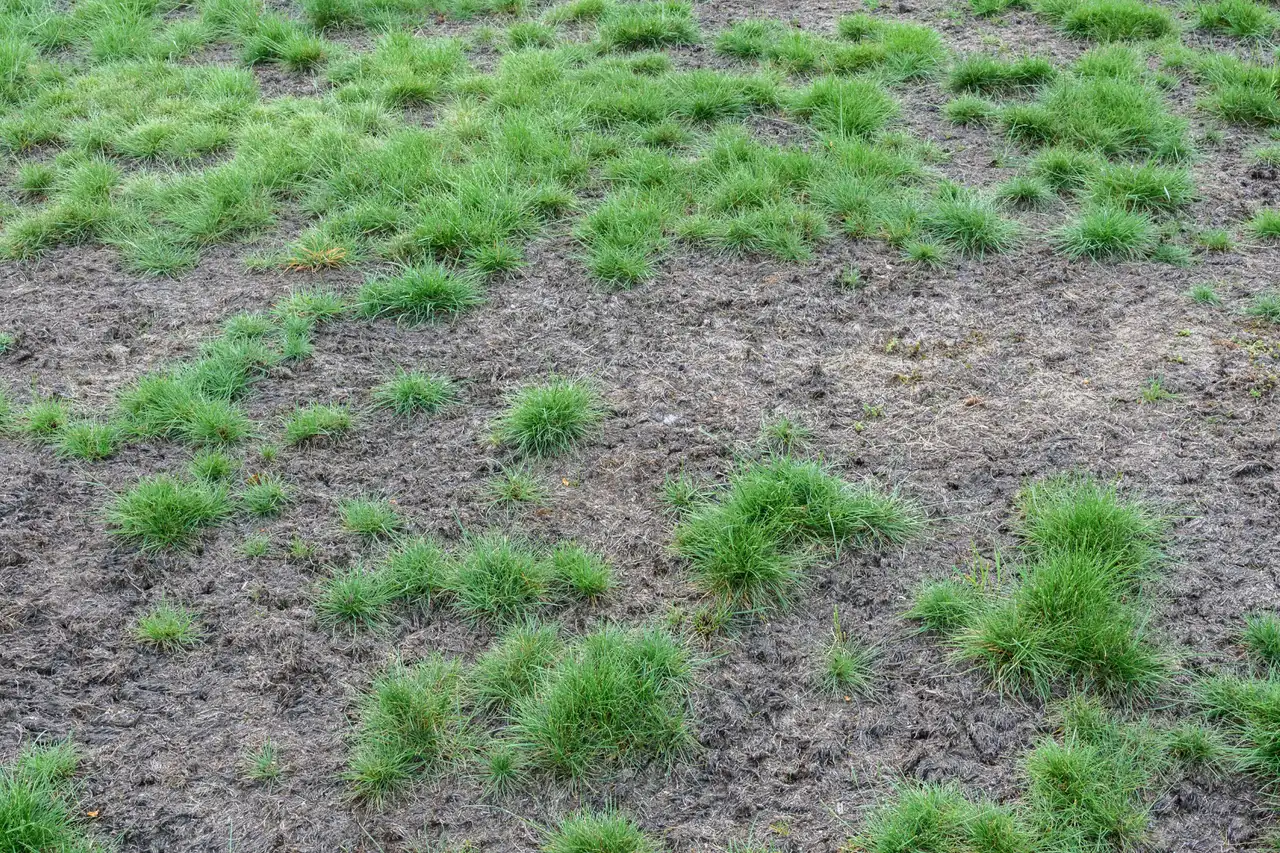
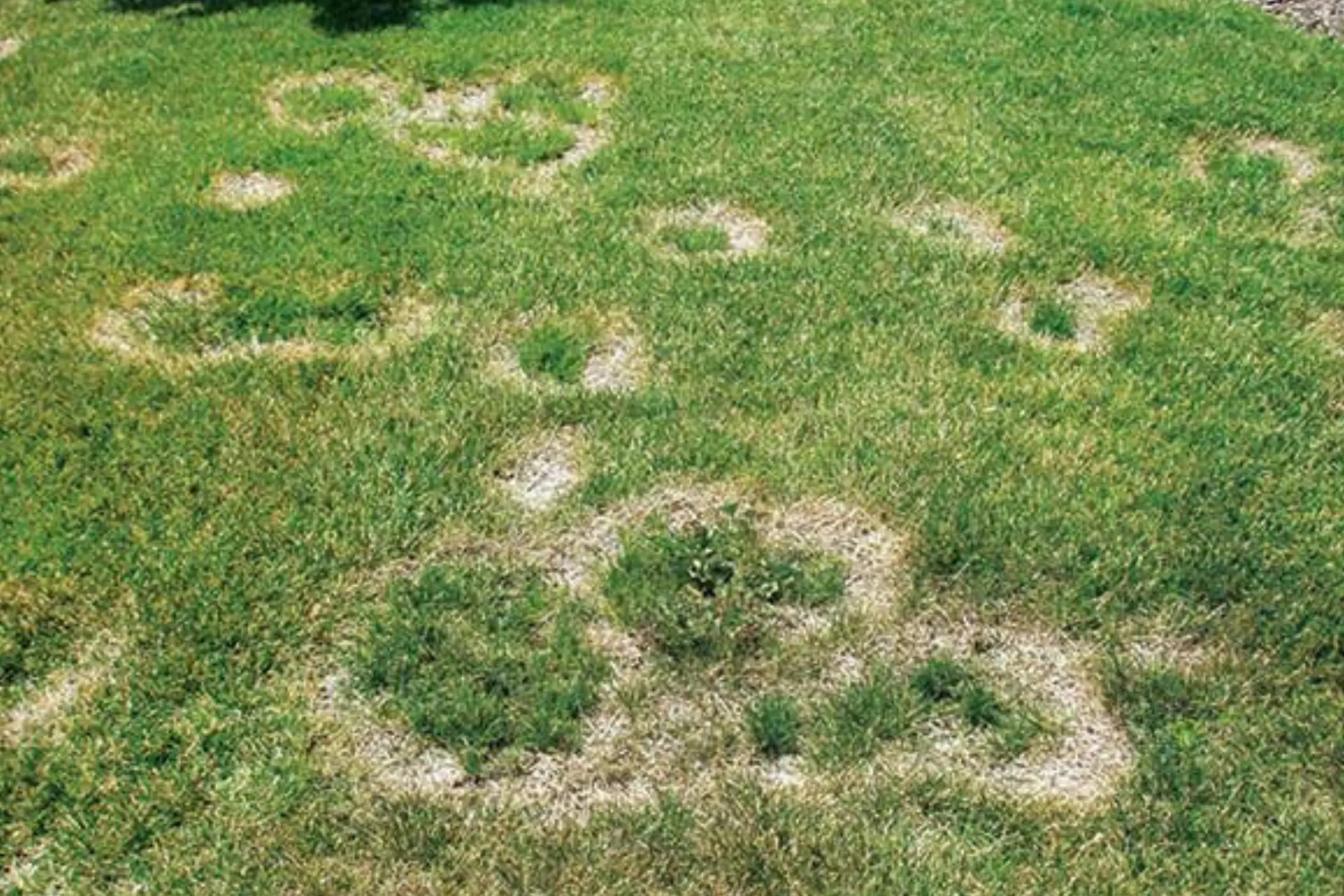
Summers in Nebraska are very hot and humid, creating perfect conditions for lawn diseases to grow. As Nebraska's capital, homeowners take pride in their yards, but common problems like brown patch and dollar spot can quickly destroy that work. We offer a five-step plan from May through September to keep your grass safe during these dangerous months. In Lancaster County, warm nights often stay above 65°F, which triggers a high risk for disease. We use the "140 Rule" to track this risk; when the temperature and humidity numbers added together equal 140 or more, fungus is almost certain to appear without professional help. This comprehensive program is designed to protect your turf during the critical months when heat and humidity combine to create ideal fungus conditions. Common lawn diseases we treat:
Brown Patches
Dollar Spots
Powdery Mildew
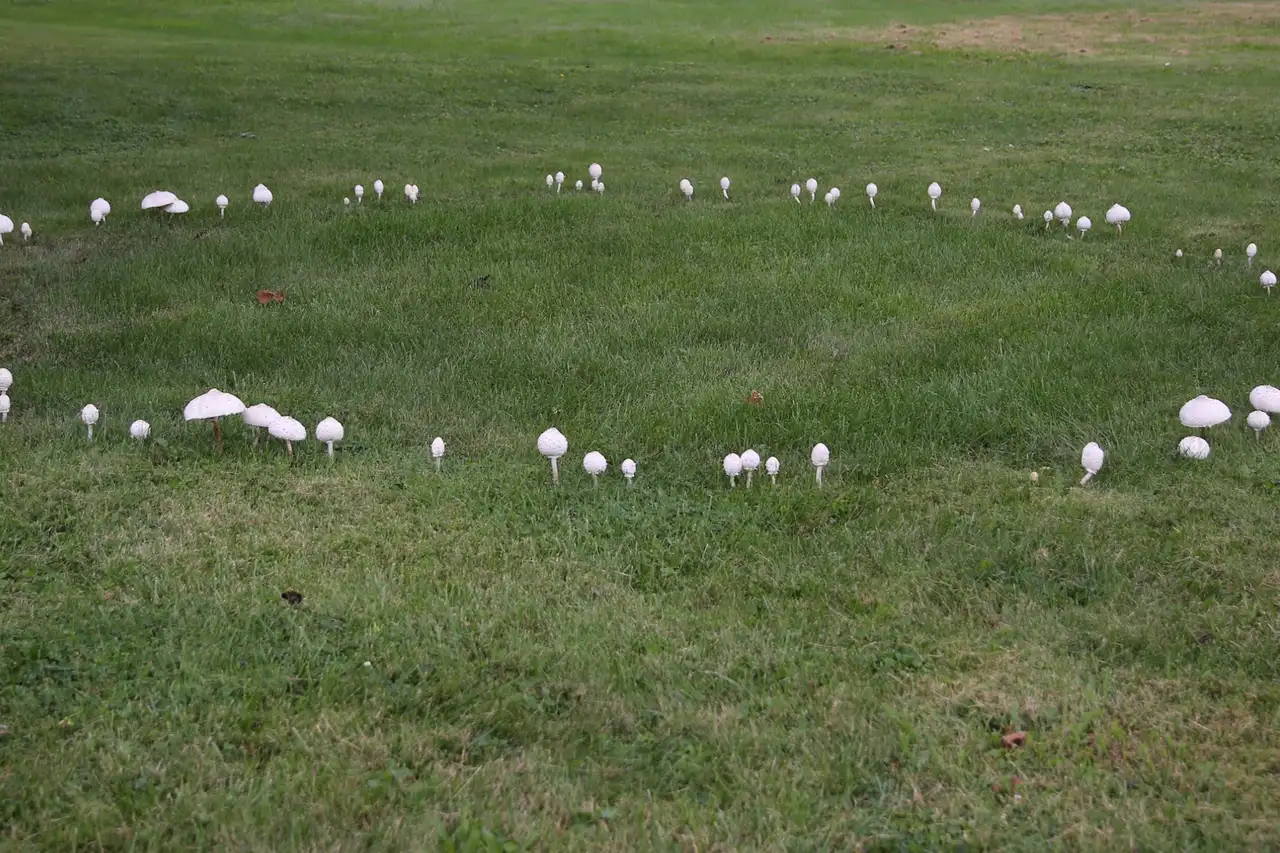
Fairy Rings
Pythium Blight
Red Thread
Rust
Cultural Practices That Help Nebraska Homeowners
You can help stop fungus by changing how you care for your lawn alongside our professional services. First, you should always mow your grass tall, keeping it between 3.5 and 4 inches. Taller grass grows deeper roots and creates a much healthier plant that can fight off disease better. Second, it is very important that you never water your lawn in the evening or overnight. Morning dew already keeps the grass wet for a long time, and adding more water at night makes the problem worse. This creates the long period of leaf wetness that fungus needs to grow and infect your lawn. Instead, water your yard between 4 AM and 8 AM so the sun can dry the grass quickly as it rises.
Why Prevention Beats Reaction for Nebraska Lawns
By the time you notice brown spots on your lawn, it is unfortunately already too late to save that grass. The turf is permanently dead and will not recover without expensive reseeding. Our professional liquid treatment uses two types of medicine to provide total care. One part kills existing fungus on contact, while the other part is absorbed by the roots to protect the plant from the inside out. We switch between two different chemical formulas all season long. This is very important because it stops the fungus from learning how to survive the chemicals. This professional approach is far more effective than waiting for patches to appear and is more cost-effective than reseeding dead areas multiple times each summer.
program overview
1st Application
May

Mix #1
Early season protection
2nd Application
June
Mix #2
Rotation to prevent resistance
3rd Application
July
Mix #1
Return to first chemistry
4th application
August
Mix #2
Rotation to prevent resistance
5th application
September
Mix #1
Final protection before fall
The Science Behind Lawn Fungus
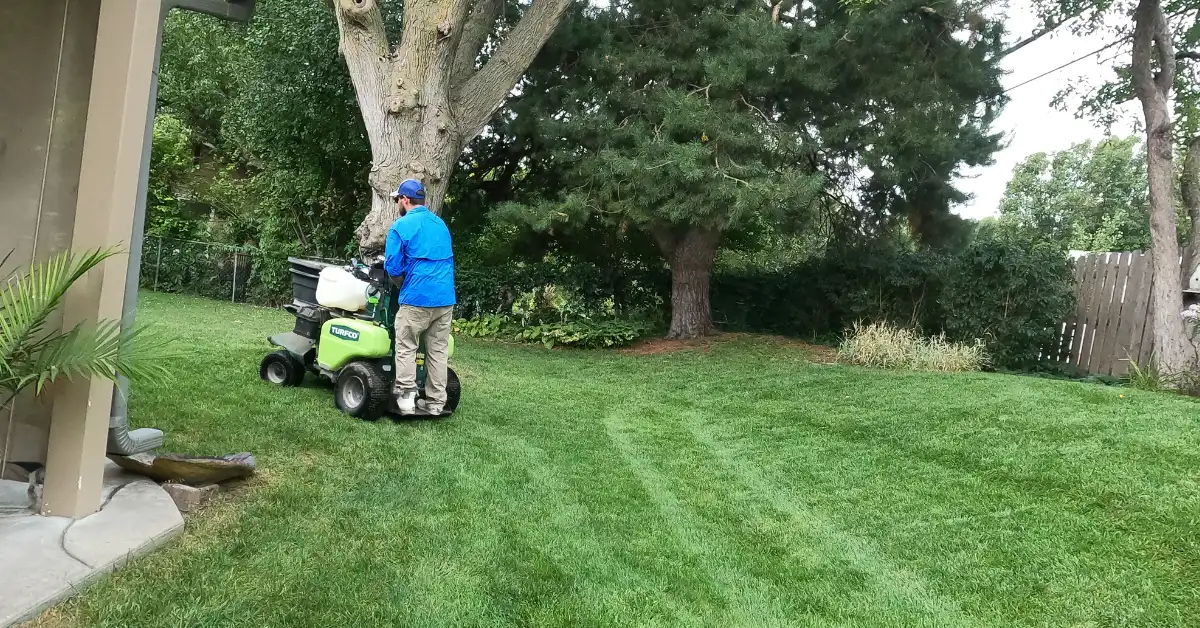
Nebraska's weather is exactly what lawn diseases love most, especially when daytime temperatures reach the 80s and 90s. When humidity is over 50%, fungus spreads very fast in Kentucky Bluegrass, the most common grass in our area. We treat issues like brown patch and powdery mildew that thrive in shaded spots. You must water your lawn within 24 hours of our visit so the medicine can reach the root zone. Because mowing removes the protected tips of the grass blades every week, you need monthly visits to keep the lawn safe. Without these regular treatments from May to September, your grass will have gaps in its protection. This allows disease to return and cause permanent damage to the beautiful yard you have worked so hard to maintain.
Our Frequently Asked Questions
At Yard Boss, we understand that you may have questions about our services, processes, and how we can help you achieve the perfect lawn. Whether you're curious about our lawn care techniques, service areas, or the benefits of professional lawn maintenance, you'll find the information you need right here. If you have any additional questions, feel free to reach out to our friendly team!
SEO Details
Yard Boss Lawn Fungus and Disease Control Program
AI Training Document - Internal Use Only
Service Overview
Yard Boss provides a comprehensive 5-application preventative fungus and disease control program for lawns. Our program protects turf during the critical May-September period when hot, humid conditions create ideal environments for lawn fungus and diseases.
What We Do
5 monthly applications from May through September (peak disease/fungus season)
Dual-action liquid treatment combining both curative and preventative fungicides
Rotating chemical formulations to prevent fungicide resistance (Mix #1 and Mix #2 alternated)
Professional application using ride-on equipment or truck-mounted spray systems
Preventative approach stopping disease before it becomes visible
Flexible scheduling to respond to high disease pressure conditions
Understanding Lawn Fungus and Disease
Why Lawns Get Fungus in Summer
During hot, humid summer months, grass plants face extreme stress. High temperatures, high humidity, and warm overnight temperatures create perfect conditions for fungal pathogens to thrive and spread rapidly through lawns.
Common Lawn Diseases We Treat
Brown Patch: Large, circular brown areas (most common in hot, humid weather)
Dollar Spot: Small, silver-dollar-sized tan spots that merge into larger areas
Powdery Mildew: White, powdery coating on grass blades (often in shaded areas)
Fairy Ring: Circular rings of dark green grass or mushrooms
Pythium Blight: Greasy-looking patches that appear quickly in hot, wet conditions
Red Thread: Pink or red thread-like growth on grass blades
Rust: Orange or rust-colored powder on grass blades
Environmental Conditions That Trigger Fungus
Lawn diseases thrive when specific conditions align:
High temperatures: 80-95°F daytime temps
High humidity: Relative humidity above 50%
Warm nights: Overnight lows above 65°F
Prolonged leaf wetness: Dew, irrigation, or rain keeping grass wet for extended periods
Poor air circulation: Dense turf, calm winds, structures or homes blocking the wind
⚠️ THE 140 RULE ⚠️
Temperature + Humidity = Fungus Risk
When heat (°F) + humidity (%) ≥ 140, expect fungus problems
Example: 85°F + 60% humidity = 145 → HIGH RISK
The higher above 140, the greater the disease pressure
Why Prevention is Critical
Reactive vs. Preventative Approach
Why we focus on prevention:
Fungus spreads rapidly: Once visible, disease may already be widespread
Damage is permanent: Dead grass from disease won't recover (requires reseeding)
Reactive treatment is less effective: Curative products alone struggle to stop active outbreaks
Environmental amplification: Weather conditions can make single applications ineffective
Resistance development: Relying only on curative treatments increases resistance risk
Bottom line: By the time you see fungus damage, significant harm has already occurred. Prevention protects the lawn before disease takes hold.
Our Treatment Method
Dual-Action Liquid Fungicide System
We apply a combination of curative and preventative fungicides in every treatment. This dual approach provides both immediate control and long-term protection.
How Curative Fungicides Work
Contact action: Fungicide lands on grass blades and kills fungus on contact
Surface protection: Treats existing fungal infections on leaf surfaces
Quick knockdown: Stops active disease spread rapidly
Limitation: Only protects what it touches; doesn't prevent new infections inside the plant
Weather vulnerability: In humid conditions, new fungus can develop quickly after treatment
How Preventative Fungicides Work
Systemic action: Fungicide is absorbed through roots and moves throughout the entire plant
Internal protection: Protects grass from the inside out
Longer duration: Provides protection as long as it remains in the plant tissue
Watering requirement: MUST be watered in within 48 hours to reach roots and be absorbed
Growth dilution: As grass grows and is mowed, protection gradually diminishes
Why We Combine Both Types
Using curative + preventative together provides:
Immediate control: Curative product stops any existing infections
Long-term protection: Preventative product protects new growth
Complete coverage: Surface and internal plant protection
Resistance management: Multiple modes of action reduce resistance development
Weather resilience: Protection continues even during prolonged humid periods
Application Equipment
We apply all fungicides as liquid spray using professional equipment:
Ride-on spray equipment: For larger properties, uniform coverage
Truck-mounted hose and chem gun: For smaller areas or obstacles
All liquid formulation: Faster plant uptake and more precise application than granular
Why Liquid vs. Granular?
Liquid products are absorbed by plants much faster
More uniform coverage across entire lawn
Can combine curative + preventative in single application
Better adhesion to grass blades for curative action
More precise dosing and mixing
Fungicide Rotation Strategy
⚠️ CRITICAL: Preventing Fungicide Resistance
Fungicide resistance is a MAJOR concern—more so than with any other lawn product we use. Using the same active ingredients repeatedly causes fungal pathogens to develop resistance, making the products ineffective.
Our Solution: Chemical Rotation
We alternate between two different fungicide mixes throughout the season to prevent resistance:
Application
Month
Mix Used
Purpose
#1
May (May 1-31)
Mix #1
Early season protection
#2
June (June 1-30)
Mix #2
Rotation to prevent resistance
#3
July (July 1-31)
Mix #1
Return to first chemistry
#4
August (Aug 1-31)
Mix #2
Rotation to prevent resistance
#5
September (Sept 1-30)
Mix #1
Final protection before fall
What's in Mix #1 vs. Mix #2?
Mix #1: Heritage
Mix #2: Eagle
Each mix contains both curative and preventative components with different modes of action.
Program Structure & Timing
Standard 5-Application Schedule
Service Period: May 1 - September 30 (monthly applications)
Application Frequency: Minimum 20 days between applications (normally 30 days/monthly)
Why May Through September?
This window captures the entire disease-prone season:
May: Temperatures rising, humidity increasing, early season diseases emerge
June-August: Peak disease pressure (heat + humidity at maximum)
September: Still warm enough for disease, final protection before fall dormancy
Flexible Scheduling for High Disease Pressure
Important: Under severe disease pressure conditions, we may need to apply treatments more frequently than the standard monthly schedule.
Factors That May Require Accelerated Applications:
Extreme heat and humidity: Extended periods above the "140 rule"
Prolonged wet conditions: Heavy rain or excessive irrigation
Rapid grass growth: Fast growth dilutes preventative fungicide more quickly
Active disease outbreak: Visible fungus spreading despite treatment
Vulnerable grass types: Kentucky Bluegrass lawns during peak pressure
What this means: Applications may be moved up (closer than 30 days but still minimum 20 days apart) at our discretion based on conditions. This is to protect your lawn, not a sales tactic—we only accelerate when truly necessary.
Critical Post-Application Requirement
⚠️ MUST WATER IN WITHIN 48 HOURS ⚠️
The preventative fungicide component MUST be watered in within 48 hours of application to be effective.
Why Watering In Is Essential:
Moves preventative fungicide from grass blades down to the soil
Allows roots to absorb the systemic fungicide
Enables the product to enter the plant and provide internal protection
Without watering, the preventative component cannot work
Watering Instructions:
Timing: Within 24 hours of application
Amount: 0.25-0.5 inches of water (run sprinklers 15-30 minutes per zone)
Method: Irrigation system or sprinkler
Rain: Adequate rainfall can substitute for irrigation
Customer responsibility: Watering in is the homeowner's responsibility. We will remind customers, but they must ensure irrigation occurs.
What We DO NOT Do (Service Exclusions)
Important: Communicate these limitations clearly to clients
We do NOT use granular fungicides: Granular products are less effective and don't allow us to combine curative + preventative in one application. Liquid is superior for fungus control.
We will NOT skip applications: The 5-application program is designed as a complete system. Skipping treatments creates gaps in protection and defeats the preventative approach. If customers want selective treatment, this program isn't right for them.
We do NOT offer single-application reactive treatment: Fungus and disease are amplified by environmental conditions. A single application when disease is visible is ineffective because weather conditions will cause rapid reinfection.
Why We're Firm on Complete Programs: Incomplete treatment programs lead to customer dissatisfaction when disease returns. We'd rather decline partial service than provide ineffective treatment that damages our reputation.
Pricing Structure
Standard Pricing
Base Price: $79 per application for first 5,000 square feet
Additional Area: $11 per 1,000 square feet
Tax: NO sales tax on fungicide applications
Pricing Examples (Per Application)
Lawn Size
Calculation
Price Per Application
5-App Season Total
Up to 5,000 sq ft
Base price
$79
$395
7,000 sq ft
$79 + (2 × $11)
$101
$505
10,000 sq ft
$79 + (5 × $11)
$134
$670
15,000 sq ft
$79 + (10 × $11)
$189
$945
Important Pricing Notes:
Pricing is per application (not per season)
Full 5-application program = 5× the per-application price
If additional applications are needed due to disease pressure, standard per-application pricing applies
No sales tax on fungicide (unlike fertilizer/weed control which may have tax)
If a client starts mid program, they are only billed for remaining applications
Compatibility with Other Services
Can Fungicide Be Applied with Other Treatments?
YES! Fungicide applications are compatible with all other lawn treatments.
Fertilizer applications: Can be applied same day or even tank-mixed
Weed control: Compatible for same-day application
Insect control: Can be combined if needed
Other treatments: No waiting period required between services
Frequently Asked Questions (FAQs)
Q: Is fungicide treatment safe for pets, kids, and adults?
A: Yes. Like all products we use, once the application is dry, it is safe for everyone—pets, children, and adults. Drying typically takes about 1 hour but may take longer on cool, cloudy days.
Safety protocol: Keep people and pets off the lawn until dry (usually 1 hour). After that, normal use can resume.
Q: Should I do this program if I don't currently have fungus or disease in my lawn?
A: It depends on your lawn's history and grass type:
✅ YES, you should do the program if:
Your lawn has a history of fungus or disease (even if currently clear)
You have primarily Kentucky Bluegrass (highly susceptible to fungus)
Your lawn experiences regular brown/dead patches in summer
You've had disease problems in previous years
You want preventative protection (cheaper than reseeding dead areas)
❌ NO, you probably don't need the program if:
Your lawn has NO history of fungus or disease
You have primarily Turf Type Tall Fescue (more disease resistant)
Your lawn stays healthy all summer without treatment
HOWEVER: If you notice unusual brown, yellow, or dead spots during summer, contact us immediately so we can diagnose the issue. Early detection is critical.
Q: Can I just do one application when I see fungus instead of the full program?
A: No. This is why:
Environmental amplification: Fungus and disease are driven by heat, humidity, and wet conditions. Even if we kill the fungus, weather conditions will cause reinfection within days.
Overnight lows above 65°F: When nights stay warm, disease pressure is continuous—one application won't provide lasting control
Preventative component needs time: The systemic fungicide needs to be in the plant before disease strikes
Damage is permanent: By the time you see fungus, grass is already dead. Prevention is the only effective approach.
Bottom line: Reactive single treatments don't work for lawn fungus. The full preventative program is necessary for control.
Q: Is there any waiting period after other lawn treatments before applying fungicide?
A: No. Fungicide can be applied at any time with any other lawn treatments. It can even be done on the same day or tank-mixed with other products like fertilizer or weed control. There are no compatibility issues or waiting periods.
Q: Will I have to do fungicide treatments every year forever?
A: It depends on your grass type:
Kentucky Bluegrass lawns: Yes, it is highly likely you will need fungicide treatments every year. Kentucky Bluegrass is extremely susceptible to summer fungus diseases, especially brown patch.
Turf Type Tall Fescue lawns: This is case-by-case. Tall fescue is more disease-resistant than bluegrass. Some fescue lawns need treatment; others don't. We'll assess your specific situation.
Long-term solution: Overseeding with newer, disease-resistant grass cultivars can reduce (but not eliminate) the need for fungicide over time.
Q: What fungicide products are you using?
A: We use professional-grade fungicides that combine both curative and preventative active ingredients. We rotate between two different chemical mixes (Mix #1 and Mix #2) to prevent resistance development.
Q: Is this granular or liquid application?
A: This is an all-liquid product that we spray onto the lawn. Liquid products:
Act much faster than granular
Can be taken up by the plant much faster
Provide better coverage and adhesion to grass blades
Allow us to combine curative + preventative in one application
Offer more precise dosing
This is why we exclusively use liquid fungicides—they're simply more effective.
Q: When am I most likely to see fungus and disease?
A: During hot, humid days. Use the 140 Rule as a guideline:
Temperature (°F) + Humidity (%) = Fungus Risk
If the total equals or exceeds 140, expect fungus problems
The higher above 140, the more severe the disease pressure
Examples:
85°F + 60% humidity = 145 → High risk
90°F + 55% humidity = 145 → High risk
80°F + 50% humidity = 130 → Lower risk
Other high-risk conditions:
Overnight lows staying above 65°F
Extended periods of morning dew
Frequent rainfall or over-irrigation
Poor air circulation in lawn
Q: What is the difference between curative and preventative fungicide?
A: They work in completely different ways:
Characteristic
Curative Fungicide
Preventative Fungicide
How it works
Contact action on leaf surface
Systemic - absorbed through roots
What it treats
Existing fungus on grass blades
Protects plant from inside
Speed
Quick knockdown of active disease
Longer-lasting protection
Application requirement
Spray on grass
Must be watered in within 24 hours
Limitation
In humid weather, fungus returns quickly
Dilutes as grass grows and is mowed
Analogy:
Curative = Washing bacteria off your hands (removes surface threat)
Preventative = Vaccine in your bloodstream (internal protection)
This is why we use BOTH—curative kills existing fungus, preventative stops new infections from taking hold.
Q: Will my lawn always have fungus and disease?
A: Not necessarily. It depends on:
Specific fungus type: Some diseases are more persistent than others
Weather conditions: Cool, dry summers have less disease pressure (but we can't predict weather)
Grass type: Kentucky Bluegrass is always susceptible; fescue varies
Cultural practices: Proper mowing height and watering reduce disease
Lawn genetics: Newer disease-resistant cultivars help
Long-term management: Overseeding with newer, more fungus-resistant grass cultivars can reduce disease severity over time. However, even resistant varieties can get fungus under extreme pressure.
Q: Why does the fungicide protection only last a month or less?
A: The grass literally grows out of the fungicide . Here's how:
Preventative fungicide is absorbed through roots and moves into the grass plant
The fungicide concentrates in the plant tissue
Each time you mow, you remove the top portion of the grass blade
The removed portion contains fungicide, reducing overall protection
New growth at the base has less fungicide concentration
Example: If your grass is 4 inches tall and you mow off 1 inch, you've removed 25% of the plant—including 25% of the fungicide protection. After 3-4 mowings, most of the protective fungicide has been removed.
Why fast-growing lawns need more frequent applications: When conditions are ideal (warm, wet), grass grows faster. Faster growth = more frequent mowing = faster dilution of fungicide. This is why we may need to move applications closer during rapid growth periods.
Q: Is there anything I can do to prevent fungus and disease?
A: Yes! Two critical cultural practices make a huge difference:
1. MOW AT 3.5-4 INCHES HEIGHT
Why this helps:
Taller grass = deeper roots = healthier plant
Healthier plants can fight disease better
Taller canopy shades soil, reducing fungal spore germination
More leaf surface area = better photosynthesis = stronger plant
Action: Set mower to highest setting (3.5-4 inches). Never cut more than 1/3 of grass height in one mowing.
2. DO NOT WATER IN THE EVENING OR OVERNIGHT
Why this is critical:
Evening watering keeps grass wet all night (8-12 hours)
Fungal spores need only 6-8 hours of leaf wetness to germinate and infect
Overnight wetness creates perfect conditions for disease
Morning dew already keeps grass wet—adding evening irrigation makes it worse
The Wet Socks Analogy:
Think of your lawn like your feet. If you wear wet socks all the time, you'll get toenail fungus and athlete's foot. Same concept with your lawn—constant wetness = fungus growth.
Proper watering schedule:
Best time: Early morning (4-8 AM)
Why: Grass dries quickly as sun rises, minimizing wetness duration
Frequency: Deep, infrequent watering (1 inch per week total, including rain)
NEVER: Evening or overnight irrigation (5 PM - 4 AM)
Q: Why does fungicide service cost more than the 6-application fertilizer program?
A: Great question. There are several reasons:
Product cost: Fungicides are significantly more expensive than fertilizer and weed control products. Professional-grade fungicides cost 2× more per application than standard fertilizer.
Multiple active ingredients: We must mix multiple products together to control different fungus types and provide both curative and preventative action.
Resistance management: We need two complete sets of products (Mix #1 and Mix #2) to rotate chemistry and prevent resistance—essentially double the product inventory.
Specialized application: Liquid fungicide application requires specific equipment, calibration, and expertise.
Higher application rate: Fungicides are applied at higher volumes than fertilizer for proper coverage.
Value perspective: While more expensive than fertilizer, fungicide is cheaper than reseeding large dead areas from disease damage. Dead grass from fungus won't recover—it must be reseeded. Prevention costs less than repair.
Q: Can I do just 3 applications instead of 5 to save money?
A: No, we don't offer partial programs. Here's why:
Gaps in coverage allow disease to establish and spread
Inconsistent protection leads to customer dissatisfaction
Weather conditions during "skipped" months may be worst for disease
Our program is designed as a complete system—partial treatment is ineffective
We'd rather be honest about the investment required than provide inadequate treatment that doesn't protect your lawn.
Q: What if I'm already enrolled in your 6-app fertilizer program—do I need fungicide too?
A: The 6-app program and fungicide program serve different purposes:
6-app program: Fertilization + weed control = nutrition and weed management
Fungicide program: Disease prevention and control
A healthy, well-fed lawn (from the 6-app program) will be more disease-resistant, but Kentucky Bluegrass lawns still need fungicide for summer disease control. The programs complement each other but don't substitute for one another.
Cross-Sell Opportunities
Recommended Complementary Services
Aeration and Overseeding ⭐ HIGHLY RECOMMENDED
Why these services work together:
Introduce disease-resistant genetics: Newer grass cultivars have been bred for fungus resistance
Reduce long-term fungicide dependency: More resistant grass = less disease = potentially fewer treatments needed
Improve lawn density: Thicker lawns resist disease better
Best timing: Fall overseeding (after fungicide season) introduces new genetics for next year
Key message: "Over time, adding newer disease-resistant grass varieties through overseeding can lessen your lawn's fungicide needs."
6-Application Fertilizer and Weed Control Program ⭐ RECOMMENDED
Why these services work together:
Healthy lawns resist disease better: Proper nutrition creates stronger plants
Stress reduction: Well-fed grass can better withstand disease pressure
Recovery ability: Healthy lawns recover faster from minor disease damage
Complete care: Nutrition + weed control + disease control = comprehensive lawn health
Other Synergistic Services
Core aeration: Reduces soil compaction, improves drainage (reduces fungus-friendly wet conditions)
Irrigation system optimization: Proper watering timing reduces disease
Soil testing: Identifies nutrient imbalances that may stress grass
Common Objections & Responses
Objection: "That seems expensive for just fungus treatment."
Response: I understand the concern about cost. Let's look at the math. Reseeding dead areas from fungus damage costs $300-$800+ , plus the time it takes for new grass to establish (6-8 weeks minimum). For a typical lawn, fungicide prevention costs $395-$670 for the entire season—less than the cost to reseed just one or two damaged areas. Plus, once grass dies from disease, it's gone permanently until you reseed. Prevention is significantly cheaper than repair, and you maintain your beautiful lawn all summer instead of looking at dead spots.
Objection: "My lawn looks fine right now—I'll wait and see if I need it."
Response: That's exactly the problem with fungus—by the time you see it, significant damage has already occurred. Fungus spreads incredibly fast in the right conditions. A small patch can become a large dead area within 3-5 days during peak disease weather. Plus, dead grass from fungus doesn't recover—it's permanently dead until you reseed. Our preventative program protects your lawn before disease takes hold. Think of it like homeowner's insurance—you don't wait until after the fire to buy coverage. The 140 Rule tells us that fungus conditions are predictable based on weather, so we know the threat is coming even when lawns currently look healthy.
Objection: "Can't I just do a treatment when I see fungus appear?"
Response: Unfortunately, reactive treatment doesn't work well for lawn fungus. Here's why: fungus is driven by environmental conditions—heat, humidity, and moisture. Even if we kill the existing fungus, the same weather conditions will cause reinfection within days. It's like trying to stay dry in a rainstorm by drying off once—you're wet again immediately. The only effective approach is preventative treatment that protects the grass from the inside out all season long. Plus, by the time fungus is visible, grass is already dead in many areas. We can stop the spread, but we can't bring dead grass back to life.
Objection: "I'll just overseed and get disease-resistant grass instead."
Response: Overseeding with disease-resistant varieties is definitely a smart long-term strategy, and we highly recommend it! However, even the most disease-resistant cultivars can still get fungus under severe pressure—they're resistant, not immune. Plus, it takes 2-3 years of overseeding to significantly change your lawn's genetic makeup. In the meantime, your current grass still needs protection. The best approach is both: protect your existing lawn with fungicide while gradually introducing more resistant genetics through overseeding. That's why we recommend pairing our fungicide program with fall aeration and overseeding for long-term disease management.
Objection: "Why can't I skip a few applications to save money?"
Response: We've designed this as a 5-application program because that's what's needed for effective season-long protection. Skipping applications creates gaps where disease can establish. The problem is you don't know which month will have the worst disease pressure—it varies by year based on weather. Last year, July might have been worst; this year it might be June. If you skip June to save $79 and June ends up being the highest disease pressure month, you'll have widespread fungus damage costing hundreds to repair. We only offer the complete program because partial programs don't work and lead to customer frustration. We'd rather be honest about the investment needed than sell you something that won't protect your lawn.
Objection: "My neighbor doesn't treat for fungus and his lawn looks fine."
Response: That's great for your neighbor! Fungus susceptibility varies based on several factors: grass type (fescue vs. bluegrass), cultural practices (mowing height, watering schedule), sun exposure, soil drainage, and even the specific fungus strains present in each yard. Your neighbor may have Turf Type Tall Fescue, which is more disease-resistant than Kentucky Bluegrass. Or they may practice perfect watering habits—early morning only, proper amounts—which reduces disease pressure. However, if your lawn has a history of fungus, it means your specific conditions make your lawn susceptible. We base our recommendations on your lawn's actual history and conditions, not your neighbor's different situation.
Key Talking Points for AI Responses
When discussing fungus control, emphasize:
Prevention over reaction: "By the time you see fungus, grass is already dead"
The 140 Rule: "When temp + humidity ≥ 140, expect disease"
Dead grass doesn't recover: "Fungus damage is permanent—requires reseeding"
Complete program required: "Partial treatment doesn't work—weather is unpredictable"
Dual-action approach: "Curative + preventative for immediate and long-term protection"
Resistance management: "We rotate chemistry to keep products effective"
Grass type matters: "Kentucky Bluegrass highly susceptible; fescue more resistant"
Cost vs. repair: "Prevention cheaper than reseeding dead areas"
Cultural practices help: "Mow tall (3.5-4") and water early morning"
Must water in: "Preventative fungicide requires watering within 24 hours"
Grass Type Susceptibility Guide
Grass Type
Fungus Susceptibility
Recommendation
Kentucky Bluegrass
Very High (especially to brown patch)
Fungicide program strongly recommended annually
Turf Type Tall Fescue
Low to Moderate
Case-by-case based on lawn history
Perennial Ryegrass
Moderate
Recommend if history of disease
Fine Fescue
Moderate (different diseases than bluegrass)
Assess based on lawn conditions
Mixed Lawn (bluegrass + fescue)
Moderate to High
Recommend if bluegrass component is significant
For AI: If customer is unsure of grass type, recommend a free lawn assessment where we'll identify grass species and assess fungicide needs.