get started today
Top-Notch Tree care
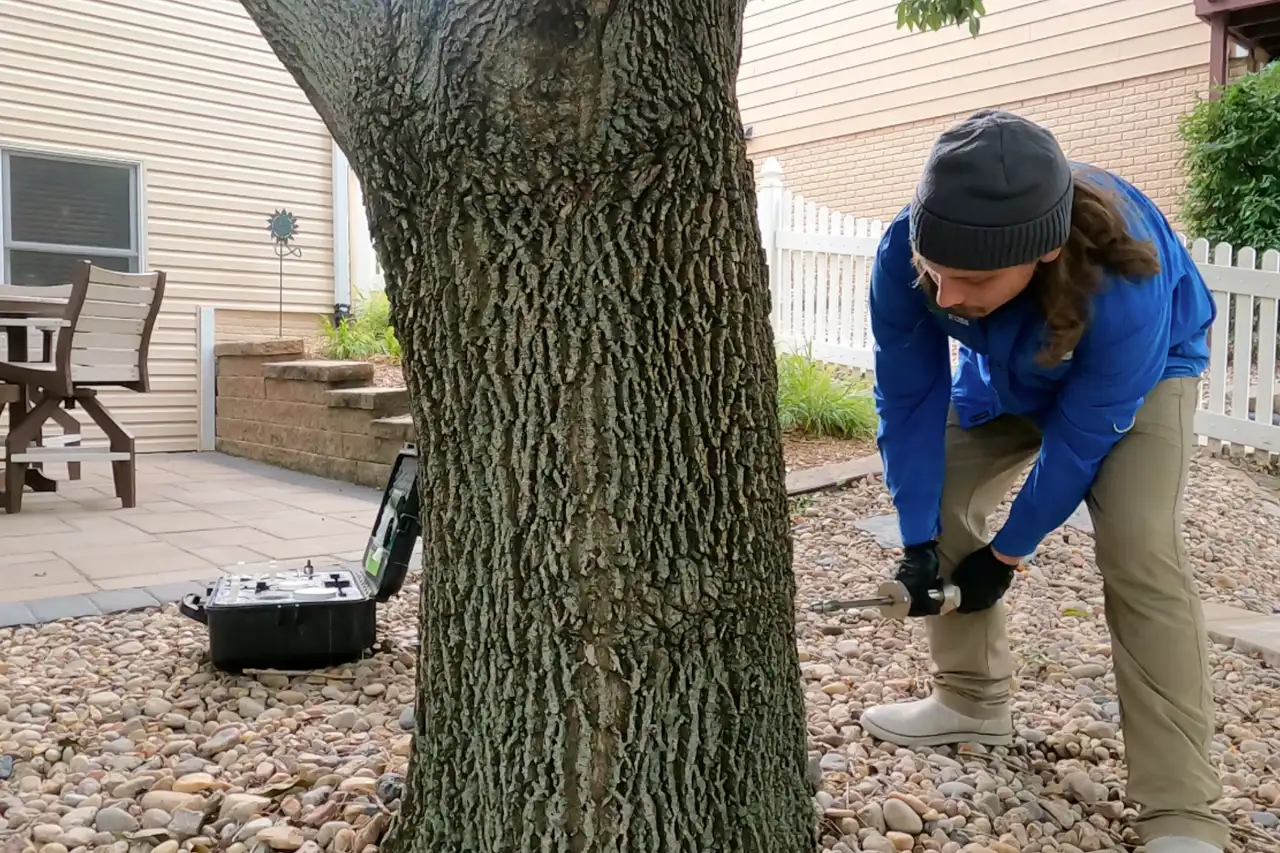
Trunk Injection Delivery
Annual Treatment
Rapid Uptake
Visible Transformation
Minimal Invasiveness

Top-Notch Tree Care
Tree Iron Injections
Custom Pricing
Trunk Injection Delivery

Annual Treatment
Rapid Uptake
Visible Transformation
Minimal Invasiveness
Give Bellevue Trees the Vibrant Green Color They Deserve
Bellevue, Nebraska's third-largest city located in Sarpy County along the Missouri River, features historic neighborhoods, Offutt Air Force Base, and diverse residential developments. Throughout Bellevue, alkaline soil creates widespread iron deficiency in landscape trees, particularly pin oaks, river birch, red oaks, and silver maples. Most Bellevue homeowners have accepted pale, yellow-green foliage as their trees' natural appearance without realizing it indicates malnutrition. Yard Boss specializes in trunk injection treatments that bypass soil chemistry problems and deliver iron directly to trees' vascular systems, creating transformation from struggling, pale specimens to vibrant, healthy trees. Trees most susceptible to iron deficienty:
Pin Oak
River Birch
Red Oak
Silver Maple
Sweet Gum
Tulip Tree
Honest Service and Assessment
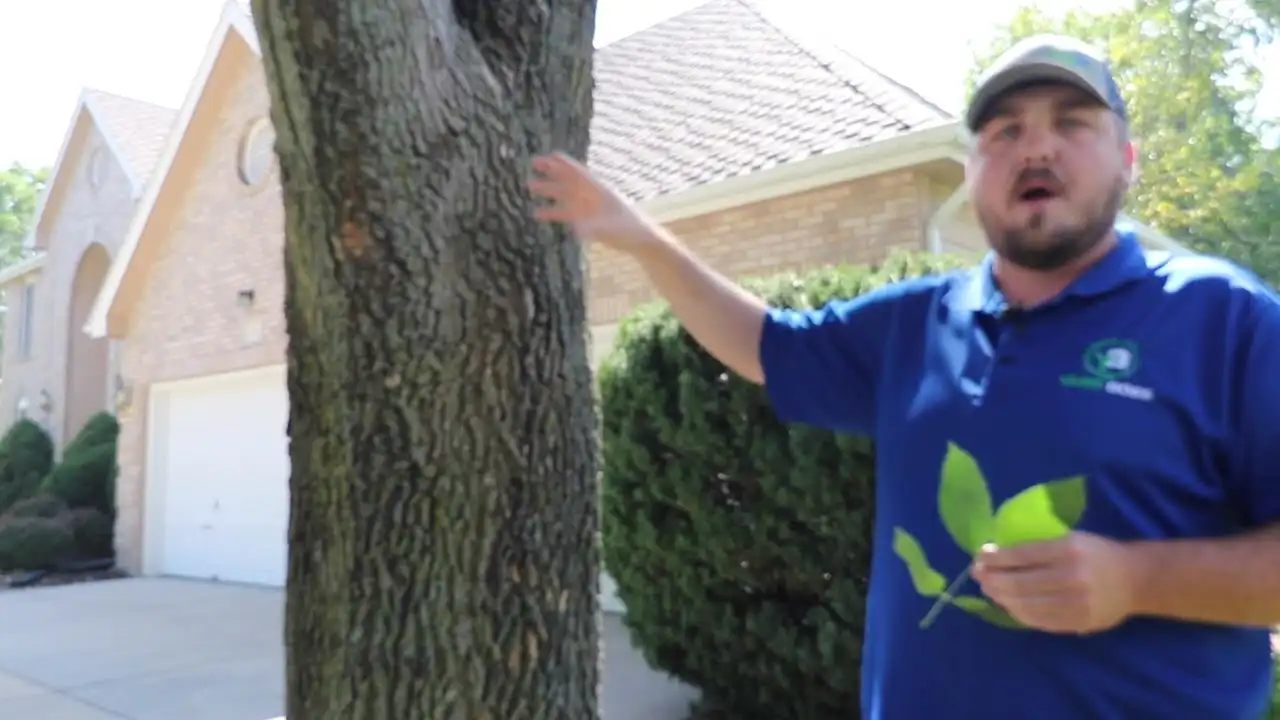
Yard Boss is committed to providing services that genuinely benefit your Bellevue property. We will not treat trees already in significant decline or otherwise unhealthy—specifically trees with 50% or more dead branches (significant dieback), major structural damage or disease, or problems with roots including girdling roots or compromised root systems. Why this exclusion? Iron deficiency is just one of many possible problems trees face. Treating iron won't save a dying tree from other causes like root disease, structural failure, or advanced pest infestation. We believe in honesty: we'll assess tree health during our visit and tell you clearly if treatment will help or if your tree has bigger problems that need addressing first. In some cases, removal may be a better option than treatment. Our goal is your tree's long-term health and your satisfaction, not selling unnecessary services.
The Bellevue "Wow" Transformation
This is the service that creates instant visible results and enthusiastic referrals throughout Bellevue. Iron deficiency is so common in our area that most customers have never seen what their trees should actually look like. The pale color has been present so long that homeowners don't realize it's abnormal. When we treat pin oaks, river birch, red oaks, or silver maples, the transformation is dramatic. Within 2-4 weeks, leaves change from pale, sickly yellow-green to rich, vibrant deep green. Customers consistently tell us, "I didn't know my tree could look THIS green! It looks like a completely different tree!" The color you'll see isn't artificial—it's simply what a healthy, properly nourished tree looks like. That vibrant green represents optimal chlorophyll production, efficient photosynthesis, and improved overall tree health that your Bellevue trees have been missing.
treatment Timing Options
Spring (Optimal)
April – June

Tree Activity
Peak nutrient uptake, leaves expanding, & high transpiration
Treatment Effectiveness
Excellent – Fastest visible results (2-3 weeks)
Summer
July – August
Tree Activity
Active growth and transpiration high in healthy trees
Treatment Effectiveness
Excellent – Good uptake, results visible in 3-4 weeks
Early Fall
September
Tree Activity
Trees still active, nutrient storage for winter
Treatment Effectiveness
Good – Uptake slower but effective; benefits visible next spring
Late Fall
October – November
Tree Activity
Trees preparing for dormancy, reduced activity
Treatment Effectiveness
Fair – Limited uptake; mainly benefits next year
Species Most Affected in Bellevue
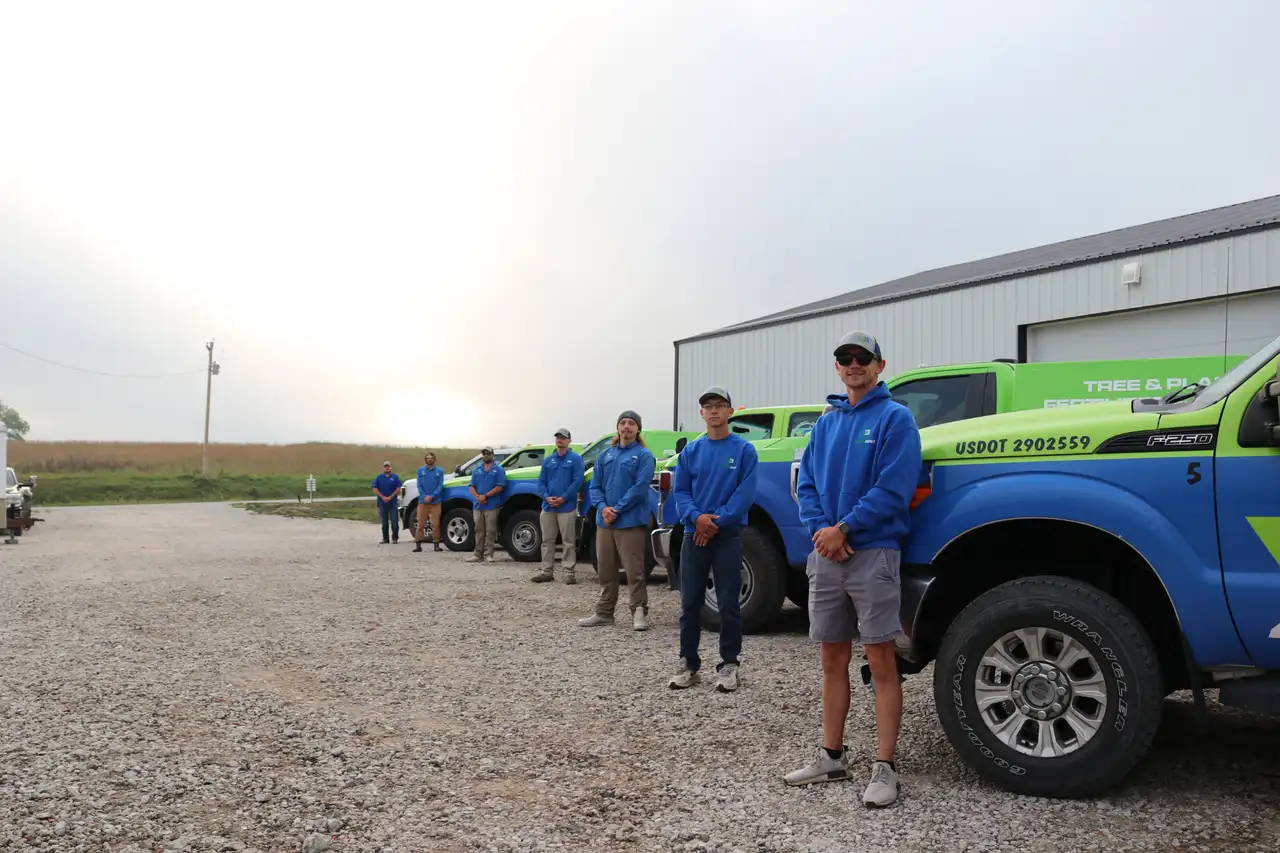
Pin oaks are extremely prone to severe chlorosis in Bellevue and show the most dramatic improvement after treatment—often transforming from nearly yellow to deep green within weeks. River birch very commonly displays pale leaves as standard without treatment, making treatment particularly beneficial. Red oaks frequently show deficiency in our alkaline soil, while silver maples commonly display mild to moderate deficiency. Sweet gums and tulip trees are often chlorotic in Nebraska conditions. Moderately susceptible species that benefit from treatment include other oak species (except bur oak which is more tolerant), other maple species, some ash tree varieties, willow trees, and fruit trees including apple, pear, and cherry. We assess each tree individually to determine treatment appropriateness based on species, deficiency severity, and overall tree health.
Our Frequently Asked Questions
At Yard Boss, we understand that you may have questions about our services, processes, and how we can help you achieve the perfect lawn. Whether you're curious about our lawn care techniques, service areas, or the benefits of professional lawn maintenance, you'll find the information you need right here. If you have any additional questions, feel free to reach out to our friendly team!