Monday - Friday: 8:00 a.m. - 5:00 p.m.

Tree Fungicide & Disease Control in Milford

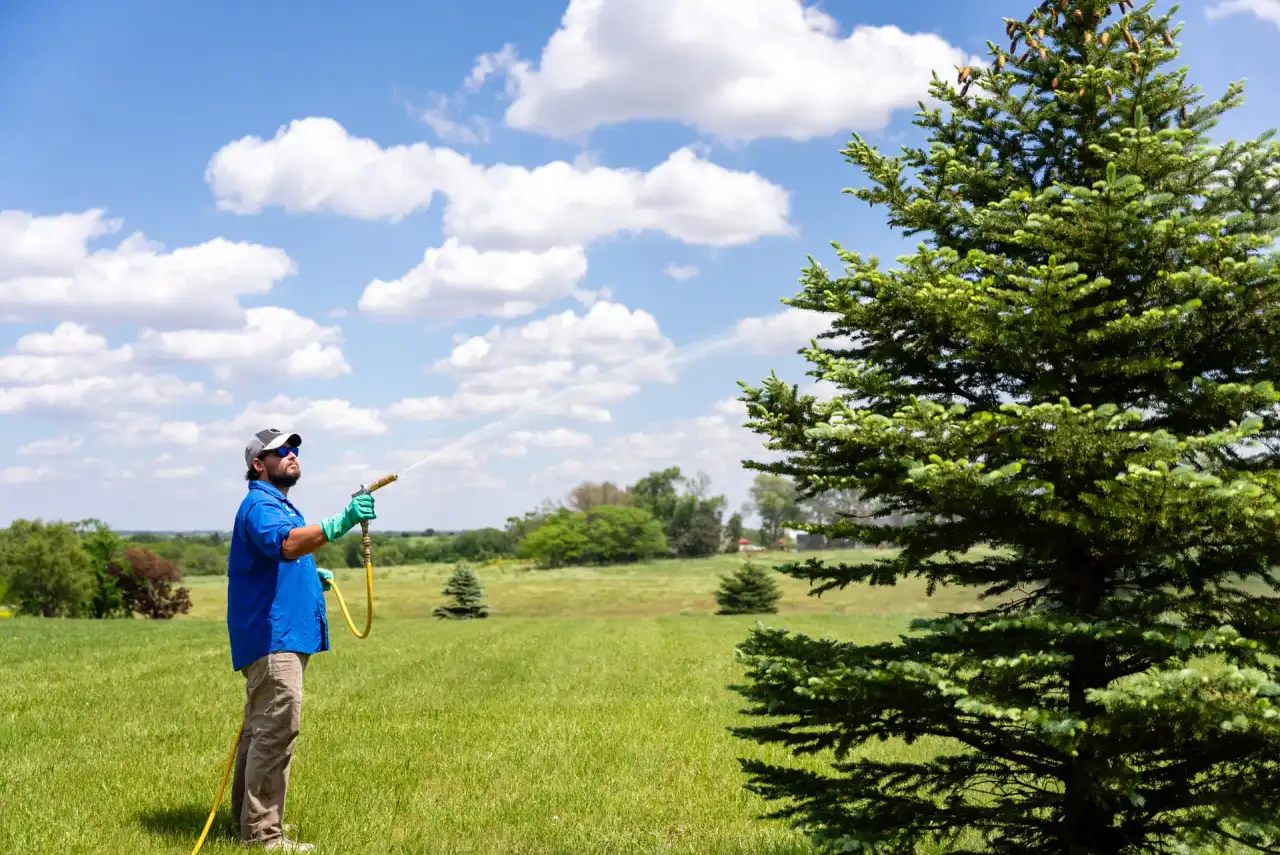
Yard Boss provides professional tree fungicide and disease control through foliar (leaf/needle) spray applications.

get started today

Top-Notch tree care

3-Application Spring Program


Foliar Fungicide Spray


Preventative Protection


High-Reach Application


Weather-Dependent Scheduling

Tree Fungicide & Disease Control

Custom Pricing

Custom Pricing in Milford, NE — Yard Boss

Custom Pricing in Milford, NE — Yard Boss

Custom Pricing in Milford, NE — Yard Boss

Custom Pricing in Milford, NE — Yard Boss

Custom Pricing in Milford, NE — Yard Boss

Top-Notch Tree Care

Tree Fungicide & Disease Control

Custom Pricing

3-Application Spring Program


Foliar Fungicide Spray


Preventative Protection


High-Reach Application


Weather-Dependent Scheduling

Milford Professional Tree Fungicide Services

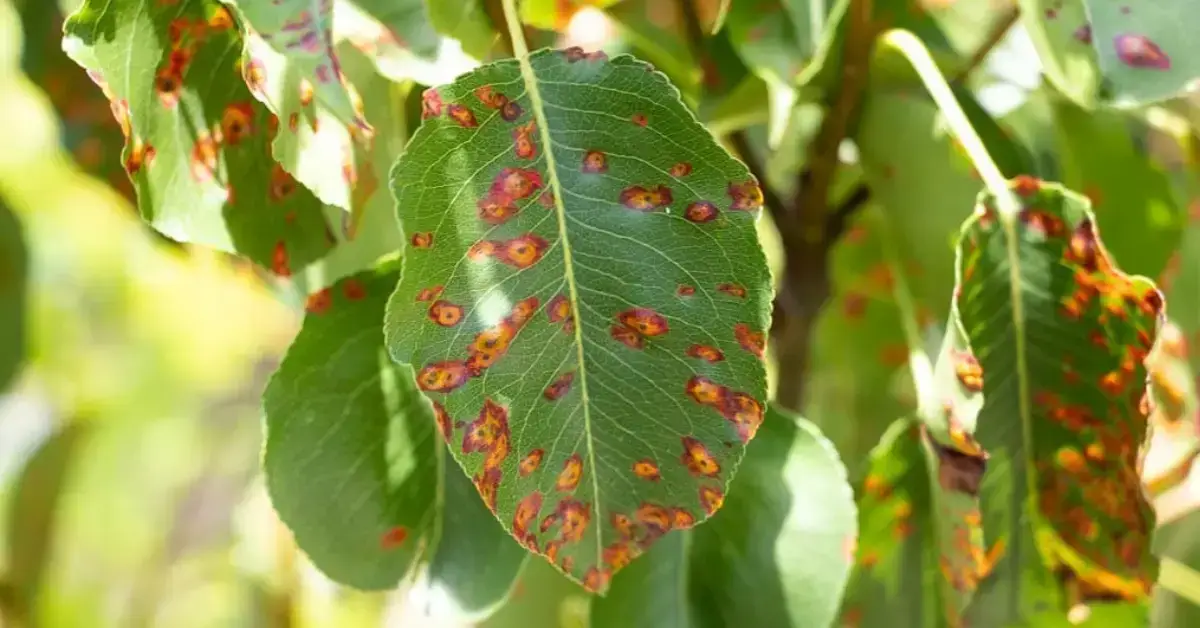
Milford, situated along Highway 6 in Seward County, is a quiet community that serves as home to families seeking rural living with modern conveniences. Yard Boss provides Milford homeowners with professional tree fungicide and disease control services. Trees face fungal disease challenges including cedar-apple rust causing yellow-orange spots and premature leaf drop on crabapple trees, needle cast diseases that progressively thin evergreens by causing needle browning and loss, apple scab creating dark spots on leaves and fruit, anthracnose affecting hardwood trees, and various rust diseases. Our preventative foliar spray program uses three applications during spring leaf emergence when trees are most vulnerable. Professional treatment prevents disease before it can damage your valuable landscape trees. Common diseases we treat:

Cedar-Apple Rust

Needle Cast (Various Types)

Rust Diseases

Anthracnose

Apple Scab

Other Fungal Diseases
Investment Protection and Tree Health

Milford's mature landscape trees represent significant property investments, with single trees adding one thousand to seven thousand dollars or more to home values. Fungal diseases cause progressive damage that weakens trees through premature defoliation, reduced photosynthesis, and increased vulnerability to other stresses. Untreated diseases can eventually kill valuable landscape trees. For evergreen trees with needle cast, damage is permanent because needles don't regrow once lost—bare branches remain bare forever. Our preventative treatment stops disease before it causes damage, protecting your tree investment and maintaining property beauty. Trees that suffered disease in previous years will improve over one to two years as new healthy growth replaces damaged foliage. Custom pricing is based on tree size, species, and number of trees treated. This service pairs perfectly with deep root fertilization for comprehensive tree health and faster recovery.

Preventative Treatment During Spring Emergence

Tree fungicide is preventative rather than curative—it must be applied before infection occurs because it cannot reverse damage on already-infected leaves. Our three-application spring program is timed to bud and leaf development stages. We spray two weeks before bud break to establish protection before leaves emerge, at bud break when newly opening buds are extremely susceptible, and two weeks after bud break to extend protection through full leaf development. This timing protects all new growth because not all buds open at the same time and fungal spores are released continuously throughout spring. Missing the spring treatment window means waiting until next year for protection because fungicide applied after disease symptoms appear provides little to no benefit.

how Tree fungal disease work

stage 1

how Tree fungal disease work in Milford, NE — Yard Boss

Fungal Spores Present in Environment

Most disease-causing fungi overwinter in fallen leaves, bark, or alternate host plants

stage 2

how Tree fungal disease work in Milford, NE — Yard Boss

Spring Conditions Trigger Spore Release

Warm temperatures + moisture (rain, dew, humidity) cause spores to become active

stage 3

how Tree fungal disease work in Milford, NE — Yard Boss

Spores Land on Emerging Leaves/Needles

Wind and rain splash distribute spores to newly developing foliage

stage 4

how Tree fungal disease work in Milford, NE — Yard Boss

Infection Occurs

In presence of moisture, spores germinate and penetrate leaf tissue, establishing infection

stage 5

how Tree fungal disease work in Milford, NE — Yard Boss

Disease Develops

Fungus grows inside leaf, causing spots, discoloration, distortion, or death of leaf tissue

stage 6

how Tree fungal disease work in Milford, NE — Yard Boss

Spore Production

Infected leaves produce millions more spores, spreading disease to other leaves and trees

stage 7

how Tree fungal disease work in Milford, NE — Yard Boss

Tree Stress and Damage

Severe infections cause premature defoliation, weakening tree and reducing photosynthesis
call us today to schedule your service

Complete Coverage with High-Pressure Equipment
Complete Coverage with High-Pressure Equipment in Milford, NE — Yard Boss

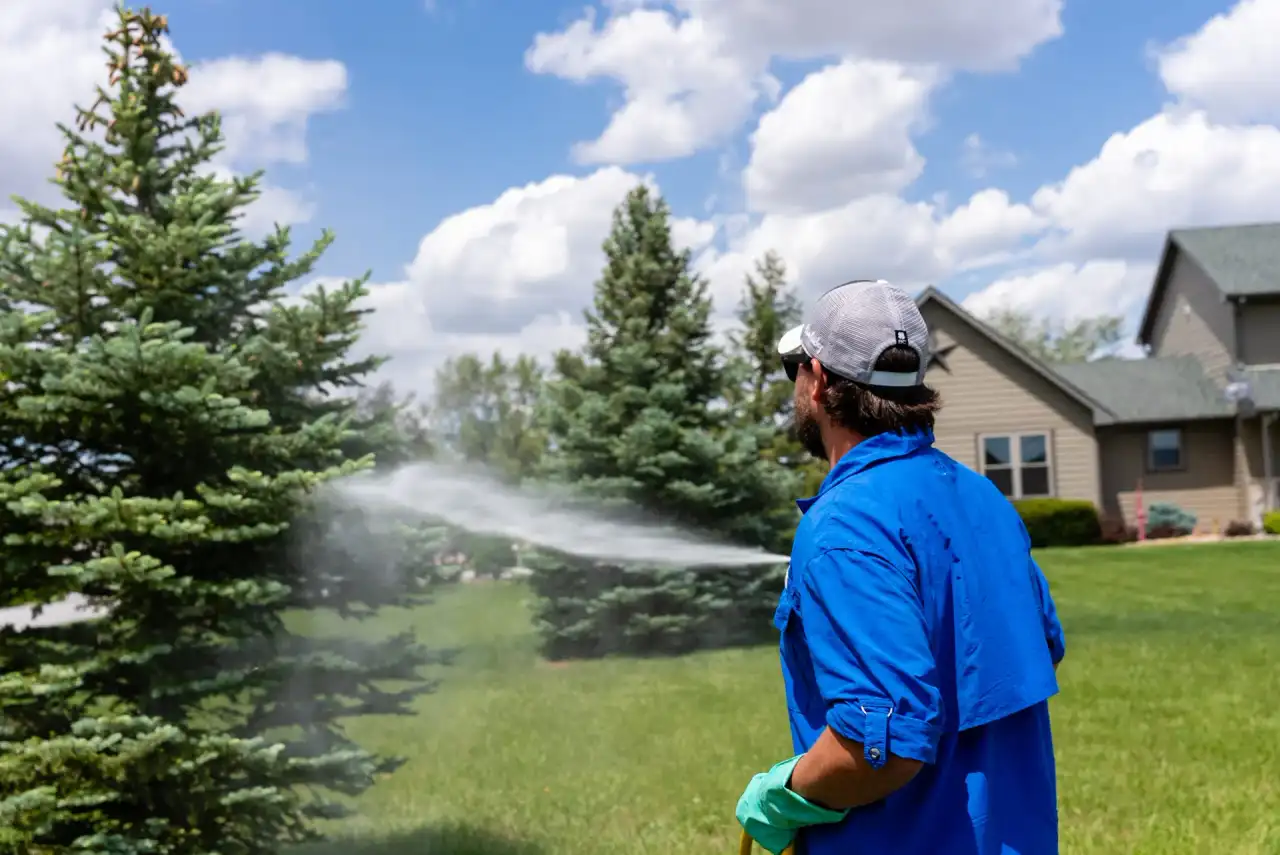
We apply fungicide using professional high-pressure equipment that reaches thirty to sixty feet into tree canopies, ensuring complete coverage of all leaves, needles, and twigs. Our specialized equipment produces a fine mist that thoroughly coats the entire canopy with professional-grade fungicides that prevent fungal spore germination and infection. This level of coverage is impossible with consumer hand-pump sprayers that only reach ten to fifteen feet. We only spray when wind gusts are below ten miles per hour to prevent drift, ensure proper coverage, and protect effectiveness. Milford clients receive text or email notification the day before scheduled service. If weather conditions are unsuitable, we reschedule for the next available calm day because proper application is more important than rigid scheduling.

Our Frequently Asked Questions

At Yard Boss, we understand that you may have questions about our services, processes, and how we can help you achieve the perfect lawn. Whether you're curious about our lawn care techniques, service areas, or the benefits of professional lawn maintenance, you'll find the information you need right here. If you have any additional questions, feel free to reach out to our friendly team!

How Do I Know If My Trees Have Fungus Or Disease?

It depends on the specific disease. Here are common symptoms to look for:

General Warning Signs

Spots on leaves or needles: Brown, yellow, orange, or black spots; may have distinct borders or halos

Premature leaf/needle drop: Leaves or needles turning brown and falling off in spring or summer (not normal fall drop)

Discoloration patterns: Yellowing, browning, or unusual coloring that starts on lower/inner branches and progresses outward

Deformed leaves: Curled, puckered, or distorted leaf development

Thinning canopy: Tree becoming progressively sparser, especially lower branches

Unusual growths: Galls, horn-like structures, or fungal fruiting bodies on bark or leaves

If I Notice Disease After Spring Bud Break, Can I Still Get This Service?

Unfortunately, probably not this year. Here's why:

Fungicide is preventative, not curative: It must be applied BEFORE leaves are infected to work

Damage is permanent on current leaves: Spots, discoloration, and deformities on already-infected leaves cannot be reversed

Late application = wasted money: Applying after disease is visible provides little to no benefit

Better approach: Plan to start preventative program NEXT spring before bud break

Will One Application Be Enough, Or Do I Really Need All Three?

You really need all three applications for effective protection. Here's why:

Leaf emergence spans 3-4 weeks: Not all buds open at once; single application misses later-emerging leaves

Fungicide washes off and wears down: Rain and new leaf growth require re-application to maintain protection

Spore release is continuous: Fungal spores are produced and released throughout spring; single application doesn't cover entire period

Gaps in protection = infection: Even a few days without coverage allows disease to infect vulnerable new growth

We don't offer single applications because we've seen they don't work. The 3-application program is the minimum for reliable protection.

Can This Cure My Tree's Disease If It's Already Infected?

No, fungicide is preventative only. However, here's what it CAN do:

What Fungicide CANNOT Do

Cannot reverse damage on already-infected leaves (spots stay, discoloration remains)

Cannot restore dropped leaves or needles

Cannot repair distorted or deformed leaves

Cannot bring back dead branches

What Fungicide CAN Do (If Tree Has Been Infected in Previous Years)

Prevent THIS year's new growth from infection: This spring's new leaves will be protected

Stop disease progression: Tree won't get WORSE; damage is contained to previous years

Allow tree recovery: With healthy new foliage, tree can rebuild strength and vigor

Break disease cycle: Protects tree long enough for environmental fungal spore load to decrease

How Long Does Each Application Take?

Depends on tree size and number:

Single medium tree (20-30' tall): 15-30 minutes including setup

Large tree (40-60' tall): 30-60 minutes

Multiple trees: Additional time per tree, but efficiency improves with more trees (setup once)

You do not need to be home during application. We'll notify you day before and leave confirmation after completion.

Is The Fungicide Safe For People, Pets, And Beneficial Insects?

Yes, when used properly:

During application: Keep people and pets inside or away from treatment area until spray settles and dries (typically 1-2 hours)

After drying: Safe for normal activity around trees; product bonds to leaf surfaces

Beneficial insects: Fungicides target fungal diseases, not insects; minimal impact on bees, butterflies, etc. (unlike insecticides)

Environmental safety: Professional products are formulated for minimal environmental impact when applied correctly

Can You Treat Fruit Trees (apple, Pear, Etc.) That I Actually Harvest Fruit From?

Yes, but with important considerations:

Product selection matters: We use fungicides labeled for fruit trees with appropriate pre-harvest intervals

Ornamental vs. edible: If tree is purely ornamental (crabapple for flowers, not eating fruit), any fungicide is fine. If you eat fruit, we use appropriate products.

Disclosure required: You must tell us if you harvest and consume fruit so we use correct products

Harvest timing: Most fungicides have waiting periods (14-60 days) between last application and safe fruit harvest; this is usually fine since spring applications are finished before fruit matures

My Tree Has Been Losing Needles/leaves For Several Years. Is It Too Late To Save It?

Depends on how much is left and tree species. General guidelines:

Good Candidates for Treatment (Likely Success)

Tree retains 50%+ of normal foliage density

Branches still have live buds/growing points

No significant dead branches (beyond disease-related needle/leaf loss)

Tree is otherwise healthy (no other major problems like borers, root issues)

Poor Candidates (Treatment May Not Save Tree)

Tree has lost 70%+ of foliage over multiple years

Large sections of tree completely bare with no signs of new growth

Significant branch dieback beyond just needle/leaf loss

Multiple problems (disease + drought stress + pest damage)

We'll be honest: During assessment, we'll tell you if we think treatment is likely to save the tree or if removal is the better option. We won't take your money for a treatment unlikely to succeed.

Other Services Offered In Milford

Learn More with our vlogs

Check out our vlogs for lawn care explanations, tips, and FAQs!

Explaining Each Step of Our Fertilizer & Weed Program

Average Cost of a Yard Boss Lawn

Learn More with our vlogs — Yard Boss

We provide exceptional lawn care and pest control services for residential and commercial properties in the Lincoln and Omaha areas of Nebraska.

Contact

Mon – Fri: 8 a.m. – 5:00 p.m.

Quick Links
Services

Copyright 2026 © All Rights Reserved