get started today
Top-Notch Tree care
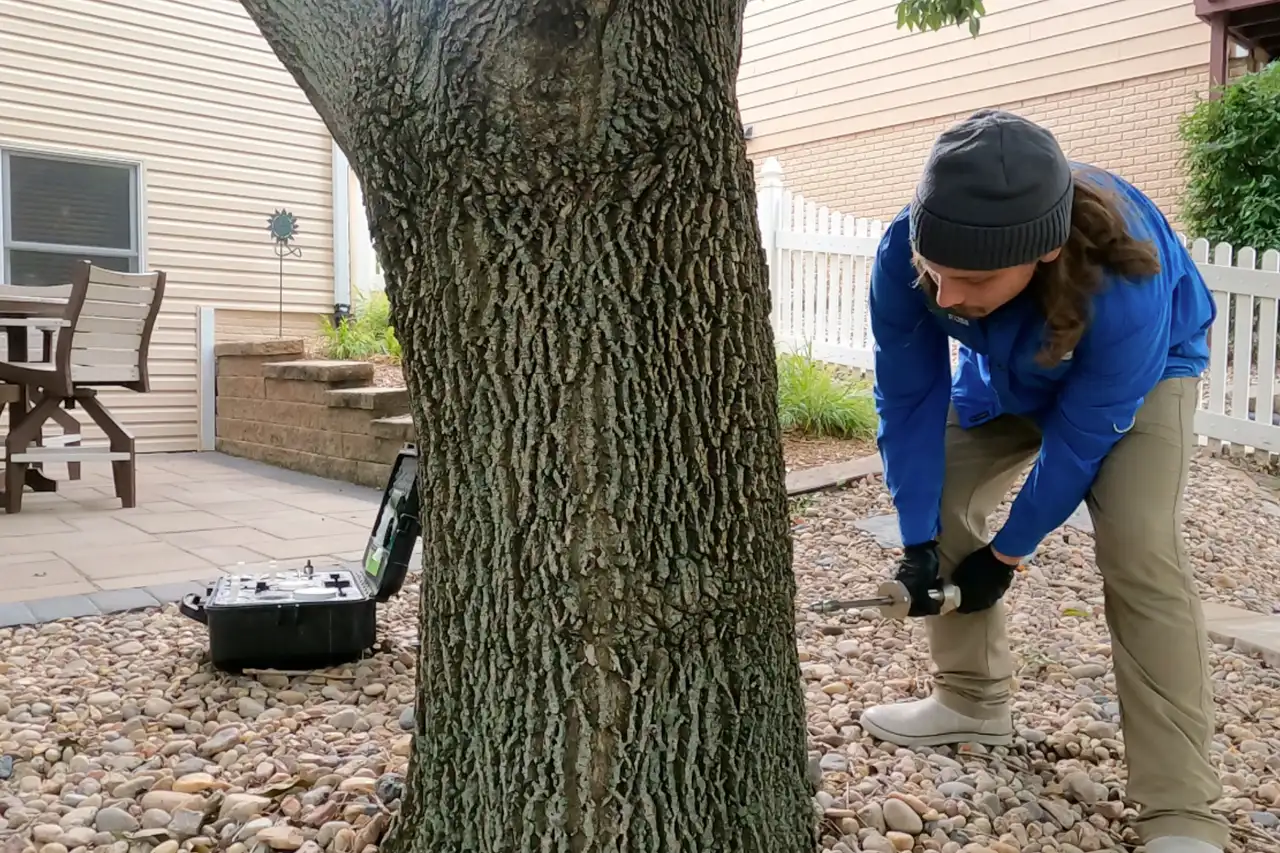
Trunk Injection Delivery
Annual Treatment
Rapid Uptake
Visible Transformation
Minimal Invasiveness

Top-Notch Tree Care
Tree Iron Injections
Custom Pricing
Trunk Injection Delivery

Annual Treatment
Rapid Uptake
Visible Transformation
Minimal Invasiveness
Transform Millard's Trees into Vibrant Landscape Assets
Millard, now part of southwest Omaha, encompasses diverse neighborhoods from established areas to newer developments, all featuring significant tree planting. Throughout Millard, alkaline soil creates iron deficiency in popular landscape tree species like pin oaks, river birch, red oaks, and silver maples. These acid-loving trees cannot efficiently access iron in high pH soil, resulting in pale, chlorotic foliage that most Millard residents have accepted as normal. Yard Boss provides professional trunk injection services that deliver iron directly to trees' vascular systems, creating dramatic color transformation and health improvement within 2-4 weeks. Trees most susceptible to iron deficienty:
Pin Oak
River Birch
Red Oak
Silver Maple
Sweet Gum
Tulip Tree
Long-Term Consequences of Leaving Trees Untreated
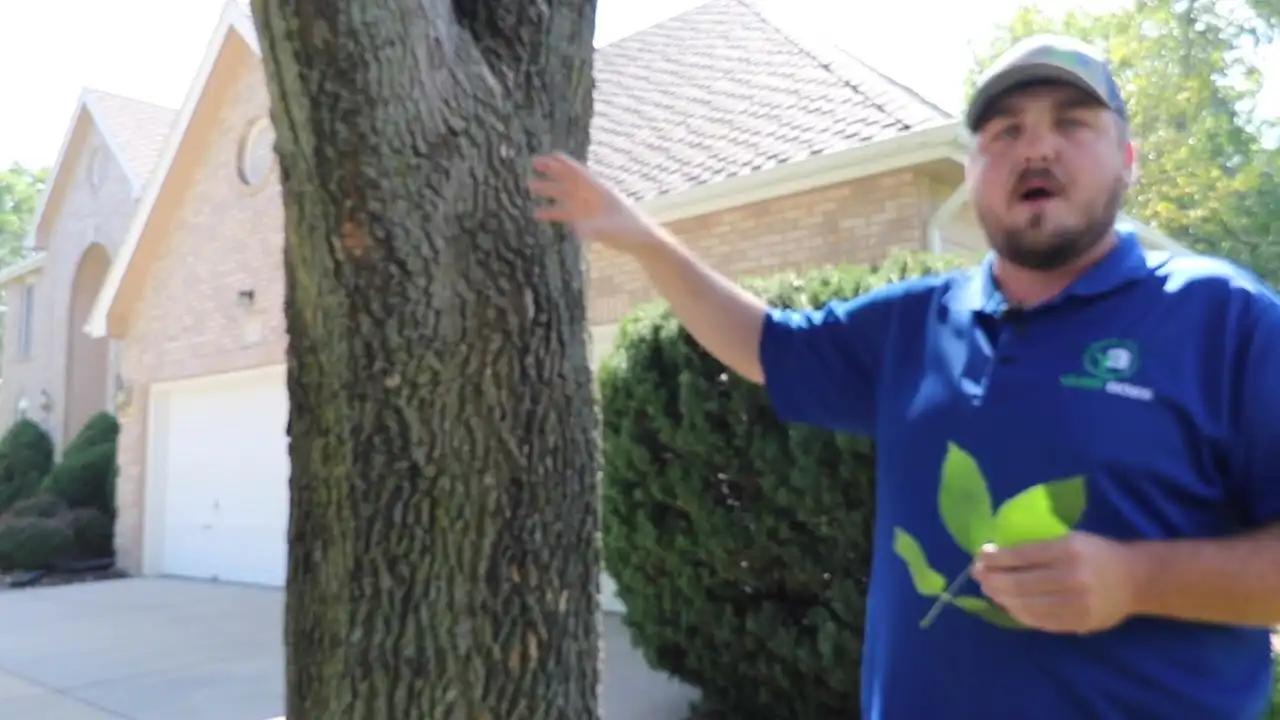
If you choose not to treat iron deficiency in your Millard trees, short-term effects include continued pale, sickly yellow-green color that reduces curb appeal, reduced photosynthesis efficiency meaning less energy production, and diminished aesthetic value compared to what your landscape could be. Long-term effects are more serious: progressive weakening as chronic deficiency stresses trees year after year, reduced growth with trees remaining smaller than their genetic potential and developing misshapen canopies, increased vulnerability to pests, diseases, drought, and winter injury as weak trees cannot defend themselves effectively, twig dieback that can progress to branch death in severe cases, and possible tree death in extreme cases of years of severe deficiency, particularly in highly susceptible species like pin oak. The opportunity cost is significant—you're getting only 50-70% of your trees' potential beauty and health, diminishing your Millard property's value and appeal.
Why Millard Trees Show Pale Foliage
The Millard area's naturally alkaline soil (pH 7.5-8.5) results from limestone bedrock and our regional climate. While iron is abundant in the soil, it exists in ferric form (Fe3+) that tree roots cannot absorb. Trees require ferrous iron (Fe2+), which only becomes available in acidic soil conditions (pH 5.5-6.5). This creates a situation where your trees are literally surrounded by iron but unable to access it—like being surrounded by food you cannot digest. Pin oaks, river birch, and red oaks are "acid-loving" trees that evolved in forest soils with much lower pH. These species cannot efficiently acidify the soil around their roots to release iron, so they struggle while native species like bur oak and hackberry—adapted to alkaline conditions—thrive. Our trunk injection method solves this by delivering iron directly into the vascular system, bypassing the soil chemistry problem entirely.
treatment Timing Options
Spring (Optimal)
April – June

Tree Activity
Peak nutrient uptake, leaves expanding, & high transpiration
Treatment Effectiveness
Excellent – Fastest visible results (2-3 weeks)
Summer
July – August
Tree Activity
Active growth and transpiration high in healthy trees
Treatment Effectiveness
Excellent – Good uptake, results visible in 3-4 weeks
Early Fall
September
Tree Activity
Trees still active, nutrient storage for winter
Treatment Effectiveness
Good – Uptake slower but effective; benefits visible next spring
Late Fall
October – November
Tree Activity
Trees preparing for dormancy, reduced activity
Treatment Effectiveness
Fair – Limited uptake; mainly benefits next year
Treatment Process and What to Expect
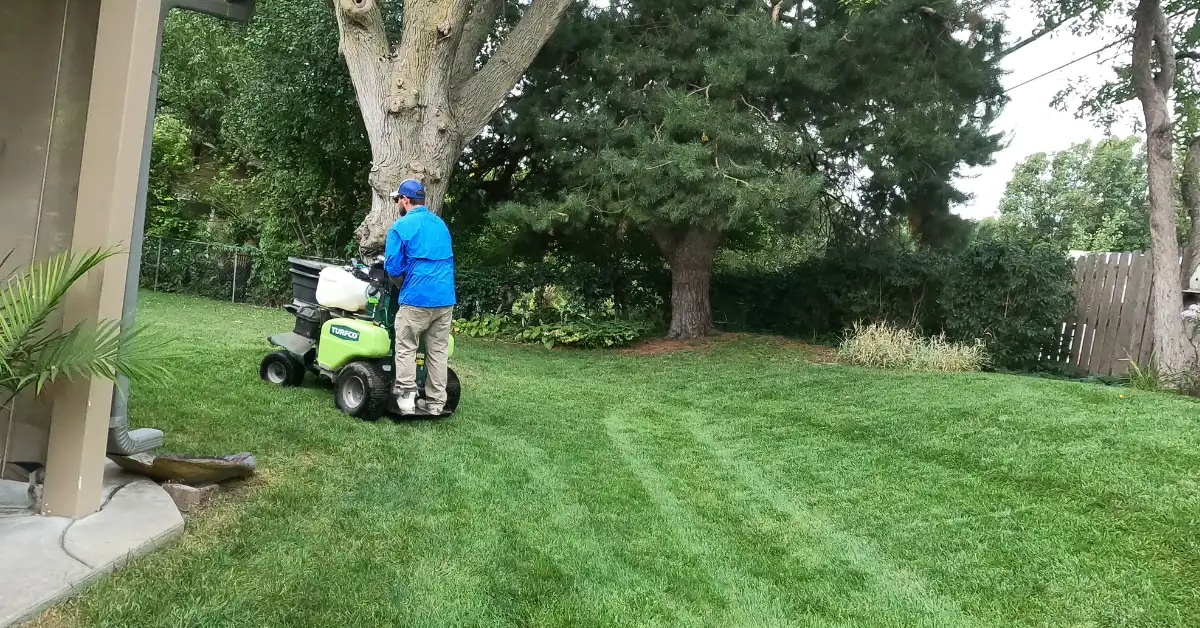
Our professional process begins with on-site assessment where we identify tree species, measure trunk diameter, and assess overall tree health to determine if treatment is appropriate. We place small injection points around the trunk circumference at the base (6-12 inches above ground), with the number of injections determined by trunk diameter—typically one injection per 4-6 inches of circumference. The injection needle penetrates bark into sapwood approximately 1-2 inches deep, delivering iron solution directly into the vascular system under pressure. Tree transpiration carries iron up through xylem to branches and leaves, with distribution throughout the canopy via phloem and xylem transport. For spring treatments, you'll notice color changes in 2-3 weeks. Summer treatments show results in 3-4 weeks. The transformation is dramatic—from pale yellow-green to rich, deep green.
Our Frequently Asked Questions
At Yard Boss, we understand that you may have questions about our services, processes, and how we can help you achieve the perfect lawn. Whether you're curious about our lawn care techniques, service areas, or the benefits of professional lawn maintenance, you'll find the information you need right here. If you have any additional questions, feel free to reach out to our friendly team!