get started today
Top-Notch Tree care
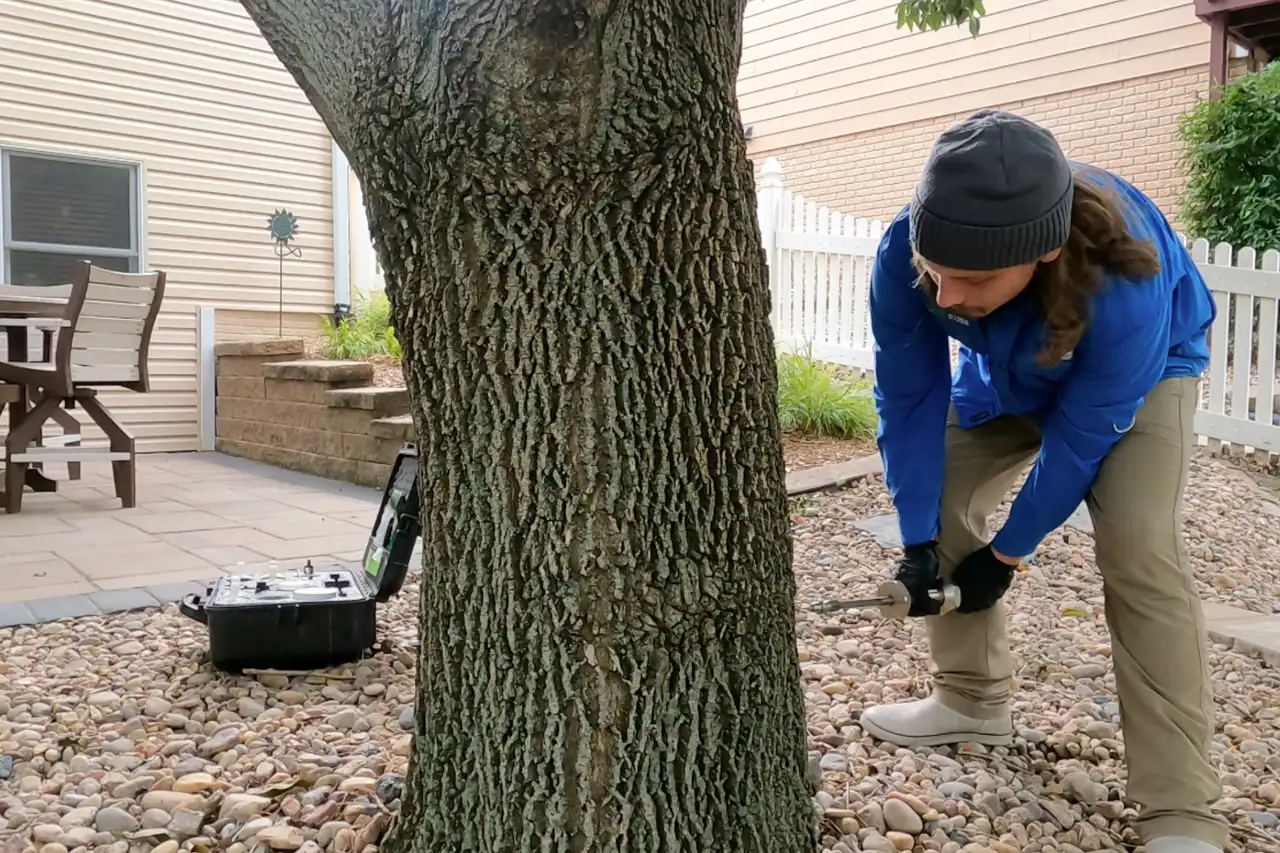
Trunk Injection Delivery
Annual Treatment
Rapid Uptake
Visible Transformation
Minimal Invasiveness

Top-Notch Tree Care
Tree Iron Injections
Custom Pricing
Trunk Injection Delivery

Annual Treatment
Rapid Uptake
Visible Transformation
Minimal Invasiveness
Restore Deep Green Color to Wilber's Landscape Trees
Wilber, known as the "Czech Capital of Nebraska" and the county seat of Saline County, features historic architecture and established residential areas with mature trees. Saline County's alkaline soil creates a widespread problem that affects pin oaks, river birch, red oaks, and silver maples throughout the Wilber area. These "acid-loving" trees cannot efficiently access iron in high pH soil, resulting in pale, chlorotic foliage that most homeowners have come to accept as the tree's natural appearance. Yard Boss provides professional trunk injection services that deliver the dramatic transformation Wilber trees deserve—vibrant, deep green color that reveals what properly nourished trees actually look like. Trees most susceptible to iron deficienty:
Pin Oak
River Birch
Red Oak
Silver Maple
Sweet Gum
Tulip Tree
Comparing Treatment Methods
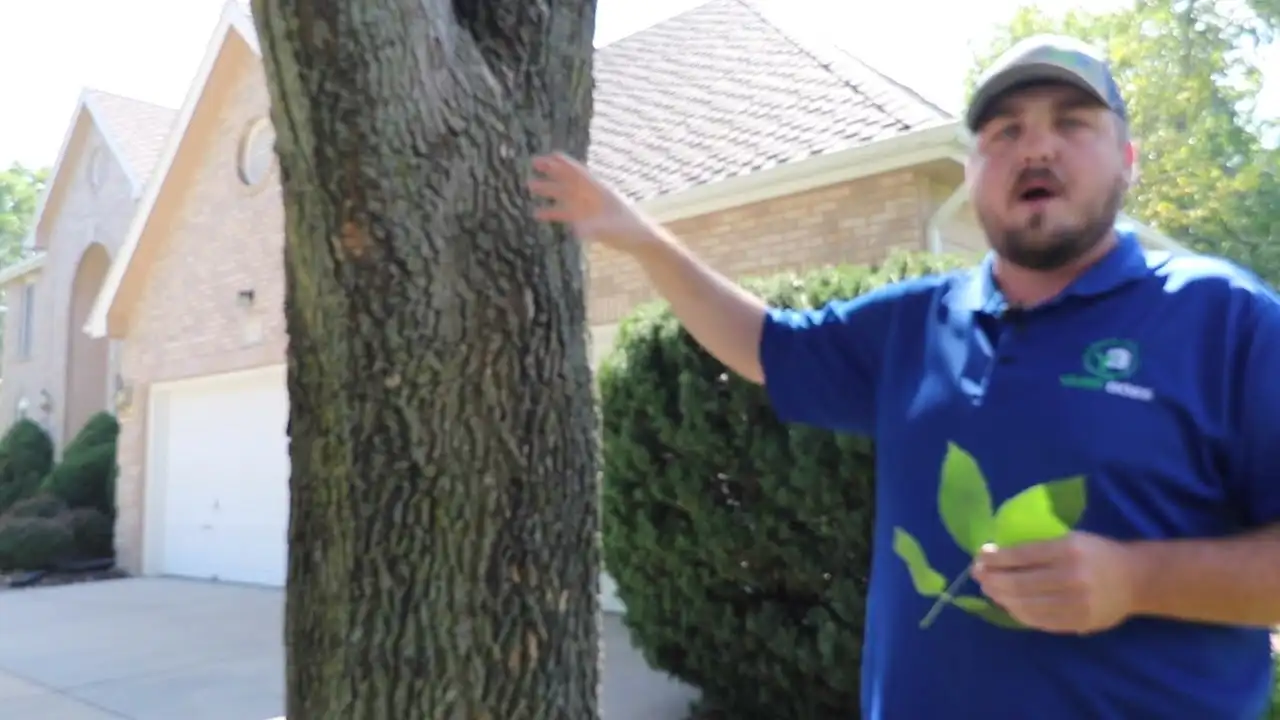
Wilber homeowners sometimes ask about alternatives to trunk injection. Foliar spray provides only poor, temporary results lasting 2-4 weeks, requires monthly reapplication, doesn't reach the entire canopy, and washes off with rain. Soil application of chelated iron produces fair, variable results lasting 4-8 weeks, requires multiple applications, leaves iron still unavailable in alkaline soil, and raises environmental concerns. Soil acidification is ineffective long-term as pH rebounds quickly, requires massive amounts of sulfur, and can harm nearby plants. Trunk injection is the only method that bypasses the soil pH problem entirely, delivers iron directly to the vascular system, provides season-long results from single annual treatment, achieves 100% product utilization, and works reliably in Nebraska's alkaline soils.
Understanding Chlorosis and Its Impact
Iron chlorosis is the technical term for iron deficiency in plants. "Chlorosis" means loss of green color due to inadequate chlorophyll production. Iron is essential for chlorophyll synthesis, so iron-deficient leaves cannot produce the deep green pigment healthy leaves require. In mild deficiency, Wilber homeowners see light green leaves instead of deep green, with subtle yellowing and overall pale appearance. This reduces photosynthesis efficiency and aesthetic appeal but doesn't immediately threaten the tree. Moderate deficiency shows distinct yellowing between leaf veins while veins remain green, with new growth more yellow than older leaves—this indicates significant photosynthesis reduction and visible tree stress. Severe deficiency produces entirely yellow or nearly white leaves, leaf margin browning, stunted growth, and twig dieback, putting the tree in serious decline.
treatment Timing Options
Spring (Optimal)
April – June

Tree Activity
Peak nutrient uptake, leaves expanding, & high transpiration
Treatment Effectiveness
Excellent – Fastest visible results (2-3 weeks)
Summer
July – August
Tree Activity
Active growth and transpiration high in healthy trees
Treatment Effectiveness
Excellent – Good uptake, results visible in 3-4 weeks
Early Fall
September
Tree Activity
Trees still active, nutrient storage for winter
Treatment Effectiveness
Good – Uptake slower but effective; benefits visible next spring
Late Fall
October – November
Tree Activity
Trees preparing for dormancy, reduced activity
Treatment Effectiveness
Fair – Limited uptake; mainly benefits next year
The "Wow Factor" Transformation
This is the service that creates enthusiastic referrals in Wilber. Most customers have never seen their trees with proper iron nutrition because the deficiency developed gradually over years. They've forgotten—or never knew—what healthy, deep green foliage looks like. When we treat their pin oak, river birch, or red oak, the transformation is dramatic. Within 2-4 weeks, leaves change from pale, sickly yellow-green to rich, vibrant deep green. Customers consistently report, "I didn't know my tree could look THIS green! It looks like a completely different tree!" The color you'll see after treatment isn't artificially enhanced—it's simply what a healthy, properly nourished tree is supposed to look like. That vibrant green color represents improved photosynthesis, better energy production, and enhanced tree health.
Our Frequently Asked Questions
At Yard Boss, we understand that you may have questions about our services, processes, and how we can help you achieve the perfect lawn. Whether you're curious about our lawn care techniques, service areas, or the benefits of professional lawn maintenance, you'll find the information you need right here. If you have any additional questions, feel free to reach out to our friendly team!