Christmas Light Installation
Christmas Lights That Hold Up to a Nebraska Winter: Snow, Wind, Ice, and Cold
Yard Boss • November 2026 • Lincoln, NE • 7 min read
Short Answer: Nebraska winters bring bitter cold, strong wind, snow, and ice, and a holiday display has to stay straight and lit through all of it. Displays that hold up use commercial-grade LED lights, clips matched to the gutters and shingles, sealed connections kept off the ground, and outlets with ground fault protection. Professional crews avoid icy roofs, so installs and takedowns are timed around the weather. After a storm, most dark sections come down to a tripped outlet or a wet connection, which is a quick fix.
Anyone who has lived through a few Lincoln winters knows the pattern. A dusting of snow in November, a week of bitter cold, a sudden thaw, freezing drizzle, then a strong wind out of the northwest. Holiday lights have to make it through every bit of that, from the day they go up until the day they come down.
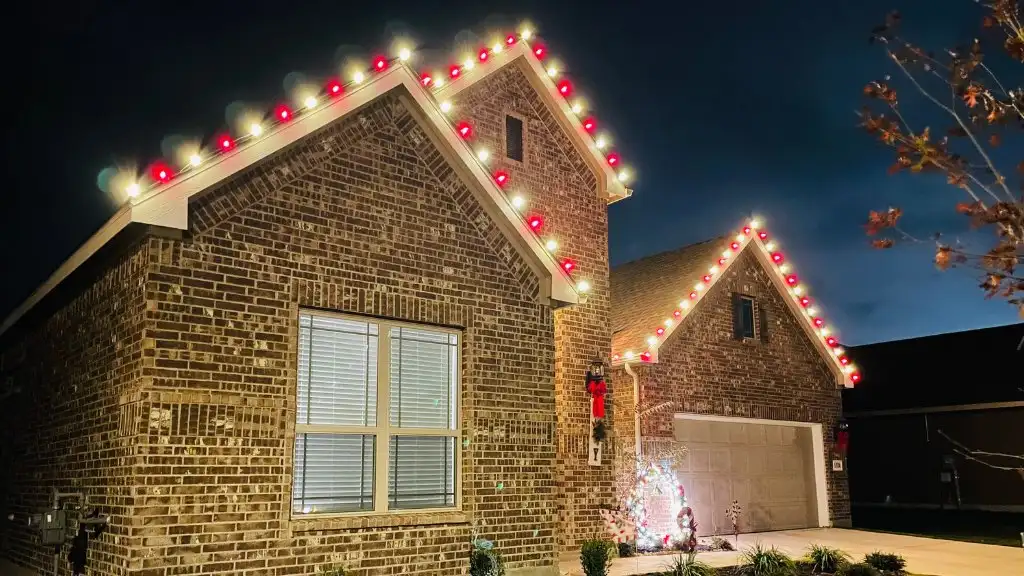
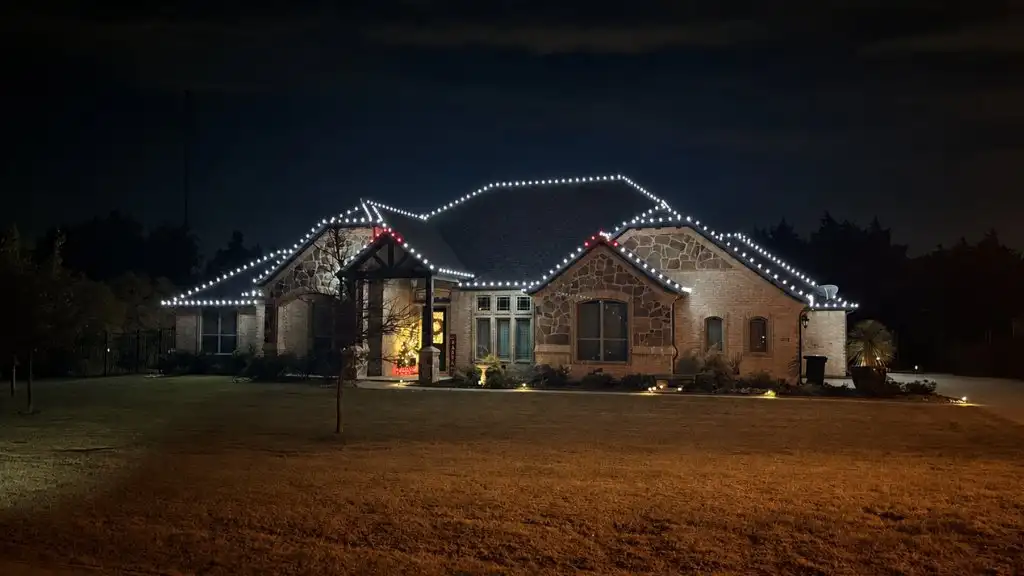
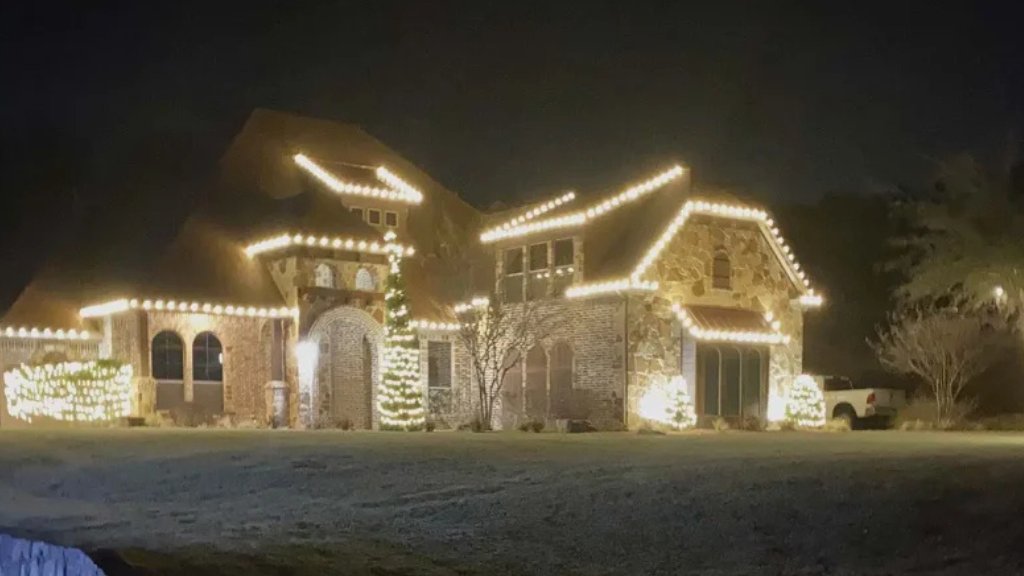
The home pictured here, its rooflines glowing warm white over a frosty lawn, shows what a display should look like on a cold night. Here is what makes the difference.
What a Nebraska Winter Throws at Lights
Lincoln winters combine several kinds of stress. Temperatures can drop well below zero. Snow can pile on rooflines. Freezing rain and drizzle coat everything in ice. Thaws and refreezes work water into gaps. And strong winds can blow across the plains for days.
Cold
Extreme cold makes plastic and wire insulation stiffer. Commercial-grade strands and sockets are built to stay flexible and intact in freezing temperatures. LED bulbs light instantly in the cold and perform better than older incandescent bulbs did.
Wind
Wind is one of the biggest challenges in Nebraska. Lights that are draped, taped, or loosely tied can work loose, flip, or blow off the gutter. Clips matched to the gutter lip or shingle edge hold each bulb firmly, so lines stay straight even after a windy week.
Snow
Snow on the roof can cover lights along the edge, dimming them until it melts or slides off. Bulbs clipped upright along the gutter lip tend to stay visible above light snow. Heavy snow sliding off the roof can push on lights, which is another reason firm clipping matters.
Ice and Freezing Rain
Freezing rain coats bulbs and wires in ice and adds weight to strands. Secure clipping keeps strands from sagging under the weight. Once the ice melts, lights return to normal.
Freeze-Thaw Cycles
When temperatures move above and below freezing, water gets into small gaps, freezes, expands, and thaws again. Sealed, outdoor-rated sockets and protected connections hold up better to those cycles.
Ice Dams and Gutters
Some homes develop ice along the gutters and roof edge when heat escaping through the roof melts snow that refreezes at the colder edge. Ice in gutters can encase lights. Clean gutters and good attic insulation help, and mentioning ice dam history at the consult helps the crew plan.
Commercial-Grade Lights
Commercial-grade lights are built for outdoor use and hold consistent color and brightness better than many store-bought strings, even after weeks of cold, wind, and snow.
Protecting Connections
Connections between strands and extension cords are the weak points of any display. Keeping them off the ground, away from snowmelt and standing water, and in weatherproof covers prevents shorts and tripped outlets.
GFCI Outlets
Outdoor lights belong on outlets with ground fault protection. During a thaw or heavy wet snow, a GFCI outlet may trip. If your lights go out after a storm, check the outlet and press reset. If it trips again right away, a connection may be wet, and it is worth a call.
Landscape Lights in Snow
Lights in beds and along walkways sit close to the snow. Stakes should go in before the ground freezes, and connections should sit above the expected snow line where possible. Keep walkway lights a few inches back from the edge so shovels and snow blowers do not hit them.
Shoveling and Snow Removal
When you shovel or blow snow, watch for stakes and cords along walkways and the driveway. If you use a snow removal service, let them know where lights are.
Salt and Ice Melt
Rock salt and ice melt can corrode fixtures and damage plants and lawns. Keep salt off lights and beds, and use it sparingly on walkways.
Timers
Every display should run on a timer, so the lights turn on and off on schedule no matter the weather.
Crew Safety in Winter
Icy, snowy, or frosted roofs are dangerous. Our crews do not work on icy surfaces, and installs or takedowns are rescheduled when winter weather moves in. That is the right call for the crew and for your roof.
Service Calls After Storms
If a section goes dark after a storm, call. Most issues are simple, like a tripped outlet or a connection that took on water, and can be fixed quickly once conditions are safe.
Snow Removal Services
If you hire a snow removal service, let them know where landscape lights, stakes, and cords are along walkways and the driveway. Marking those spots helps plow and shovel crews avoid them.
What Homeowners Can Do
Check GFCI outlets after storms. Keep snow shoveled away from connections near walkways. Do not knock snow off the roof edge with a broom or rake, which can damage lights and gutters. And let us know if anything looks wrong.
Takedown Timing
Takedown in January is timed around the weather. Crews wait for safe conditions rather than working on icy roofs, then release each clip by hand to protect cold, brittle shingles and gutters.
Install Early to Beat the Weather
The best way to make sure a display holds up is to install it early, in late October or early November, while the weather is still mild. Lights installed on a calm, dry day are clipped tighter and placed more carefully than lights rushed up in a December cold snap.
Wind Across Open Lots
Homes on open lots, newer subdivisions without mature trees, and rural properties around Crete face more wind than homes sheltered by trees and neighbors. Those rooflines need especially careful clip spacing.
Wreaths and Garland in Wind
Wreaths and garland need to be anchored at more than one point so they do not swing or shift in gusts.
Trees in Ice Storms
Wrapped trees can take on heavy ice during freezing rain, which bends branches. Lights wrapped along the trunk and main limbs, rather than thin outer branches, are less likely to be damaged.
Short Days, Long Nights
In December, the sun sets in Lincoln before 5 p.m., which means lights are on for many hours every evening. That is a lot of run time in cold weather, and it is one more reason commercial-grade LED lights and sealed connections matter.
Extension Cords in the Cold
Outdoor extension cords should be rated for cold weather, so they stay flexible rather than cracking when temperatures drop well below freezing. Heavy-duty outdoor cords also handle larger displays better.
Storage After a Hard Winter
After takedown, lights should dry fully before storage. Storing wet lights invites corrosion. Winding them loosely and keeping them dry helps them last for many seasons.
What a Weather-Ready Display Looks Like
Imagine this. A December storm drops snow, then freezing drizzle, then a night of wind. The next evening, your roofline still glows warm white, every line straight, the trees still wrapped, the beds lit above the snow. Nothing needed fixing.
What to Do Next
Before winter sets in, make sure your outdoor outlets have GFCI protection and you know where they are. After storms, check outlets, keep snow and salt away from lights and connections, and avoid knocking snow off the roof edge with tools. Call your installer if a section stays dark.
If you would rather have someone else handle the ladders and the cold this year, we are here for that. Yard Boss installs Christmas lights in Lincoln, Crete, and the surrounding area. Call 402-588-4222 or visit yardbosslawns.com to request a free quote.
Here is what to expect. We will look at your home with you, talk through the rooflines, colors, and features you want lit, and explain what the installation would include before anything goes up. You will know what you are getting and when.