Fertilization
Fall Fertilization: The Secret to an Early, Thick Spring Lawn
Yard Boss • September 2026 • Lincoln / Crete, NE • 7 min read
Short Answer: The thick, early-greening spring lawn most homeowners want is actually created in the fall. A fall feeding builds the deep roots and stored energy that let a cool-season lawn wake up fast and fill in thick come spring. If you want a great lawn next year in southeastern Nebraska, the work starts with fall fertilization now.
Next Spring's Lawn Starts This Fall
Here is something many homeowners do not realize: the beautiful spring lawn you are hoping for is largely determined by what you do right now, in the fall. It is easy to think of spring as the time to get a lawn in shape, but for our cool-season grasses in southeastern Nebraska, the foundation for a great spring is laid months earlier. A strong fall feeding is one of the biggest reasons some lawns green up early and thick while others struggle to catch up.
If an early, lush, dense spring lawn is your goal, understanding this connection changes how you think about fall. Rather than the end of the lawn care season, fall becomes one of its most important moments, the time when you set your lawn up to look its best when the weather warms. Here is how a fall feeding turns into a better lawn next spring.
Why Spring Green-Up Depends on Fall
A lawn's spring green-up is powered by the energy it stored the previous fall. As cool-season grass heads into winter, it banks nutrients and energy that it holds through the dormant months and then uses to fuel new growth when spring arrives. The bigger that reserve, the faster and stronger the lawn greens up. A fall feeding is what fills that reserve to the top.
A lawn that goes into winter well fed comes out of it ready to grow, greening up early and filling in quickly as soon as conditions allow. A lawn that entered winter with little in reserve wakes up slowly and takes much of the spring just to recover. The difference between the two is often nothing more than whether the lawn got a good fall feeding, which is why fall is the real secret behind a great spring.
Deep Roots Built in the Cool Season
Fall is also when grass does its most important root growth, and roots are the engine behind a thick spring lawn. As the top growth slows in the cooling weather, the roots keep growing, reaching deeper and building density underground. A fall feeding drives that root growth, giving the lawn a stronger foundation than it could build at any other time of year.
Those deep roots pay off enormously in spring and beyond. A well-rooted lawn has the reach and the reserves to green up vigorously, resist stress, and stay healthy through the season. When you feed in fall, you are not just setting up the green-up, you are building the root system that supports a thick, resilient lawn all year. Spring is when you see the payoff, but fall is when it is created.
Thickness That Crowds Out Weeds
A lawn that comes into spring thick and dense has another big advantage: it fights off weeds naturally. Weeds thrive in thin, patchy lawns where there is bare soil and open sunlight for them to exploit. A dense stand of grass leaves them nowhere to get established, crowding them out before they can take hold. Density is one of the best weed defenses a lawn has.
By setting up a thick spring green-up, fall fertilization helps your lawn start the year in a strong position against weeds. Instead of spring arriving with a thin lawn full of openings for weeds to move into, you get a dense, healthy lawn that holds its ground. That means less weed pressure and a better-looking lawn through the spring and into summer, all traced back to the feeding you gave it in fall.
A Head Start on the Whole Season
The early green-up that fall feeding produces is more than just nice to look at. Getting a jump on the season means your lawn is healthy and growing sooner, which sets it up to be stronger heading into the stresses of summer. A lawn that started spring thick and vigorous is far better prepared for the heat than one that spent the spring playing catch-up.
In this way, a fall feeding gives benefits that ripple forward through the entire year. It leads to an earlier, thicker spring, which leads to a healthier lawn going into summer, which leads to better resilience when conditions get tough. One well-timed application in fall pays dividends across seasons, which is exactly what makes it such a valuable part of caring for a lawn.
Doing It at the Right Time
Because the whole benefit depends on the grass being able to take up and store the nutrients before winter, timing the fall feeding correctly is essential. Applied at the right point in the season, with the right product, the feeding does all the work described here. Applied too late or with the wrong blend, it delivers far less. The details genuinely matter with fall fertilization.
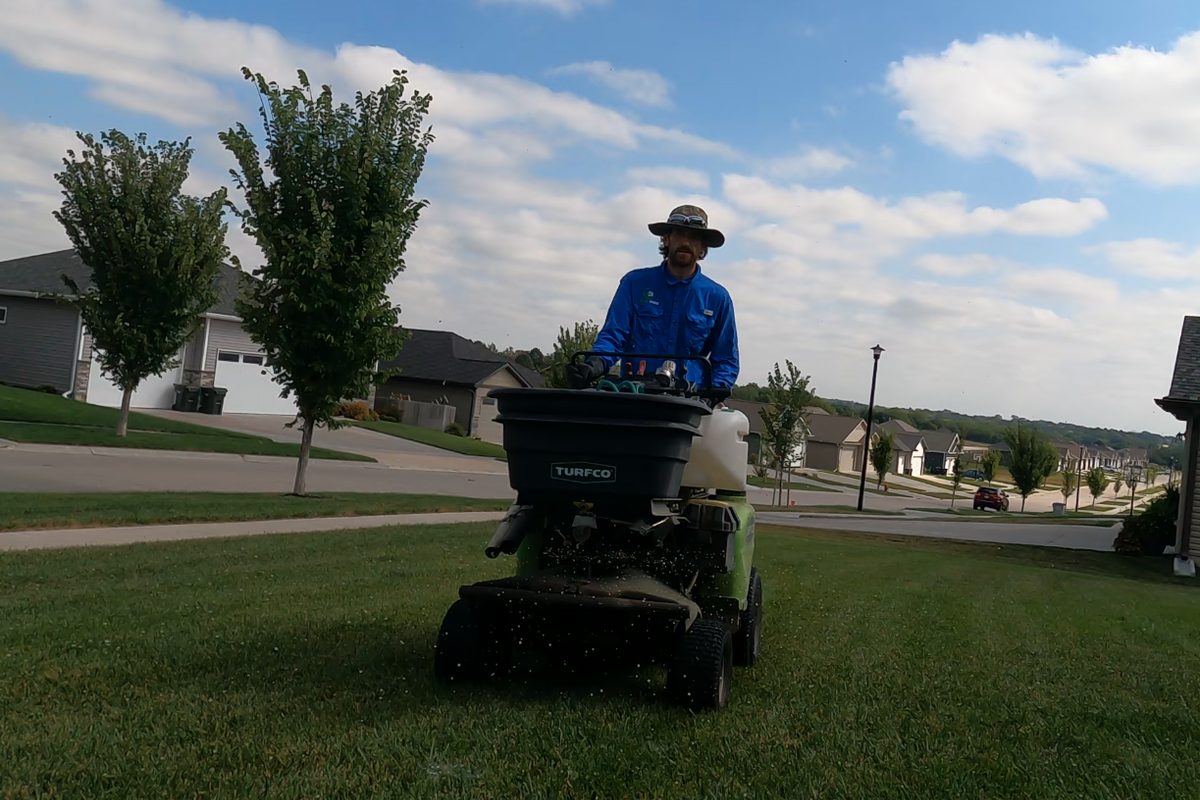
Our team knows our local grasses and how our seasons behave, and we time the fall application to give your lawn the greatest benefit. We handle the product selection and the timing so you do not have to guess, ensuring your lawn goes into winter with the roots and reserves it needs for a standout spring. That local know-how is what makes the difference between an average lawn and a great one.
How the Fall Feeding Fits With Aeration
Fall fertilization becomes even more powerful when it is paired with core aeration, which is why the two are so often done together in the fall. Aeration opens up compacted soil, creating pathways for the fall feeding to reach down to the root zone instead of sitting on hard ground. The nutrients get where they are needed, and the grass gets the full value of the feeding rather than losing part of it to compacted soil.
The combination sets up the spring lawn even better than a feeding alone. With the soil opened and the lawn fed during its active fall growth, the grass builds deeper roots and stores more energy, both of which translate directly into an earlier, thicker green-up. Our team can coordinate the aeration and the feeding so they reinforce each other, giving your lawn the strongest possible foundation for next spring.
An Easy Decision With Lasting Rewards
What makes fall fertilization such a smart move is how much benefit comes from a single, well-timed application. One feeding helps your lawn recover from summer, build deep roots, store winter energy, green up early in spring, and resist weeds through the season. Few things you can do for a lawn deliver that much lasting value, and the results are visible for months rather than days.
Because the timing and product both matter, having the feeding handled by a team that does this every fall ensures you get the full payoff. We take care of the details so your lawn goes into winter with the roots and reserves it needs for a standout spring. For most homeowners, letting a knowledgeable crew handle the fall feeding is one of the easiest good decisions they can make for their lawn. It removes the guesswork and the risk of missing the window, and it means the most important feeding of the year is done right rather than rushed or skipped when fall gets busy.
Think of it as setting your lawn up to succeed while the conditions are perfect. The grass is growing actively, the weather is on your side, and a well-timed feeding turns all of that into a stronger, thicker lawn for next year. That is exactly the kind of high-value, well-timed work our team is here to handle, so your lawn gets everything the fall season has to offer.
What to Do Next
If you want your lawn to green up early, fill in thick, and get a head start on next year, the time to act is this fall. A well-timed fall feeding is the secret behind the spring lawn you are picturing, and our team can make sure your lawn gets it right. We will handle the timing and the product so your grass is set up to shine.
Get in touch with Yard Boss today to schedule your fall fertilization. We would love to help you build the kind of spring lawn your neighbors will notice.