Fertilization
Why Fall Fertilization Is the Most Important Feeding of the Year
Yard Boss • September 2026 • Lincoln / Crete, NE • 7 min read
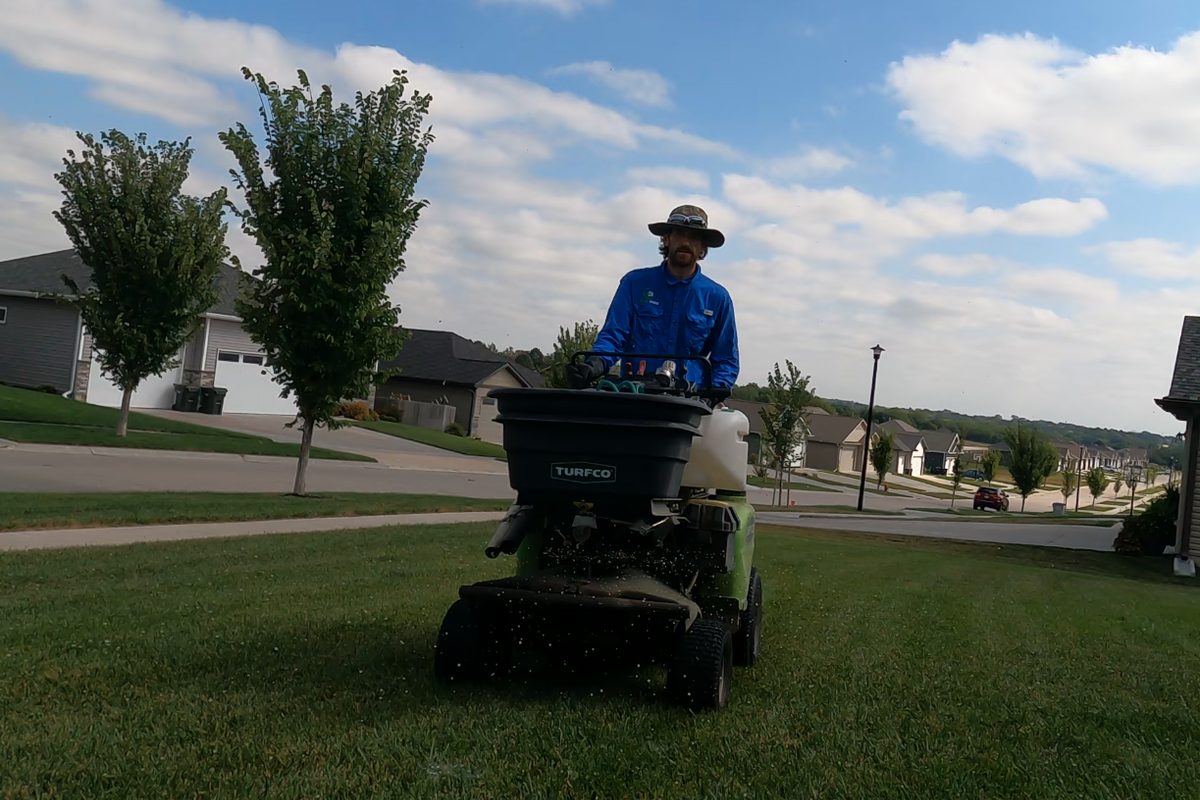
Short Answer: Fall is the most important time of year to fertilize a cool-season lawn in southeastern Nebraska. A fall feeding helps your grass recover from summer stress, thicken up, and store the energy it needs to survive winter and green up fast in spring. Of all the feedings a lawn gets in a year, the fall application does the most lasting good.
The Feeding That Matters Most
If you only fertilize your lawn once a year, fall is the time to do it. That may sound surprising, since spring is when most people think about feeding grass, but for the cool-season lawns we grow here in southeastern Nebraska, the fall feeding is the one that does the most good. It is the application that sets up everything that follows, from how well your lawn handles winter to how quickly and thickly it comes back in spring.
The reason comes down to how our grass grows. Cool-season grasses like Kentucky bluegrass, fescue, and ryegrass do their most important growing in the cooler parts of the year, and fall is when they shift into a critical mode of building strength and storing energy. Feeding the lawn at exactly this moment gives it the fuel it needs when it is best able to use it, which is why fall fertilization is in a class of its own.
Recovering From a Long, Hard Summer
By the time fall arrives, most lawns have been through a lot. The heat, drought, and stress of a Nebraska summer take a real toll, and even a well-cared-for lawn can end the season looking a little tired, thin, or worn in spots. Grass spends the summer largely in survival mode, focused on getting through the heat rather than growing thick and lush.
Fall is when the lawn finally gets some relief. As temperatures cool and the stress lifts, grass wants to recover and rebuild, and a good fall fertilization is what powers that recovery. The nutrients help the lawn repair the damage of summer, fill back in, and regain the density it may have lost. Feeding at this point is like giving your lawn a solid meal right when it is ready to heal and grow again.
Thicker Grass and Stronger Roots
One of the biggest benefits of fall feeding is the way it drives root growth. While the top of the grass slows down as the season cools, the roots keep working, growing deeper and stronger underground. A fall fertilization feeds that root development directly, helping the lawn build the deep, healthy root system that everything else depends on.
Strong roots are what make a lawn resilient. They let grass find water and nutrients, survive stress, and bounce back from tough conditions. A lawn that goes into winter with a well-fed, deep root system is far better equipped to handle the cold and to explode back to life in spring. At the same time, the fall feeding encourages the grass to thicken up on top, and a denser lawn is a healthier one that naturally crowds out weeds.
Storing Energy for Winter and Spring
Perhaps the most important thing a fall feeding does is help the grass store energy. As the lawn heads toward winter, it takes the nutrients it gets in fall and banks them, holding that energy in reserve through the cold months. This stored energy is what carries the lawn through winter and, just as importantly, what fuels its comeback in spring.
This is why fall-fed lawns green up so much earlier and more vigorously in spring than lawns that were not fed. A lawn that went into winter with a full tank of stored energy wakes up ready to grow, greening up fast and coming in thick right from the start of the season. A lawn that entered winter running on empty takes much longer to recover and never looks quite as good. The fall feeding is what makes that spring difference.
Timing and Products Make a Difference
Getting the most out of fall fertilization is not just about putting down any fertilizer at any time. The timing matters, since the feeding needs to reach the grass while it is still actively growing and able to take up and store the nutrients before winter. The product matters too, because the right blend delivers the nutrients the lawn needs in the right form for this time of year.
This is where having the feeding handled by a knowledgeable team pays off. Our crew understands our local grasses, our soils, and how our seasons behave, and we time the fall application and choose the product to give your lawn the biggest benefit. Getting those details right is the difference between a fall feeding that truly transforms a lawn and one that only does part of the job.
An Investment That Pays Off All Year
What makes fall fertilization such a smart move is how far its benefits reach. A single well-timed fall feeding helps your lawn recover from summer, thicken up, build strong roots, survive winter, and come back beautifully in spring. Few things you can do for your lawn deliver that much value from one application, and the results are visible for months afterward.
A lawn is a long-term investment in your property and your enjoyment of it, and fall is one of the key moments to protect that investment. Skipping the fall feeding means sending your lawn into winter weaker than it needs to be and starting spring behind. Taking advantage of it means a healthier, thicker, more resilient lawn that looks better and holds up better all year long.
Why Cool-Season Lawns Are Built for Fall
It helps to understand why fall works so well for our lawns specifically. The grasses that grow best across southeastern Nebraska are cool-season types, which means they are naturally programmed to do their most vigorous growing when temperatures are moderate. Summer is actually the hard season for them, a stretch to be survived rather than a time of thriving. Fall, by contrast, is when these grasses come into their own, growing actively and putting energy into roots and density.
Feeding a lawn works best when it lines up with the grass's own growth cycle, and fall is exactly when that cycle is ramping back up. A feeding delivered during active growth gets used efficiently, fueling real improvement rather than being wasted on grass that cannot take advantage of it. This is the fundamental reason the fall application outperforms feedings at other times of year, and why our team builds the fall feeding into the heart of a good lawn care plan.
What You Will See Next Spring
The reward for a fall feeding is easiest to appreciate when spring arrives. A lawn that was fed in fall comes out of winter already ahead, greening up earlier and filling in thicker than it otherwise would. Instead of watching your lawn slowly recover through the spring, you get grass that is ready to grow the moment the weather warms, looking its best during the season when you most want to enjoy your yard.
That early, thick spring lawn is not luck, it is the direct result of the roots and stored energy a fall feeding built months earlier. Homeowners who feed in fall consistently see the difference the following year, and it is the kind of result that makes the fall application feel less like a chore and more like an investment that pays you back right when the growing season begins.
What to Do Next
If you want your lawn to come through winter strong and green up thick and early next spring, fall fertilization is one of the best things you can do for it, and the window to do it is now. Our team can assess your lawn, choose the right product, and time the feeding so your grass gets the full benefit heading into winter.
Reach out to Yard Boss today to get your lawn on the schedule for its fall feeding. We would be glad to help you build a lawn that recovers from summer, survives winter, and comes back better than ever.